So, picture this: you’re just chilling on the couch, scrolling through your phone, and suddenly, you stumble upon a wild video of a cat solving a Rubik’s Cube. I mean, who knew? But then it hits you—there’s more to the digital world than just cute cats and memes.
Cyber forensic science is like the detective work of the internet. It’s all about cracking cases that are buried in ones and zeros. Imagine being able to trace that sneaky hacker or figure out what really happened during a data breach. Sounds like a movie plot, right? But this stuff is happening every day.
Think about it: we live in an age where your online footprint tells a story. Seriously! Every click and like has its own narrative. Cyber forensics helps piece those narratives together, pulling back the curtain on digital mysteries.
So, let’s take a closer look at what cyber forensic science really is and why it’s become such a big deal in modern investigations. You ready? Let’s jump in!
Comprehensive Digital Forensics Research Papers: A PDF Collection for Scientific Inquiry and Analysis
Digital forensics is like being a detective in the world of technology. Imagine you found a lost phone and wanted to figure out who it belonged to. You’d look at the calls, photos, and messages, right? Well, that’s pretty much what digital forensics does, but on a much grander scale. It takes all sorts of electronic evidence from devices like computers, smartphones, and even cloud services to help solve crimes or disputes.
When it comes to comprehensive digital forensics research papers, these documents serve as a treasure trove of knowledge. They delve deeply into various methods and techniques used to recover data and analyze digital evidence. These papers often detail cutting-edge technologies and tools that forensic experts use in their investigations.
Think about it. Cybercrime has been skyrocketing over the years. Just last year, I read about this case where hackers infiltrated a major corporation’s computers and stole private information from thousands of clients! The investigators relied heavily on digital forensics to trace back the attacker’s steps through digital footprints left behind.
You might ask, what do these research papers usually cover? Well, they can touch on a bunch of topics:
- Data Recovery Techniques: These sections explain how experts retrieve deleted or corrupted files.
- Incident Response: This part focuses on how organizations react when they suspect a cyber incident.
- Legal Aspects: Understanding laws around digital evidence is crucial; researchers discuss this too.
- Emerging Technologies: New gadgets and software are always popping up; staying updated is key for professionals.
- Case Studies: Real-life examples help illustrate methodologies applied in various scenarios.
Forensic scientists often collaborate with law enforcement agencies when tackling significant cyber incidents. Like that time when a group of hackers was traced back through their online gaming accounts because forensic experts linked their IP addresses! It’s kind of thrilling how they connect dots that most people wouldn’t even think twice about.
Additionally, many research papers are available as PDFs online. This makes them super accessible for students or anyone interested in diving into the world of cyber forensic science. You get insights straight from experts in the field without having to hunt around too much!
To wrap things up (not that I’m rushing!), if you’re ever curious about how crimes are solved digitally or just want to geek out over some high-tech processes, those comprehensive digital forensics research papers are where it’s at! They not only provide valuable knowledge but also contribute significantly to our understanding of keeping our digital spaces safe from wrongdoing. And let’s be honest—keeping up with those evolving techniques can feel like playing an endless game of catch-up!
Exploring Digital Forensics Salaries: Insights into Earnings in the Field of Science
Sure! Let’s dig into the world of digital forensics salaries and see what’s going on in this fascinating field.
Digital forensics is like being a detective but for the digital world. You know, it involves collecting, analyzing, and preserving electronic data to solve crimes or other incidents. With all the cybercrimes happening these days, this field has been booming!
Now, about the salaries, it really depends on a bunch of factors. First off, experience plays a big role. So, if you’re just starting out with like a year or two under your belt, you might be looking at around $50,000 to $70,000 annually. Not too shabby for just getting your feet wet!
As you gain more experience—let’s say five years or so—you could see your salary jump to about $80,000 to $100,000. It’s like leveling up in a game! More skills often mean more money.
Now let’s talk about education. Getting a degree in something relevant—like computer science or cybersecurity—can really affect how much you can earn. A bachelor’s degree is often needed for many jobs in this area and can set you up for those juicy mid-level positions.
Some folks even go for advanced degrees or certifications. Things like Certified Information Systems Security Professional (CISSP) or Certified Computer Forensics Technician (CCFT) can bump up your earning potential significantly.
Location matters too! If you’re working in major cities where tech companies are based—think places like San Francisco or New York—you might find yourself earning closer to those upper ranges of salaries because of the high demand there.
Here are some key insights into the various roles within digital forensics:
- Forensic Analyst: They focus on recovering data from devices and often earn between $60,000 to $90,000.
- Incident Responder: These are the emergency responders of cybercrimes and usually make around $70,000 to $110,000.
- Forensic Engineer: A bit more specialized; they might earn from $80,000 to $120,000, given their expertise.
Real talk: I once read about an incident where a forensic analyst cracked a major hacking case that was affecting tons of people online! Imagine diving into heaps of data and pulling out clues that lead right back to the culprits—it sounds thrilling!
Finally, trends show that as we become more reliant on technology and face new threats online daily—the job market is only going to keep growing in this field. If you’re passionate about tech and solving puzzles (like real-life mystery games), digital forensics could be where it’s at both professionally and financially!
So yeah! Whether you’re eyeing that first job or considering climbing the ranks further down the line—it seems digital forensics holds promise not just as a career path but also as an avenue with competitive earnings.
Understanding the Digital Forensics Investigation Process: A Comprehensive Guide to Techniques and Best Practices in Science
Digital forensics is like a detective story but in the digital world. It involves gathering, analyzing, and preserving data from digital devices to uncover what went down in a cyber incident. You know how they say the devil is in the details? Well, in this case, those details are crucial for investigations.
Imagine a crime scene. Detectives collect fingerprints and other evidence carefully to avoid contamination. In digital forensics, it’s kinda like that but with computers and smartphones. The goal here is to get as much information as possible while keeping everything intact.
When someone suspects foul play—like hacking or fraud—the first step is identifying the evidence. This could be anything: emails, text messages, files on a hard drive. Investigators have to be thorough because any missed piece can change the entire story.
Next up is preservation. Once you find evidence, you can’t just toss it around or modify it; that would be like losing fingerprints at a crime scene. Forensic experts use specialized tools to create “forensic images”—essentially exact copies of devices—ensuring that original data remains untouched.
Then comes analysis. Here’s where detectives really dig into the data. They look for patterns and anomalies that might hint at what happened. It’s all about connecting dots! For instance, they might discover an unusual login at 2 AM when no one was supposed to be online—that’s suspicious, right?
After analysis comes reporting. Think of this as compiling a detailed storybook of what was found during the investigation. This report helps law enforcement or legal teams understand what occurred so they can make informed decisions. The clarity of this report is essential; it needs to be easy enough for everyone involved to grasp without getting lost in technical jargon.
So let’s talk about some key techniques used in digital forensics:
You know how people often ignore software updates? Well, outdated software can leave security holes wide open for hackers! Part of best practices involves ensuring everything stays updated and employing strong password policies.
Now here’s another thing: teamwork! Digital forensic investigators often collaborate with legal teams and law enforcement officers throughout the process. This ensures that when it’s time for court appearances or hearings, all parties are on the same page regarding evidence handling.
In some high-profile cases—think large-scale corporate crimes—it’s not uncommon for digital forensic teams to work around-the-clock until every last byte is analyzed! I remember reading about an instance where a team had to sift through terabytes of data after a major hack at a financial institution. Talk about serious dedication!
To wrap things up: Digital forensics plays an instrumental role in modern investigations by using meticulous techniques and following best practices. Whether it’s securing evidence or analyzing digital trails left behind after cybercrimes—these tech-savvy detectives help uncover truths hidden behind screens everywhere!
You know, cyber forensic science is like the detective work for the digital age. I mean, we’ve all heard stories about hackers or online scams, right? Just the other day, I watched this show where a cyber forensic expert cracked a case involving stolen identities. It got me thinking about how much our lives are intertwined with technology and how important this field has become.
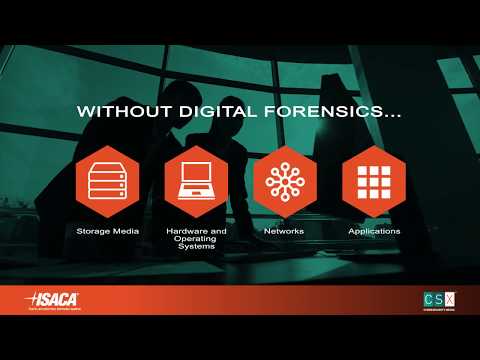
So, here’s the deal: cyber forensic science involves collecting and analyzing digital evidence to solve crimes. Imagine if someone hacks into your email or steals your credit card info—yikes! The stuff that cyber forensics can do is just mind-blowing. These experts dive into computers, smartphones, and even cloud storage to find clues like deleted files or suspicious activity. They kind of have this superpower of pulling information from places where most people wouldn’t even think to look.
I remember one time my cousin’s phone got hacked. She was devastated! But it was so cool seeing how the forensic team pieced together what happened. They traced everything back and not only found out who did it but also stopped them from doing the same thing to others. That’s a real-life superhero moment right there!
And let’s not forget about how significant this is for law enforcement and even businesses. With online threats becoming more common, having skilled cyber forensics folks can make all the difference in protecting sensitive information and holding wrongdoers accountable. It’s like having a digital shield against all kinds of bad behavior.
But there’s also that tricky side—privacy concerns come into play too. People often wonder how far we should go in monitoring online activities in the name of security. Balancing safety with privacy rights is a conversation we need to keep having as technology evolves.
So yeah, whether it’s tracking down cybercriminals or helping recover lost data after a breach, cyber forensic science plays a crucial role in modern investigations. As our world becomes more digital, these experts are basically on the front lines of keeping us safe—and that’s something worth appreciating!