So, picture this: you’re binge-watching your favorite crime show, and suddenly, someone finds a hair strand that cracks the case wide open. You’re like, “Seriously? A single hair?” It’s wild how something so tiny can tell such a huge story.
Forensic science is like that cool detective buddy we all wish we had. You know? The one who takes clues from a crime scene and then, bam! Turns them into solid evidence in the lab. It’s all about connecting the dots—like a high-stakes game of connect-the-dots but with real-life mysteries.
And let’s be real: who doesn’t love a good whodunit? From fingerprints to DNA, forensic science digs deep into the facts. It reveals secrets that help solve crimes and catch bad guys. So buckle up! We’re gonna explore how this fascinating field works its magic behind the scenes.
Exploring Career Opportunities: Becoming a Crime Scene Investigator with a Forensic Science Degree
So, you’re thinking about a career as a crime scene investigator, huh? That’s super intriguing! With a forensic science degree in your pocket, you could find yourself doing some really important work. Let’s break this down.
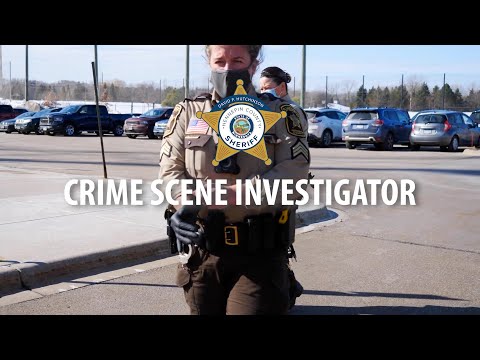
First off, what does a **crime scene investigator (CSI)** do? Well, basically, they’re the folks who show up at crime scenes to gather evidence. It’s not just about wearing cool gloves and taking photos; there’s a lot to it. You’d collect fingerprints, hair samples, and anything else that could help solve the case. And guess what? A degree in **forensic science** is pretty much essential for this role.
Now, what can you expect from studying forensic science? Here’s the thing: it’s not only about learning how to analyze blood or identify unknown substances. You’ll also dive into chemistry, biology, and even some criminal justice courses. Think of it like being part detective and part scientist!
Key areas you’ll typically cover include:
- Crime Scene Processing: Learning how to secure and analyze a crime scene safely.
- Evidence Collection: Understanding the types of evidence and methods for collecting them without contamination.
- Forensic Analysis: Techniques for analyzing DNA, fingerprints, and toxicology.
- Report Writing: Being able to write clear reports that can be used in court.
- Courtroom Testimony: Learning how to present your findings as an expert witness.
But wait—there’s more! Once you’ve got your degree and some experience under your belt, you’ll need to consider where you want to work. Crime labs are common places for CSIs but think beyond that too! Some might work for local or state police departments while others may find opportunities with federal agencies like the FBI or even private companies.
Here’s something cool: beyond traditional roles in law enforcement, forensic scientists can also get involved in things like disaster response or cold case investigations. It opens so many doors!
Seriously though—this line of work can be emotionally tough at times. You might face grim situations when collecting evidence from crime scenes. I remember talking with someone who described their first big scene—it was overwhelming how much responsibility they felt to honor the lives affected by crime while trying to piece together what happened.
Also, let’s not forget about continuing education! This field is always evolving with new technologies and methods popping up all the time. So staying sharp is key if you want to remain effective at what you do.
If you’re curious about possible salary expectations—CSIs can earn decent pay depending on their experience and location. Many start off modestly but with time could make their way up into six-figure salaries.
In summary: if you’re considering becoming a crime scene investigator through a forensic science degree—it’ll take hard work but offers an incredible chance to make a real difference in society by solving crimes and providing closure for victims’ families.
Comparative Salary Insights: CSI vs. Forensic Scientist in the Field of Forensic Science
So, you’re curious about the money scene in forensic science, especially when we pit Crime Scene Investigators (CSIs) against forensic scientists, huh? Let’s break it down in a way that’s easy to digest.
First off, both roles are super important in solving crimes. CSIs are often the first ones on the scene. They collect evidence and make sure everything is documented properly. They’re like detectives in sneakers! Now, forensic scientists come later. They analyze that evidence in a lab setting. Think of them as the brainiacs who turn clues into concrete evidence.
Now let’s talk salaries. The numbers can change depending on where you are and your level of experience, but here’s a general idea:
- Crime Scene Investigators: On average, CSIs make around $50,000 to $70,000 a year.
- Forensic Scientists: They tend to earn a bit more, generally between $60,000 and $80,000 annually.
Why the difference? Well, it often comes down to education and specialization. CSIs might need an associate degree or some on-the-job training while forensic scientists usually have at least a bachelor’s degree or more in fields like biology or chemistry.
Another thing to consider is the type of work environment. CSIs often work shifts that involve nights and weekends—crime never takes a break! On the flip side, forensic scientists usually enjoy more standard hours in a lab setting. It can be less dramatic than what you’d see in crime shows (thankfully—who needs that much drama every day?).
But hey, money isn’t everything! There are emotional factors to think about too. Helping solve crimes can be incredibly rewarding for both careers. I remember watching my friend work as a CSI; he was super passionate about bringing justice to victims and their families. That kind of motivation can make long hours feel worthwhile.
And let’s not forget job growth! Both fields are projected to see steady demand thanks to advances in technology and increased crime-solving capabilities.
So yeah, if you’re weighing your options between being a CSI or diving deep into forensic science as a lab guru, consider what excites you more—working out in the field or peering through microscopes? Either way, you’re diving into an adventure that can really impact lives!
The CSI Effect: Transforming Forensic Science and Its Impact on Scientific Perception
The CSI Effect is a term that’s been floating around for a while, and it basically refers to how TV shows, especially crime dramas like “CSI: Crime Scene Investigation,” influence the public’s view of forensic science. You see, these shows often present forensic techniques in a really glamorous and almost magical way. It can make you think that solving crimes is just a matter of waving a fancy gadget around and—boom!—you’ve got your culprit. But the reality is pretty different.
Forensic science is actually super complex. It combines elements from various fields like biology, chemistry, and even computer science. So when you’re watching those shows, they make it seem easy to get results from fingerprint analysis or DNA testing in mere minutes. In real life, though? It takes time—often weeks or months—to gather reliable evidence.
The CSI Effect has shifted people’s expectations in some surprising ways. Many jurors now expect forensic evidence to be presented at trials—even if it’s not relevant to the case! This can lead to pressure on law enforcement and forensic teams to over-rely on tech that might not always be available or applicable.
A lot of folks might feel all pumped about forensic science because of these shows. I remember chatting with a friend who was so enthusiastic after binge-watching “CSI.” She thought she could totally help solve crimes because she had picked up so much info from the series! But then I had to break it to her that real-life crime scene investigation involves procedures, protocols, and sometimes frustrating delays.
Another big impact of the CSI Effect is on education. Schools have started noticing more students wanting to study forensic science simply because it looks cool on TV. This increased interest can be great for filling programs but also raises questions about what students really understand about the field.
Some argue that this effect has made people skeptical of other forms of evidence too—like witness testimonies or circumstantial evidence—because they might think they need flashy DNA results for a case to be solid. It’s kind of like being fed candy all day; after a while, you start believing that everything should taste just as sweet!
In summary, while forensic science is an essential tool in solving crimes, the portrayal on TV can warp our understanding of its limitations and challenges. The next time you watch an episode filled with high-tech labs and lightning-fast results, remember: real forensic work can be slow, meticulous, and not nearly as glamorous!
Forensic science, wow, it’s like the coolest blend of detective work and science, right? You probably know that it’s all about solving crimes using evidence. But let me tell you a little story first.
A friend of mine, Sarah, once watched a crime documentary that absolutely hooked her. She was amazed by how they could take tiny bits of evidence—a drop of blood or a stray hair—and link it to a suspect miles away. I mean, how nuts is that? She decided then and there she wanted to become a forensic scientist.
So here’s the thing: forensic science isn’t just about wearing cool lab coats and running tests. It starts way before that, like at the crime scene itself. Imagine you’re at a place where something bad went down. The chaos, the emotions; it’s heavy stuff. But here come the forensic experts, armed with their kits and sharp eyes ready to sift through every little detail. They collect fingerprints and trace evidence like they’re gathering puzzle pieces for a giant mystery.
Once they gather what they need, they whisk it off to the lab—this magical place where all sorts of weird and wonderful tests happen! From DNA analysis to toxicology screens, scientists work tirelessly behind those lab doors trying to connect dots no one knew existed.
And here’s where it gets even more interesting: sometimes what happens in the lab can contradict initial impressions from the crime scene! Like those “first instincts” we often rely on? Well, scientific findings can take us down unexpected paths.
Sarah learned firsthand about this duality during her internship last summer. She was elbow-deep in blood spatter analysis one day when she found out that everything she thought she knew about a specific case shifted thanks to lab results! That moment solidified her passion; it was proof that science could uncover truths beyond emotions or assumptions.
What really gets me though is how all these processes finally come together in courtrooms. It’s not just numbers on paper; it’s real lives at stake! Think of all those who might feel relief or heartbreak based on what forensic scientists find (or don’t find). It’s powerful stuff.
So yeah, forensic science kind of bridges this wild gap between chaotic crime scenes and cold lab results—making sense of what seems senseless. When you think about it deeply enough, it’s almost poetic; knowledge connecting dots where there was once darkness and despair. And honestly? It’s pretty thrilling to think that perhaps one day you could be part of solving such mysteries too!