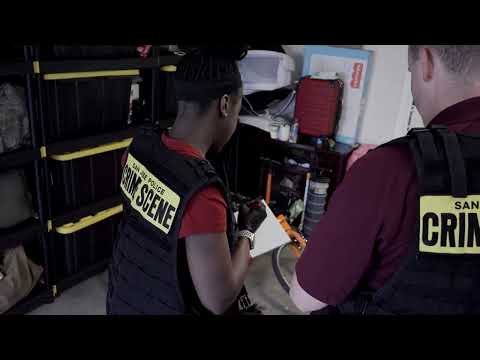
So, picture this: you’re binge-watching your favorite crime show. The detective’s trying to solve a murder case, and suddenly, they bring in a forensic expert. They swirl some powder on a surface, and boom! They pull out fingerprints like magic. You’re like, “Whoa, how did they do that?”
Well, that’s the world of forensic science for you! It’s not all glamour or Hollywood drama, though. These specialists are real-life problem-solvers who play a super important role in the justice system. They sift through evidence like it’s treasure hunting, helping police connect dots and catch bad guys.
And let me tell you—there’s way more to it than just dusting for prints or analyzing blood samples. It’s about meticulous detail and uncovering truths hidden beneath the surface. So come on this journey with me as we unravel what forensic science is all about!
The Critical Role of Forensic Scientists in the Justice System: Enhancing Scientific Integrity and Criminal Investigations
Forensic scientists are like the detectives of the science world. They play a critical role in the justice system, providing the evidence that can make or break a case. You know, it’s not just about solving mysteries; it’s about enhancing scientific integrity and ensuring the right people are held accountable. So, let’s chat about what they actually do.
First off, forensic scientists collect and analyze evidence from crime scenes. This isn’t just picking up stuff and shoving it into a bag. They’re trained to look for things like fingerprints, blood samples, and even tiny fibers that could tell a story. Each piece of evidence is like a puzzle piece, fitting into the bigger picture of what really happened.
What happens next? Well, they use various scientific techniques to analyze this evidence. For example:
- DNA analysis: This is one of the most powerful tools they have. A single drop of blood can identify a suspect or exonerate an innocent person.
- Toxicology: Forensic toxicologists check for drugs or poisons in body fluids. Imagine helping to find out whether someone was murdered using something sneaky!
- Ballistics: If a gun’s been fired at a crime scene, ballistics experts can match bullets to firearms, which is pretty mind-blowing.
These analyses support law enforcement in building solid cases based on facts rather than hunches. But there’s more! Forensic scientists also play a huge role during trials. They present their findings in court and explain complex scientific concepts in ways that everyone can get—yes, even to folks who aren’t super into science (like me sometimes!).
But here’s where it gets really important: scientific integrity. With their expertise, forensic scientists help prevent wrongful convictions by ensuring that only reliable evidence is admitted into courts. You don’t want someone going down for something they didn’t do because of faulty science or mistakes made by investigators.
And let me tell you about an emotional side of this work: imagine being able to give closure to families who’ve lost loved ones due to crimes. The personal stories behind these cases can be heavy but incredibly motivating for forensic scientists—they don’t just see numbers and reports; they see lives affected by crime.
So yeah, forensic scientists are essential for maintaining justice in society! Their work helps ensure that if someone’s found guilty beyond reasonable doubt, it’s not just guesswork—it’s science at its best making things right!
The Integral Role of Forensic Science in Shaping Criminal Justice Outcomes
Forensic science, huh? It’s a pretty wild field that blends biology, chemistry, and even physics to help solve crimes. You ever watch those crime shows on TV, where they catch the bad guy with just a tiny hair or a drop of blood? Well, that’s the magic of forensic science at work! But there’s so much more to it than what we see on screen.
Forensic Science Specialists play a crucial role in shaping outcomes in criminal justice. They collect evidence from crime scenes and analyze it to build cases against suspects. It’s not just about catching criminals; it’s about ensuring justice is served—like making sure innocent people aren’t wrongly accused. Imagine being stuck in prison for something you didn’t do because of faulty evidence! That kind of situation makes you realize how vital their work is.
Here are some areas where forensic science shines:
- Crime Scene Investigation: Forensic specialists are often the first on the scene after a crime has taken place. They meticulously collect physical evidence like fingerprints, hair, fibers, and even trace amounts of substances.
- DNA Analysis: Probably one of the coolest things forensic scientists do! DNA can uniquely identify individuals. If there’s blood or saliva at a crime scene, it can lead to finding out who was there.
- Ballistics: This involves analyzing firearms and ammunition used in crimes. By examining bullet casings or projectiles, experts can often tell what kind of gun was used and sometimes even link it back to previous crimes!
- Toxicology: If someone dies under suspicious circumstances, toxicologists look for poisons or drugs in their system. Knowing this can completely change the narrative around a case.
- Digital Forensics: With so much happening online today, digital forensics is massive! Experts recover data from computers and mobile devices to find evidence that might be critical in solving cases.
Think about it: every piece of evidence tells a story. Forensic scientists connect those dots. When I was studying this field back in college, I remember visiting an actual crime lab once. Walking through all those different rooms filled with equipment felt surreal! Each room had specialists focusing on different types of analysis—it was like stepping into the future.
Now let’s talk about how all this ties into criminal justice outcomes. The information gathered from forensic analyses helps police officers make arrests based on solid proof rather than mere suspicion or hearsay. And when cases go to trial? Expert witnesses come in to explain the science behind their findings clearly—making complicated stuff easier for everyone involved.
However, things aren’t always perfect in this world—sometimes mistakes happen! Faulty techniques or contamination of evidence can lead to wrongful convictions or acquittals. That’s why ongoing training and advancements in forensic methods are crucial; they help maintain standards that everyone can trust.
In summary, forensic science isn’t just about glitzy labs and flashy gadgets; it’s really about people seeking justice through careful investigation and analysis. When done right, it holds the power to tip the scales toward truth—allowing us all to feel just a bit safer knowing skilled specialists are working behind the scenes every day!
Exploring the 7 Pioneering Contributions Shaping Forensic Science Today
Forensic science is like the ultimate detective work, where science meets the law to figure out what really happens in crimes. Let’s take a closer look at some contributions that are shaping this field today, along with the folks who work hard in it.
1. DNA Analysis
DNA evidence has transformed forensic science. It’s not just about fingerprints anymore; scientists can analyze tiny samples of skin, hair, or blood to match a suspect’s DNA. Imagine finding a single hair at a crime scene and using it to link someone directly to it. It’s pretty powerful stuff.
2. Digital Forensics
With technology ruling our lives, digital forensics has become super important. Specialists can recover deleted files from computers or analyze data from smartphones. Remember that time you lost your phone? Well, those data geeks can sometimes retrieve texts, photos, and even chats—even if you think they’re gone for good!
3. Toxicology
Toxicologists play a crucial role too. They study bodily fluids and tissues to find out if substances like drugs or poisons played a part in a death or crime. It’s kind of like being a detective but with chemistry! One time, they found traces of poison in someone’s blood that led them straight to the suspect—it made all the difference in that case.
4. Ballistics
Ballistics experts look at firearms and ammunition used in crimes. They examine bullets and shell casings to determine if a particular gun was used in an incident—think of it as matching fingerprints but for bullets! This can often lead investigators back to the shooter without anyone even realizing it until later.
5. Pathology
Forensic pathologists are doctors who specialize in figuring out how someone died. They conduct autopsies and provide vital details on cause of death—accident, homicide, or natural causes? Their insights can completely change the direction of an investigation.
6. Anthropology
When skeletal remains are found, forensic anthropologists step into action! They help identify bones and determine things like age, sex, and even ancestry of victims based on skeletal features—like real-life CSI actors making sense of skeletons!
7. Behavioral Analysis
Last but definitely not least is behavioral analysis! Experts study patterns in criminal behavior trying to get inside the mind of offenders—what makes them tick? This helps law enforcement develop profiles that guide investigations and catch criminals before they strike again.
So these pioneering contributions shape how justice is served today in really crucial ways—you see how vital forensic specialists are as they piece together evidence like jigsaw puzzles? Understanding their roles helps us appreciate just how complex (and fascinating!) our justice system really is!
So, let’s chat about forensic science specialists. You know, those folks who seem to pop up everywhere in crime shows? They’re like the superheroes of the justice system—they’re often the ones piecing together mysteries that would otherwise go unsolved.
I remember this one time at a family gathering, my cousin started sharing a story about a cold case in our hometown. It had been sitting around for years, gathering dust, until a team of forensic experts came in and totally changed the game. They re-examined old evidence with updated techniques and managed to find new leads that had everyone buzzing with excitement. It made me realize just how crucial these specialists are in making sure justice doesn’t slip through the cracks.
Forensic science is super broad, ranging from DNA analysis to fingerprinting and even ballistics. Each area has its whizzes—people who live and breathe their work just to ensure that every detail is taken into account. It’s not just about solving crimes; it’s also about putting together a narrative that tells us what really happened. And let’s be real, sometimes someone’s whole life can hinge on this information.
Imagine being wrongly accused because of inadequate evidence or outdated methods—it must be terrifying! Forensic scientists help bring clarity to chaos; they check facts, run tests, and offer expert testimony in court. Their role is essential when jury members need to decide whether someone is guilty or innocent based on solid data instead of just gut feelings or flawed assumptions.
But here’s where it gets tricky: the pressure can be intense! You know? I mean, think about it—what if they make an error? The stakes are sky-high! One tiny mistake can derail cases and even impact lives for years to come.
In all this seriousness, there are moments filled with humanity too. When forensic experts step into the courtroom and share their findings, they don’t just present numbers; they tell stories—stories of victims and their families who deserve closure. It’s an emotional dance between science and justice that holds power beyond what we might initially think.
At the end of the day, forensic science specialists bridge the gap between mystery and resolution. They don’t wear capes or wield fancy gadgets like you see on TV; instead, they bring expertise and diligence that shape our understanding of justice in such profound ways.