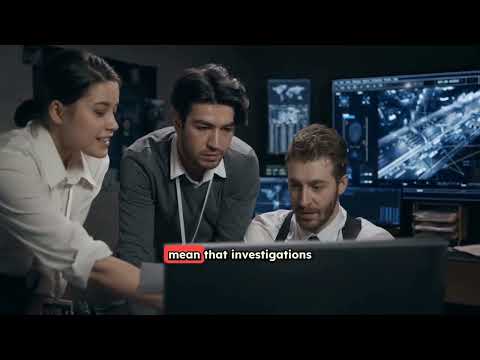
Okay, so picture this: you’re binge-watching a true crime show, right? Suddenly, they pull out a magical gadget that reveals hidden fingerprints like some futuristic superhero tool. And you’re thinking, “Wait, how do they even do that?”
Well, welcome to the world of criminal forensics! It’s like something out of a sci-fi movie, but it’s totally real and super fascinating. You know those small details that make or break a case? Yeah, that’s all thanks to the science behind forensics.
It’s not just about catching the bad guys; it’s about understanding the science that makes it happen. From DNA analysis to ballistics—every bit is grounded in solid research. And trust me, it’s way more thrilling than any TV drama! So buckle up; we’re diving into some seriously cool advancements in forensics.
Exploring the Latest Advancements in Forensics: Innovations Transforming the Field of Science
Forensics has really come a long way, hasn’t it? Remember those old crime shows where they solved everything with just a magnifying glass? Well, today’s advancements are way more sophisticated and definitely cooler. Let’s take a look at some of the latest innovations transforming this fascinating field.
DNA Analysis is probably one of the biggest game changers. With newer techniques like next-generation sequencing, scientists can now analyze DNA faster and with greater accuracy. This means they can pull information from smaller samples than ever before. Imagine being able to identify a suspect from just a tiny drop of blood! It’s like uncovering secrets hidden in plain sight.
Another exciting area is digital forensics. As we dive deeper into the digital age, understanding data from phones, computers, and even cloud storage has become crucial. Experts can recover deleted files or trace online activities to pinpoint suspects or even victims. It brings a whole new layer to investigations when you think about how much information we store digitally nowadays.
And then there’s forensic entomology. This one might sound a bit creepy but hear me out. It’s the study of insects in relation to criminal investigations. When someone dies, insects are usually among the first to arrive on the scene. By examining these critters, forensic experts can estimate the time of death based on which bugs are present and how developed they are. Isn’t that wild?
There’s also been big progress in ballistics analysis. New technologies allow experts to analyze bullet trajectories with incredible precision. Using 3D imaging and computer simulations, they can recreate shooting scenarios that help establish timelines or clarify what happened during an incident—kind of like putting together pieces of an intricate puzzle!
Don’t forget about toxicology. With advances in analytical chemistry, scientists can now detect drugs and poisons with higher sensitivity. So if there’s any suspicion that substances played a role in a crime, they can identify not just what was used but also trace its effects on victims or suspects.
While all these scientific advancements are super cool and impressive, they come with significant ethical responsibilities. Each innovation must be handled carefully to ensure justice is served appropriately—that means protecting people’s rights while using technology effectively.
All in all, forensics is evolving rapidly thanks to these advancements. They’re opening up new possibilities for solving cases that might have once seemed impossible or unsolvable! It’s thrilling when you think about what comes next—imagine what future technologies will bring into play!
Exploring Major Breakthroughs in Forensic Science: The Most Significant Advancements and Their Impact
Exploring advancements in forensic science is like uncovering a treasure chest of mysteries waiting to be solved. Seriously, the field has evolved so much, and these breakthroughs have had a huge impact on criminal investigations. Let’s break down some of the most significant advancements.
DNA Analysis is probably the biggest game changer. Back in the 1980s, scientists figured out how to analyze DNA from blood, hair, or even skin cells left at crime scenes. Imagine finding that small clue and being able to link it directly to a suspect! This method not only helps solve old cold cases but also exonerates people who were wrongfully convicted. It’s powerful stuff.
Another cool breakthrough is Digital Forensics. With our lives becoming more digital by the day, this field has ballooned. Investigators now can recover deleted files, track online activity, and even pull data from smartphones. You know those crime dramas where they quickly find a suspect’s last texts? Well, it usually incorporates some serious forensic tech behind the scenes.
Then there’s Forensic Anthropology, which is essential when identifying human remains. Experts examine bones to determine age, sex, and ancestry. There was this one case where a forensic anthropologist helped identify victims from mass graves in Central America. Just thinking about giving families closure makes this work incredibly meaningful.
Also worth mentioning is Ballistics Analysis. This technique looks at bullets and shell casings to trace them back to specific firearms. It’s like finding fingerprints on a bullet! A notable case involved matching bullets from multiple crime scenes back to one weapon—helping authorities catch a serial shooter.
Fingerprint Analysis has always been huge too! New technologies enhance traditional methods, allowing even minuscule prints to be analyzed more accurately than before. I once read about how advanced algorithms could compare hundreds of thousands of prints in seconds—a big leap compared to manual checks!
Lastly, let’s not forget Toxicology. It’s not just about determining if someone was drunk or high; modern toxicology can detect an array of substances in different body fluids—even months after someone passed away! In one infamous case, this helped nail down what happened during an unexplained death.
To wrap it up, each of these advancements plays a pivotal role in shaping today’s criminal investigations. They’re like pieces of a puzzle that fit together beautifully when trying to solve complex cases—or give justice where it was due long ago! So yeah, following these breakthroughs definitely keeps you engaged with how science battles crime every day!
Exploring Advanced Technologies Revolutionizing Forensic Science
Sure! Let’s talk about some cool stuff happening in forensic science these days. You know, the things that help solve crimes and bring justice? Well, **advanced technologies** are shaking things up in a big way.
DNA Analysis has come a long way. Remember when DNA evidence was like the golden ticket in crime shows? Well, now it’s even better! Scientists can analyze tiny samples of DNA from places like skin cells or hair strands. Seriously, it’s like finding a needle in a haystack! This means that even if someone made a quick getaway from a crime scene, investigators might still catch them based on leftover DNA.
Then there’s Forensic Imaging. This tech is straight out of a sci-fi movie! Techniques like 3D scanning let professionals create super detailed digital models of crime scenes or even skeletal remains. Imagine being able to walk through a virtual crime scene before even stepping foot there! It helps detectives visualize everything way better and make sense of the chaos.
Now let’s chat about Digital Forensics. With all that data floating around in our devices today, forensic experts have become kinda like digital detectives. They can dig through computers or smartphones to find crucial evidence—like messages or photos—that can crack cases wide open. Just think about all the info we store on our phones. If someone is hiding something, chances are their device is talking!
Don’t overlook Microbial Forensics, either! Yes, you heard me right—microbes! These little critters can tell lots of stories. They live everywhere and can help pinpoint where someone has been based on environmental samples collected at crime scenes. If you find traces of specific bacteria or fungi not native to the area where the crime occurred, well—surprise! It could show that someone traveled there recently.
Another exciting area is Ballistics Technology. Gun crimes can leave behind some tricky puzzles, but advancements here have made it easier to match bullets to specific firearms than ever before. By using imaging techniques and databases that store unique markings left on bullets when they’re fired, forensic teams get clues about who pulled the trigger.
And what about Artificial Intelligence (AI)? Yup, AI is making waves too. Algorithms can analyze massive amounts of data really fast—like matching facial recognition software with security footage from nearby areas during an event. It sounds almost magical how quickly this tech works to connect dots for investigators!
So yeah, all these advancements are seriously revolutionizing how law enforcement solves crimes today. The blend of science and technology not only makes investigations more precise but also gives people more confidence that justice will be served.
In summary:
- DNA Analysis
- Forensic Imaging
- Digital Forensics
- Microbial Forensics
- Ballistics Technology
Each piece fits into an intricate puzzle aimed at exposing truths—hopefully making the world just a little safer for everyone out there!
You know, when you watch those crime shows on TV, it’s easy to get swept up in the drama. But the truth behind criminal forensics is way cooler and way more complex than what Hollywood shows. Like, think about the last time you saw a detective find a clue that cracked the case wide open. There’s so much real science at play there!
Let’s take DNA analysis, for instance. It’s wild to think how just a tiny scrap of hair or a drop of blood can link someone to a crime scene. Seriously! Each person’s DNA is unique—like a biological fingerprint. When forensic scientists analyze it, they’re matching specific markers to identify suspects or victims. This method has revolutionized investigations and has helped exonerate numerous wrongfully convicted individuals too.
I remember this story about a man who spent over 20 years in prison for a crime he didn’t commit. His case was reopened when new DNA technology emerged, and guess what? They linked the evidence from his case to the actual perpetrator! Can you imagine that feeling? Getting your life back because of science? It’s both heartwarming and heartbreaking.
Then there’s fingerprint analysis, which has been around for ages but is evolving all the time! While similar in concept, today’s methods are way more sophisticated than just dusting off surfaces with powder. We use advanced imaging techniques now that capture those swirls and ridges like never before. Every finger tells its own story—how crazy is that?
And let’s not forget about digital forensics! In our tech-driven world, smartphones and computers hold so much evidence—texts, emails, even deleted files can sometimes be pulled back from the digital abyss. It’s incredible how something as simple as data recovery—a process that feels somewhat magical—can make or break a case.
But with all these advancements comes responsibility, right? The science behind forensics must be solid because lives hang in the balance. If forensic evidence is mishandled or misinterpreted—even accidentally—it could lead to disastrous consequences.
When you think about it all together—DNA testing, fingerprints evolving into high-tech scans, plus taking advantage of our digital footprints—there’s this beautiful merging of science and justice happening here. So next time you’re binge-watching that crime series or flipping through articles about thrilling detective work, remember: it’s not just fiction; it’s real-life science at work making sure justice gets served!