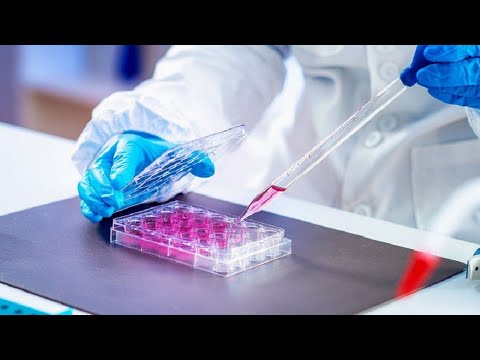
So, picture this: You’re sitting with your friends at a café, and someone suddenly brings up stem cells. You know, that magical stuff they say can turn into anything? Someone takes a sip of coffee and says, “I read somewhere they can even grow new organs!” Everyone stares in awe.
Seriously though, stem cell research is like the superhero of science. These little guys have the potential to revolutionize medicine and maybe even change how we think about aging. But what’s all the fuss about?
Well, let me break it down for you. Innovations in this field are popping up faster than new coffee flavors at your local shop. From curing diseases to regenerating tissues—it’s wild what’s happening right now!
And here’s the kicker: it’s not just about science. This stuff has real implications for our society. I mean, think of all the lives that could be saved or improved! So buckle up; we’re diving into some serious breakthroughs and their impact on us all!
Comprehensive Overview of Stem Cell Research: Access the Latest Findings in Our PDF Guide
Stem cell research is one of those areas of science that gets people talking. It’s like a big puzzle that scientists are trying to piece together, and honestly, it’s pretty exciting stuff. So what are stem cells? Basically, they’re like little superheroes in your body. They have the ability to turn into different kinds of cells. This means they can help repair tissues or even replace damaged organs. Can you imagine the potential?
But wait, it gets more complex. There are two main types of stem cells: **embryonic** and **adult**. Embryonic stem cells come from early-stage embryos and can become any cell type in your body—super flexible! On the other hand, adult stem cells are found in various tissues and usually have a more specific role, like rebuilding blood or skin cells.
Now let’s talk about why this matters in real life. Imagine you or someone you know has a disease that affects the heart or spine. Stem cells could potentially help regenerate damaged areas, leading to healing that we previously only dreamed about! For instance:
- Cardiac issues: Researchers are looking into using stem cells to repair heart muscles after a heart attack.
- Nerve damage: Stem cells might help those with spinal cord injuries recover function.
- Blood disorders: They can be used to treat conditions like leukemia by regenerating bone marrow.
What’s also interesting is how this research intersects with ethics and society. When people hear “stem cells,” they often think of controversial embryonic sources. There’s a lot of debate around this, mainly because it raises questions about when life begins and what it means for medical advancements.
A while back, I remember reading about a young boy who had severe burns over much of his body. Thanks to advances in stem cell treatments, he received grafts made from his own skin cells that were grown in the lab! Watching him recover was incredible—it really drove home how groundbreaking this research could be for healing.
The **latest findings** in stem cell research keep building on this foundation too. Scientists are figuring out ways to reprogram adult cells into induced pluripotent stem (iPS) cells which could solve some ethical issues since these come from adult tissue rather than embryos. It’s like giving regular old pizza dough the magic touch to become gourmet!
So where do we go from here? While there’s plenty of hope surrounding these therapies, there’s still a way to go before they become everyday treatments for everyone who needs them. More studies are needed to ensure they’re effective and safe.
In short, stem cell research paints an exciting picture for the future of medicine but it’s not without its bumps along the road, you know? As scientists dig deeper into these mysteries, we’ll hopefully unlock even more ways they can assist human health while navigating the societal implications with care!
Exploring Recent Advances in Stem Cell Research: Breakthroughs and Future Implications in Science
So, stem cells, right? They’re like the superheroes of the cell world. These nifty little guys can turn into pretty much any type of cell in our bodies. Think about it—muscle cells, nerve cells, skin cells—you name it! Recent advances in stem cell research have been kind of like unlocking a treasure chest of possibilities for medicine.
One major breakthrough is the development of **induced pluripotent stem cells (iPSCs)**. These are adult cells that scientists have figured out how to reprogram to be like embryonic stem cells. Isn’t that wild? Instead of taking cells from embryos—which can be a huge ethical debate—researchers can now take skin or blood cells and transform them into something magical. This not only opens doors for studying diseases but also for personalized medicine, where treatments can be tailored just for you!
You might be asking yourself, why should I care about this? Well, let me tell you a story. A close friend of mine battled leukemia and went through tons of treatments that were super hard on his body. If iPSCs had gotten more attention back then, maybe he could’ve had access to experimental therapies that could help regenerate healthy blood-forming cells. It’s heart-wrenching to think about these missed opportunities.
Now, let’s talk about regenerative medicine because this is where the magic happens! When it comes to repairing damaged tissues or organs—like heart tissues after a heart attack or spinal cord injuries—stem cell therapy has shown promise. For example, researchers are working on using stem cells to regenerate nerve tissue in people with spinal cord injuries so they might regain mobility one day.
Another exciting area is the use of stem cells in treating degenerative diseases like Alzheimer’s and Parkinson’s. Imagine being able to replace damaged brain cells with healthy ones! It sounds like science fiction but seriously, scientists are making strides here too.
But hold up—there’s a flip side as well. With great power comes great responsibility, right? There are ethical concerns surrounding stem cell research that need addressing. Balancing innovation with ethical considerations is critical since we’re often dealing with sensitive issues around life and health.
Looking ahead, the future implications of this research could reshape not just how we treat diseases but also how we think about health care overall. We could see an era where diseases aren’t just managed but genuinely cured thanks to breakthroughs in regenerative therapies.
In summary, exploring these recent advances shows us that **the potential impact** on society from stem cell research could be monumental—from treating chronic illnesses to repairing damaged organs and beyond. And who knows what else will come out from this exciting field? Keep an eye on it because it’s going places!
Advancements in Stem Cell Therapy: Comprehensive Insights from Current Research
So, let’s talk about stem cell therapy. It’s one of those areas in medicine that’s kind of like the wild west—full of potential and some serious hope, but also a bit chaotic. Stem cells are basically like the starting blocks for building all the different types of cells in our body. They’re unique because they can turn into many different kinds of cells, which is super useful when it comes to healing.
Imagine you’ve got a friend who’s really good at puzzles. They can pick any piece and fit it into just about any spot in the puzzle. That’s how stem cells work! They can help repair or replace damaged tissues in your body. The cool part is, researchers are getting pretty clever about how they use these little powerhouses.
One big advancement is in induced pluripotent stem cells (iPSCs). These are normal adult cells that scientists have transformed back into a stem cell state. It’s like giving them a time machine! With iPSCs, you can create patient-specific cells for research or therapy without risking rejection from the immune system. Pretty neat, huh?
Now let me throw some examples your way: researchers are looking at using stem cells for conditions like Parkinson’s disease, heart disease, and spinal cord injuries. Imagine one day being able to regenerate damaged nerves or even restore lost movement after an injury—sounds like science fiction, but it’s closer than we think!
There’s also been chatter about using umbilical cord blood as a source for stem cells which could be less controversial than other methods. The rationale behind this is simple; it’s readily available at birth and doesn’t have ethical complications linked to it.
But with all this hope comes some challenges too—like making sure the therapies are safe and effective before we roll them out to everyone. Researchers constantly battle with issues such as tumor formation from improperly managed stem cell growth or immune responses that might not go as planned.
Societally speaking, there’s this huge conversation around access and ethics as well. Who gets these treatments first? And what happens if they become super expensive? It raises questions about fairness in medical advances—because ideally shouldn’t everyone have access to this potential miracle?
In conclusion (not trying to wrap things up too neatly here), while there are major strides being made in stem cell therapies, we’re still figuring out how best to integrate these innovations into our healthcare systems without leaving people behind. The journey is just as fascinating as the destination!
Stem cell research is one of those topics that just gets people talking, you know? It’s like, on one hand, you’ve got this incredible potential for healing and regeneration, and on the other, there are so many ethical questions swirling around it. I mean, think about it! Just the idea that we could potentially grow new organs or cure diseases from a few cells is mind-blowing.
I remember once chatting with a friend who struggled with diabetes. He opened up about how daily life is such a challenge—counting carbs, managing insulin shots, the whole nine yards. When we started discussing stem cells, his eyes lit up. The thought of a treatment that could regenerate insulin-producing cells in his pancreas made him feel hopeful. It’s moments like these that really underline why this research matters to real people.
But here’s where things get complicated. Stem cell therapies aren’t just straightforward magic. There are so many types: embryonic stem cells, which can morph into any cell type; adult stem cells, which have more limited capabilities; and even induced pluripotent stem cells—those are adult cells reprogrammed to behave like embryonic ones! Each comes with its own challenges and controversies.
You see, when scientists talk about innovations in this field, they’re not only working on cool lab techniques but also navigating public concerns about ethics and safety. Like, some folks worry about where these cells come from or what potential side effects might arise years down the line. And it’s valid! You don’t want to rush into something without knowing the full story.
What gets me really excited about where society fits into all this is how researchers are constantly looking for ways to engage the public. They’re realizing that talking openly about their work can build trust and spark interest in science—a two-way street! By doing this, they’re not just scientists holed up in labs; they’re part of a conversation that affects everyone.
At the end of the day, innovations in stem cell research could reshape our understanding of health and medicine in ways we can’t yet fully grasp. Imagine being able to treat diseases that are currently deemed incurable! That gives me chills—and hope too. But while this journey unfolds, balancing scientific progress with societal values will be crucial. It’s pretty clear: we all have a stake in what happens next!