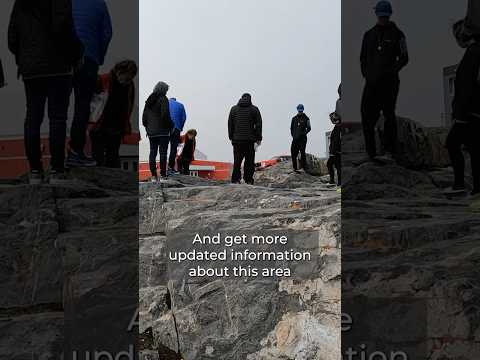
You know what’s cool? Rocks! Yep, rocks. I mean, they might not seem super exciting at first glance, but think about it: every time you pick up a stone, there’s like a whole story behind it. Seriously!
One time, I was hiking and stumbled upon this funky-looking rock. Turns out it was a fossilized piece of coral from millions of years ago. Mind blown, right? That’s geology for you—sneaky little chunks of history hiding under our feet.
Now, imagine combining that wonder with the power of community. Picture gatherings where people chat about the epic landscapes around them or get their hands dirty digging up cool geological finds. It’s like mixing science with a fun block party!
We’re gonna explore how engaging with geology can spark curiosity and build connections within communities. So grab your favorite snack, and let’s rock this!
Exploring the Intersection of Geology and Science: Understanding Earth’s Processes and Their Impact
Alright, let’s chat about geology and how it intersects with science in a way that’s super interesting and relevant to our lives. You might not think about it often, but geology is all about the Earth’s processes and how they shape everything around us. So, what’s the deal?
Geology studies the solid Earth, its materials, and how it changes over time. Imagine standing on a beach. The sand beneath your feet? That’s made up of tiny bits of rock that have weathered down over thousands of years. Crazy to think about, right?
The processes involved in geology, like erosion, volcanic activity, and plate tectonics, are kind of like nature’s own little players in a massive game. They influence landscapes, create natural resources, and even affect climate patterns.
- Erosion: This is when wind or water slowly wears away rocks and soil—think of it like a sculptor chiseling away at marble.
- Volcanic Activity: When volcanoes erupt, they don’t just spew lava everywhere; they also release gases that can impact the atmosphere.
- Plate Tectonics: The plates under our feet are constantly moving! This movement can cause earthquakes or even create mountains over millions of years.
You know what’s really cool? These geological processes have serious implications for us humans. For example:
- If there’s an earthquake in your area, knowing about plate tectonics helps you understand why it happened and how to stay safe.
- Understanding volcanic eruptions helps scientists predict when one might happen—potentially saving lives!
I remember a time I visited a national park. There were huge rock formations everywhere that had been shaped by erosion over eons. Standing there and thinking about all that time made me feel so small yet connected to something vast. It’s wild how these geological forces tell stories about Earth’s history.
Community outreach is crucial when we talk about geology because it helps people see the value in understanding these processes. Science fairs or local events around geology can spark interest in younger folks too! If kids learn early on what makes up their environment—like why certain areas are more prone to landslides—they’re likely to care more about protecting them.
You might be surprised at how involved communities can get with local geological studies. Have you heard of citizen science projects? They encourage regular people to help collect data on things like rock samples or weather patterns! It’s pretty neat seeing science come alive through community action.
The bottom line here is that by exploring geology through science and community engagement, we not only get a grasp on Earth’s processes but also empower ourselves to make informed choices for our world. Remember those beach sands? Every grain tells you something if you take a moment to listen! And who knows? Maybe you’ll even spark a passion for geology along the way!
Exploring the Societal Impact of Geoscience: Understanding Its Role in Addressing Global Challenges
Geoscience is like the detective of our planet, digging deep into the Earth’s secrets. It studies everything from rocks and fossils to earthquakes and climate changes. You might wonder, how does this connect to us as society? Well, it’s pretty significant! Let’s take a closer look at how geoscience steps up to tackle some of the big challenges we face.
To start with, let’s chat about natural disasters. Remember that time when you heard about a massive earthquake or hurricane on the news? It feels overwhelming, right? Geoscientists work hard to understand these events and predict when they might happen. This is crucial because it helps communities prepare for emergencies. For instance, after studying past earthquakes in California, scientists can give families and businesses advice on how to stay safe.
Then there’s climate change. You’ve probably seen images of melting glaciers or read about rising sea levels. That’s where geoscience shines again! By analyzing ice cores and sediment layers, researchers get a snapshot of Earth’s climate history. This information is vital in understanding current trends and helping us make informed decisions about our environment.
Another critical area is resource management. Ever thought about where your water comes from or how we get energy? Geologists map underground water supplies and find natural resources like oil and minerals. They help us figure out what we have and how to use it wisely without trashing the planet in the process.
Now, let’s not forget sustainability. Society needs resources, but it must balance this with caring for our Earth. Geoscientists often team up with communities to promote sustainable practices. It could be educating farmers about soil health or guiding cities on better building practices to avoid landslides. Partnerships like these are key!
And speaking of partnerships, community outreach plays a significant role here too! When geoscientists share their findings at local events or schools, it builds awareness about geological issues impacting everyday life. Think workshops where kids learn why recycling materials matters for future mineral supply—that’s empowerment!
Sometimes you hear stories that really highlight this impact. Like that one town hit by severe flooding due to heavy rains—afterward, local geologists engaged with residents to analyze their drainage systems together! They mapped out flood-prone areas and worked collaboratively on creating better infrastructure—a true community effort.
So yeah, while it might seem like geology is just about rocks and dirt sometimes, its societal impact stretches far beyond that! The role of geoscience is integral in understanding our world and addressing global challenges regarding disasters, climate change, resource management—basically anything that affects human life on this beautiful planet we call home. You see? It all connects back to us living here together!
Unveiling the Significance of Geology: The Cornerstone of Earth Sciences and Its Impact on Our World
Geology, the study of Earth’s structure, is like the ultimate detective story. Just imagine, you’re piecing together a puzzle that tells you about the planet’s past, present, and even its future. It’s not just rocks and minerals; it’s the history of everything around us.
You might be curious, why should we care about geology? Well, it’s actually a huge part of our lives! Geology influences natural disasters like earthquakes and volcanoes. These events can change landscapes in an instant and impact communities extensively. For instance, when Mount St. Helens erupted in 1980, it was like Mother Nature showing off her power.
- Resource Management: Did you know that geology helps us find essential resources like water, oil, and gas? Understanding rock formations leads to better resource management.
- Natural Hazards: Geologists study fault lines to predict where earthquakes might occur. This is crucial for building safer cities.
- Sustainability: As we seek cleaner energy sources, geologists are vital in identifying renewable options like geothermal energy.
- Cultural Heritage: Many historical sites are tied to geological features. Think about how ancient civilizations relied on rivers or mountains to thrive!
But geology isn’t just about being on the lookout for hazards or resources; it’s also about connecting with communities. There’s something powerful when local people engage with scientific findings. Maybe you’ve been on a nature walk with a friend who points out different types of rocks? That simple moment can spark curiosity and awareness.
You know what’s really cool? Community outreach programs often bring geologists into schools or local events. They make learning fun! Picture kids hiking through a park while discovering how sedimentary rocks tell stories of ancient seas or how fossils reveal life from millions of years ago.
Geology also teaches us resilience—think about regions recovering from natural disasters. You might hear stories of communities banding together after an earthquake to rebuild their homes and lives by understanding the land better.
So next time you’re out exploring nature or just hanging out with friends talking about life’s mysteries, remember that the ground beneath your feet has tales to tell. Geology is all around us! Plus, every rock holds secrets waiting to be uncovered if you’re willing to look closely at them.
In summary: geology connects deeply with our everyday experiences as it impacts resource management, helps predict natural hazards, promotes sustainability efforts, and enriches cultural heritage while fostering community engagement through education! Exciting stuff right?
When I think about geology, I can’t help but feel a wave of nostalgia. It reminds me of the days spent with my high school buddies during those field trips to national parks. You know, standing in awe as we gazed up at towering cliffs and ran our fingers over ancient rocks? There’s something special about connecting with the Earth, right?
Geology, at its core, is like a storyteller. Each rock and layer of soil has a tale to tell about the planet’s history—like drama unfolding over billions of years. But here’s the kicker: often, people see geology as just something you study in class or hear about from science geeks. That’s where community outreach comes in!
Imagine local scientists or passionate geologists teaming up with schools and community centers to share their knowledge in fun and engaging ways. It’s all about bridging that gap between research and everyday life. Picture workshops where families can learn how to identify fossils or take part in scavenger hunts that turn the community park into a geology adventure zone! Seriously, how cool is that? You’re not just learning; you’re getting your hands dirty—literally.
It’s also pretty heartwarming when people start realizing that geology isn’t just for the folks in lab coats. When kids see their first dinosaur footprint or collect their own rock samples, they light up! It feels like lighting a spark of curiosity that could lead them into careers they never even considered before.
Plus, engaging with geology helps us understand environmental issues better. The more we know about our planet’s processes—like erosion or climate change—the easier it is to engage in conversations about sustainability and preservation. So when communities come together around this shared interest, it builds not only knowledge but also unity.
Honestly? There’s magic in sharing these experiences. It’s not just science; it’s a way for people to connect with each other and the world around them. And let me tell you, seeing someone excitedly explain the difference between sedimentary and igneous rocks? That’s pure joy!
So yeah, engaging with geology through outreach initiatives has this incredible potential to inspire future generations while fostering stronger communities. It’s like planting seeds of curiosity in people who might go on to discover new things about our world—or maybe even find solutions to its biggest challenges! How awesome would that be?