So, picture this: you’re at a baby shower, and the cute little ones are buzzing around like tiny tornadoes, right? All that joy, laughter, and the occasional diaper mishap. But here’s the thing—behind all that cuteness is a serious business.
Pregnancy is a unique journey where every decision counts. Just like picking out names or debating on wall colors for the nursery, you gotta think about vaccines too! I mean, who knew? It feels like a lot to juggle.
Among all those shots flying your way, Tdap is one you definitely don’t wanna miss. Trust me on this—your future baby will thank you later! So let’s chat about why getting that Tdap during pregnancy is super important. It’s about keeping those little ones safe and healthy from day one!
The Importance of Tdap Vaccination During Pregnancy: Protecting Maternal and Infant Health
So, let’s talk about Tdap vaccination during pregnancy. It’s such an important topic, and honestly, it can feel a bit overwhelming at first. But don’t worry; I’m here to break it down for you in a way that makes sense.
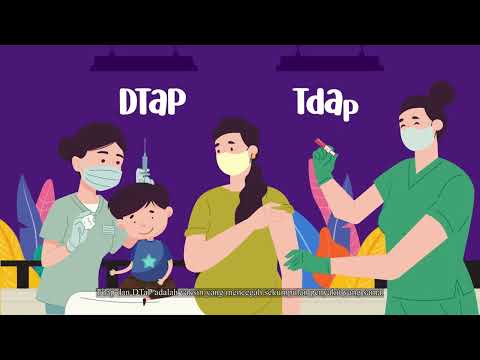
Tdap stands for tetanus, diphtheria, and pertussis. It’s a vaccine that protects against some pretty serious infections. When a pregnant person gets the Tdap vaccine, they’re not just looking out for themselves; they’re also helping to protect their newborn baby.
Now, you might be wondering why it’s necessary during pregnancy. Well, here’s the thing: babies are born with underdeveloped immune systems. They can’t fight off infections as well as adults do. If a mother is vaccinated while pregnant, she passes on some of those protective antibodies to her little one before birth. This is super crucial because it helps shield infants from whooping cough (or pertussis) in those first few months of life.
Whooping cough can be really scary! I remember this one time my friend had a baby who caught it just a few weeks after birth. Seeing that tiny baby struggle to breathe was heart-wrenching! Thankfully, they had taken precautions with vaccines beforehand, so the little one was protected. That experience really hit home how vital vaccinations are.
To add to this conversation, the ideal time to get the Tdap vaccine is between 27 and 36 weeks of pregnancy. Why then? Because this timing ensures that there are enough antibodies built up in the mother’s system that can be passed on effectively to the baby.
Here are some key points about why Tdap vaccination during pregnancy matters:
- Protection Against Serious Diseases: The vaccine protects against three diseases—tetanus, diphtheria, and pertussis—which can all cause severe illness.
- Passing Immunity: Mothers pass protective antibodies to their babies through the placenta.
- Community Immunity: Widespread vaccination helps protect not just individuals but also vulnerable people around them.
- No Side Effects: Most women experience only mild side effects from the vaccine—like soreness at the injection site or a low-grade fever.
It’s normal for expectant moms to feel anxious about receiving any kind of shot during pregnancy. Just remember: your healthcare provider wouldn’t recommend it if it wasn’t safe! Vaccines go through rigorous testing before they’re approved for use during pregnancy.
In short: getting vaccinated with Tdap when you’re pregnant isn’t just another thing on your to-do list—it’s an essential step in safeguarding both maternal and infant health. So if you have questions or concerns about it, seriously talk them over with your doctor or midwife! Having those conversations can clear up uncertainty and keep you informed—and hey, nothing’s more important than your health and your baby’s!
Implications of Skipping Tdap Vaccination During Pregnancy: Health Risks and Insights from Maternal Science
You know, skipping the Tdap (tetanus, diphtheria, and pertussis) vaccination during pregnancy can really have some serious implications. It’s pretty crucial for both moms and their little ones. Let’s break it down.
First off, what is Tdap? It’s a vaccine that protects against three nasty diseases. Tetanus can cause painful muscle spasms, diphtheria can lead to serious respiratory issues, and pertussis, or whooping cough, is especially dangerous for newborns. If a pregnant woman skips this shot, her baby might be at higher risk for catching whooping cough.
Why is whooping cough such a big deal? Well, it can be life-threatening in infants. Babies under two months are too young to get vaccinated themselves; they rely on their moms to pass on immunity through their placenta and breast milk. If the mom isn’t vaccinated before giving birth, the baby won’t have that protection.
- Vulnerability of Newborns: Without maternal vaccination, newborns are more susceptible to contracting whooping cough in those first few months. Imagine being a new parent and seeing your baby struggling to breathe because of a preventable disease—that’s terrifying!
- Disease Transmission: Pregnant women are encouraged to get vaccinated around 27-36 weeks gestation specifically because this timing allows for maximum antibody transfer to the baby. If it’s skipped, there’s no transfer happening!
- Cocooning Effect: By vaccinating herself, a mother also helps create a “cocoon” of immunity around her newborn by immunizing close family members as well—like partners and grandparents—who might come into contact with the baby.
- Long-term Implications: Studies suggest that unvaccinated mothers could lead to outbreaks of whooping cough in communities. This is not just a personal health choice; it affects public health too!
The thing is, many people think vaccines are only important for their immediate effect but often overlook how they contribute to community immunity or herd immunity. When too many people skip vaccinations like Tdap during pregnancy, we’re seriously risking not just individual health but public health as well.
If you’re expecting or planning on getting pregnant soon and have doubts about vaccinations—talk it out with your healthcare provider! They can give you insights tailored just for you based on your medical history.
You see? Skipping Tdap during pregnancy isn’t just about one person’s choice; it could mean serious risks for some pretty vulnerable folks—like tiny babies! So next time you hear about vaccines in pregnancy, remember it’s not just talking science—it’s about protecting your family.
Impact of Skipping Tetanus Injections During Pregnancy: Health Risks and Scientific Insights
When it comes to pregnancy, there’s a lot on your mind. From picking out baby names to nursery colors, you’re juggling a ton! But there’s something that might not be as exciting, yet super crucial: vaccinations. Skipping tetanus injections during pregnancy can lead to some serious health risks.
You might have heard about Tdap (tetanus, diphtheria, and pertussis) shots. They’re important! Getting this vaccine while pregnant helps protect not just you but also your little one from these nasty infections. Let’s break down why missing this vaccine can be risky.
- Increased risk of tetanus: Tetanus is a serious disease that can lead to muscle stiffness and spasms. If you skip the shot and happen to get injured, the chances of developing tetanus rise significantly.
- Impact on newborns: Babies are vulnerable right after birth. If you haven’t had the Tdap vaccine during pregnancy, your baby might miss out on essential antibodies that help keep them safe in those early months.
- Whooping cough concerns: This is more common than you think! Whooping cough can be really dangerous for infants. Not having the Tdap vaccination increases their risk of catching it when they’re too young for their own vaccines.
A while back, I met a mom who was nervous about getting her shots while pregnant. She thought it might not matter much. But here’s the thing: she ended up with an infection that landed her in the hospital! It was scary for her and her family. Sometimes people don’t realize how crucial these vaccines are until they face health scares.
Now let’s dig into what science says about this whole vaccination issue during pregnancy. Research shows that when mothers get their Tdap shot between 27 and 36 weeks of gestation, they pass protective antibodies to their babies through the placenta. This means a better shield for your newborn against diseases like whooping cough!
If you’re thinking about skipping your tetanus injections based on fears or misconceptions, just remember: the benefits usually outweigh any worries. It’s totally normal to have questions or concerns; chat with your healthcare provider about what’s best for you and your bundle of joy!
You know what? Pregnancy is an adventure filled with twists and turns. Getting vaccinated is just one step in making sure both you and your baby stay healthy throughout this journey.
So, let’s chat about Tdap vaccination during pregnancy, okay? It might seem like a small thing, but seriously, it’s so much more important than you might think.
I remember sitting in my friend’s living room one afternoon—she was about to have her baby and was all nervous. We were talking about the stuff she needed to do to prep for the little one’s arrival. Then she mentioned getting her Tdap vaccine. I’d heard of it but didn’t really know why it mattered so much. She explained that Tdap protects against three nasty diseases: tetanus, diphtheria, and pertussis (whooping cough). Who knew, right?
The thing is, whooping cough can be super dangerous for newborns since they haven’t developed their own immunity yet. So when a pregnant person gets the vaccine during the third trimester, it helps pass some of that protection to the baby before they’re even born. Like a little gift from mom! This way, when the baby arrives and is totally vulnerable, they have some armor against that nasty cough.
Plus, hospitals often encourage family members to get vaccinated too because they could be carriers without even knowing it. You see how that works? It’s not just about protecting mom but also creating a safe bubble around her baby.
Now I get it—vaccines can bring up all sorts of feelings and opinions, but looking at it from this perspective really opened my eyes. It’s about love and safety; wanting to do everything possible to keep your child out of harm’s way. In the end, your choices have ripple effects on those around you.
So yeah, if you’re pregnant or planning on getting there soon, consider talking to your doctor about Tdap. It could make all the difference in giving your little one a fighting chance as they enter this big ol’ world!