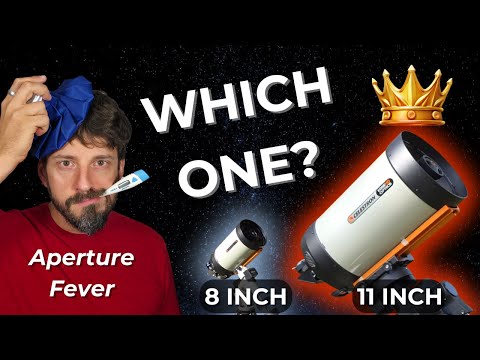
So, one night I was out stargazing, right? And I’m just there, lying on my back, trying to figure out which star was which. Suddenly, a neighbor walks by with this massive telescope. I swear it looked like something from a sci-fi movie! He sets it up and BAM! He’s showing me craters on the moon. Talk about blowing my mind!
The thing is, telescopes can be like the golden ticket to the universe. But picking the right one? That can feel as tricky as understanding rocket science. Seriously! With all those options out there, it’s easy to feel overwhelmed.
Let’s chat about how to find your perfect telescope match. You’ll be unlocking the mysteries of the cosmos in no time! So grab some snacks and let’s explore this galaxy together—no spacesuit required!
Ultimate Guide to Choosing the Perfect Telescope for Stargazing: Tips for Science Enthusiasts
So, you’re thinking about getting a telescope for stargazing? That’s pretty exciting! I remember the first time I looked through a telescope. I was at my uncle’s place, and he showed me Jupiter with its stripes and four moons. It blew my mind! It’s like having a front-row seat to the universe. Now, let’s break down how to pick the right telescope without losing our way in the stars.
Understand Your Goals
First off, what do you want to see? Are you into moons and planets or more into galaxies and nebulae? Knowing your focus helps narrow things down. If you’re just starting out, maybe you want to catch some planetary action.
Telescope Types
There are mainly three types of telescopes: refractors, reflectors, and compound telescopes.
Each type has its perks. For example, refractors are great for planets because they give sharp images, while reflectors can gather more light with a larger aperture—perfect for deep-sky objects.
Aperture Size
When it comes to observing faint objects in the night sky, aperture size is key. It refers to how big the opening is where light comes in. Basically, bigger means better! If you’re serious about stargazing, look for something with at least 4-6 inches of aperture. You’ll notice a huge difference when you peek at those distant galaxies or star clusters.
Portability
Think about where you’ll be using your telescope. If you plan on traveling or want something easy to handle when heading out on clear nights, you might lean towards a smaller or more compact model. But if it’s going to stay in your backyard most of the time? Go big!
Your Budget
Telescope prices can range from very affordable to super expensive! Set a budget that makes sense for you before diving into options. Remember: it’s tempting to go all out but starting modestly doesn’t mean sacrificing fun!
Add-Ons and Accessories
And let’s not forget about accessories! Things like good eyepieces can enhance your viewing experience dramatically—a cheap eyepiece could give crummy views even if you’re rocking an awesome telescope.
Oh! And don’t forget about a star chart app or book; they make finding things tons easier.
User-Friendly Features
If you’re new in this game, look for telescopes that are user-friendly—like ones that come with simple setup instructions or even tracking systems that help you follow celestial objects as they move across the sky.
So there it is: picking the perfect telescope isn’t just about the specs; it’s about what makes sense for YOU! Take your time exploring options—maybe even visit a local astronomy club where folks love sharing their experiences and gear choices.
In short: think about what excites you most about stargazing; then choose equipment that matches that dream—not every telescope fits every starry-eyed adventure but there’s definitely one out there waiting just for you! Happy stargazing!
Optimal Telescope Magnification for Stargazing: A Comprehensive Guide for Astronomy Enthusiasts
Stargazing is like magic, isn’t it? You look up at the night sky and see countless stars twinkling. If you really want to dive into that magic, having a good telescope is key. But here’s the catch: it’s not just about having any telescope; it’s all about finding the optimal magnification. This can make or break your experience.
What Does Magnification Mean?
So, when you hear people talk about magnification, they’re referring to how much closer an object looks through a telescope compared to the naked eye. It’s usually expressed in numbers like 20x or 100x. Basically, if you have a 100x magnification telescope, it’ll make things look 100 times bigger than what you’d see just looking up without help.
Why Less Isn’t Always More
You might think that higher magnification is always better. Well, that’s only partially true! If you crank up the power too much, things can get blurry or shaky. You know when you’re trying to zoom in on a photo and it just gets pixelated? Yeah, kind of like that. High magnifications can lead to poor image quality if your telescope isn’t set up right or if the atmosphere isn’t cooperating.
Here are some points to keep in mind:
- Atmospheric Conditions Matter: On a clear night with steady air (what we call “good seeing”), you can use higher magnifications effectively.
- Telescope Type: Refractors and reflectors handle different magnifications differently. Refractors typically give nice views at high power due to their lenses.
- Aperture Size: The size of your telescope’s opening (or aperture) plays a big role in how much light it gathers. More light means better views at higher magnifications.
The Magic Number
For most casual stargazers, sticking around 50x per inch of aperture is a good rule of thumb for optimal viewing. So if your telescope has an aperture of 4 inches (about 100mm), multiplying by 50 gives you around 200x as a solid max for clear viewing under great conditions.
But here’s where it gets interesting! For lunar observations, slightly higher magnifications work wonders since our moon has so many details worth seeing up close—like craters and mountains. In this case, something around 150-200x will really show off those features without losing clarity.
A Practical Example
Let’s say you decide to observe Jupiter one night—what a sight! You’ll want clarity because Jupiter has moons and bands across its surface that are simply beautiful. A good starting point might be using your scope at 75-150x. You’ll see its famous stripes more clearly without sacrificing view quality.
Your Eyes Matter Too!
Don’t forget about your eyes! Sometimes people overlook how important their own vision is when picking out telescopes or setting them up. Getting proper eyepieces designed for comfortable viewing can make all the difference during long nights spent admiring the cosmos.
So now you’ve got some basics on how to choose optimal telescope magnification for stargazing adventures. Remember: finding that sweet spot takes practice! It might feel overwhelming at first, but exploring well will help open even more celestial doors for you—and trust me; once they swing wide open? You won’t want to stop gazing into infinity!
Discovering the Cosmos: The Best Telescopes for Stargazing in Astronomy
Stargazing is, like, one of the coolest hobbies you can pick up. It’s that magical feeling when you look up and see a sky full of stars, planets, and maybe even a comet passing by. But to really get into it, a good telescope can make all the difference.
So, let’s talk about telescopes. You might be wondering, “Which one should I get?” Well, there are a few types to consider that can really enhance your stargazing experience. Let me break it down for you.
1. Refractors: These telescopes use lenses to gather light. They’re great for viewing planets and the moon because they produce nice, clear images. Imagine watching Saturn’s rings—it’s like something out of a sci-fi movie! But be careful; larger refractors can get pricy.
2. Reflectors: Instead of lenses, reflectors use mirrors to collect light. They tend to be less expensive for larger apertures, which means you can see fainter objects in the sky more easily than with smaller telescopes. I once stood under an open sky with a friend using one of these and spotted the Andromeda Galaxy! It totally blew my mind.
3. Compound Telescopes: These are basically a combination of refractor and reflector designs. They’re compact and versatile—perfect if you want to view both planets and deep-sky objects without needing multiple telescopes. Plus, they’re often easier to transport if you want to take them somewhere away from city lights.
When picking out a telescope, consider your budget first but also where you’ll use it most often. If you’re in an urban area with lots of light pollution, you’ll want something that brings out those faint details well.
Here’s another thing: mounts. You’ve got two main types—altazimuth and equatorial mounts. An altazimuth mount lets you move up/down and left/right easily; it’s super user-friendly if you’re just starting out! On the flip side, an equatorial mount aligns with Earth’s rotation making tracking celestial objects smoother as they move across the night sky.
Now let’s chat about aperture, which is basically how much light your telescope collects; bigger usually means better! A modest 4-inch aperture is pretty good for beginners planning on checking out craters on the moon or Jupiter’s moons without too much fuss.
So when you’re picking out your gear:
- Aperture size matters!
- Consider what celestial objects you want to observe.
- Your budget will help narrow options.
- The type of mount matters for usability.
And don’t forget: binoculars are also an excellent way to start if you’re not ready for a full-fledged telescope yet! They’re portable and can help ignite that spark before fully diving in.
In short? Stargazing through a telescope opens up an entire universe—literally! You’ll get addicted faster than you think as each night reveals new wonders above us all; it just takes finding the right tool for your journey into this awe-inspiring cosmos we call home.
You ever find yourself staring up at the night sky, wondering what all those twinkling dots are? It’s kind of mesmerizing, right? I mean, there’s just something about looking at the stars that makes you feel small but also, like, deeply connected to everything. So if you’re thinking about diving into stargazing, picking the right telescope can really elevate that experience.
I remember the first time I looked through a telescope. It was this old, dusty thing my uncle had in his attic. Seriously, it probably hadn’t been used in years. But when I finally peered into the eyepiece and saw Jupiter’s bands and its four biggest moons—wow! That moment changed everything for me. Seeing those distant worlds felt like grasping a little piece of the universe.
So yeah, let’s chat about how to choose a telescope without getting too technical or overwhelmed by options. Basically, you want something that’s easy to use and transportable if you’re like me and love driving out to dark spots away from city lights. There are so many types out there: refractors, reflectors, compound telescopes… it can be mind-boggling!
Refractors use lenses and are great for observing planets and the moon because they give you sharp images. Reflectors use mirrors and tend to be larger for less cash—perfect if you’re itching to see deep-sky objects like galaxies or nebulae. Compound telescopes? They combine both techniques but can burn a hole in your wallet.
And then there’s portability. You don’t want something so heavy that you need a crane just to lift it! But don’t shy away from bigger scopes; they often collect more light, giving you brighter views of faint objects in space.
Oh! And think about mounts too—equatorial or alt-azimuth mounts will hold your telescope steady while allowing you to track objects as they move across the sky. You know how some people set up camp with picnic blankets and snacks? Well imagine doing that while chasing shooting stars!
Accessorizing your setup is another fun part; maybe get different eyepieces or filters for those special views! Light pollution filters can seriously enhance your stargazing game in cities.
All this being said—don’t let choice paralysis freeze you into inaction! The best telescope is one that excites you enough to actually use it regularly again and again under those magnificent skies. Even with all the fancy equipment available today, some of my most memorable nights were spent simply lying on a blanket with friends, binoculars in hand, counting constellations.
So yeah—find what speaks to you (and fits your budget). Just remember it’s not about having the fanciest gear; it’s about experiencing that awe every time you look up at night.