You ever seen a frog hop out of nowhere and thought, “Wow, that’s one cool little creature!”? Well, it turns out frogs are just the tip of the iceberg when it comes to our vertebrate buddies on this planet.
Tetrapods are super fascinating. They’re not just your average animals; they include everything from lizards and birds to, you guessed it—us! Yeah, humans are part of this amazing group. Crazy, right?
But here’s the kicker—there’s a ton we still don’t know about them. Like, did you ever wonder how these creatures evolved from water to land? It’s like a real-life transformation story.
So let’s dig into this wild world of tetrapod zoology. You’ll be surprised at how much diversity exists among these animals we often take for granted. Who knows? You might even find yourself wanting to become the next big expert in vertebrate diversity!
Exploring Tetrapods: A Comprehensive Overview of Vertebrate Evolution in Science
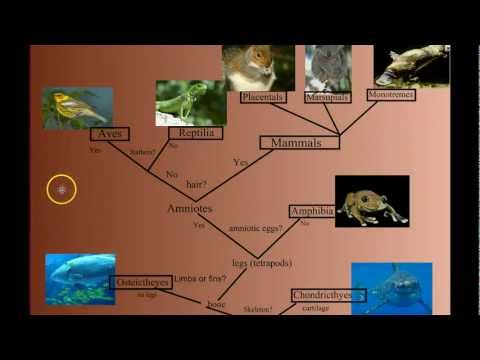
So, let’s talk about tetrapods—the cool group of vertebrates that includes everything from frogs to humans. They’re basically the life forms that made the bold move from water to land. This transition is one of the biggest steps in evolutionary history, and it didn’t just happen overnight. It took a lot of time, adaptations, and some epic changes in body structures.
Now, if you look back millions of years ago, like way before dinosaurs were strutting around, there were fish that had some interesting features. Some fish developed lungs and stronger fins which eventually helped them pull off this daring leap onto land. Imagine those first fish taking a deep breath and waddling onto the shore—pretty gutsy, right?
You might be wondering what makes tetrapods special. Well, they have four limbs instead of fins. Those limbs are way more versatile than you might think! They allow for all sorts of movements: climbing trees, running fast on land, or even digging holes.
Here are a few important points about tetrapods:
What’s really cool is how different tetrapod groups developed over time. For example, think about amphibians like frogs. They might start their life as tadpoles swimming around but transform into sleek jumpers with lungs! Then you’ve got reptiles like lizards that have this whole other way of surviving without drying out because they can lay eggs on land.
And then there are mammals—like us! We’ve got a heart beating in our chests and hair covering our bodies (some more than others!). Our ancestors had quite the journey too; they had to adapt to different climates and food sources.
The fascinating part is how studying these creatures helps scientists understand evolution better. Each species tells us a story about survival and adaptation through time. This isn’t just some nerdy science talk; it’s key to knowing how diverse our planet really is!
So next time you see a dog or even a common frog hopping around your yard, remember: they’re all part of this vast family tree known as tetrapods—and their story is still unfolding today! Realizing their evolutionary journey gives us insight into our own existence in this big world we share together. Pretty amazing when you think about it!
TetZooCon 2025: Exploring the Intersection of Paleontology and Modern Science
So, have you heard about TetZooCon 2025? It’s this super cool event where paleontology meets modern science. Basically, it’s a gathering of folks who are into understanding the history of vertebrate animals and how that connects to what we know today. The title sounds fancy, but it’s all about diving into the amazing world of tetrapods, which are those four-limbed animals that include everything from frogs to humans and dinosaurs!
Now, you might be asking yourself, why the intersection of paleontology and modern science? Well, the truth is, studying ancient creatures helps us understand more than just what they looked like. It gives us insights into how life evolved on Earth. These connections can lead to amazing discoveries about genetics, behavior, and even climate change impacts.
During TetZooCon, expect exciting talks and discussions on various topics related to vertebrate diversity. There will be experts sharing their latest research findings on different tetrapod species. Also, you’ll probably hear about cutting-edge techniques like DNA analysis or fossil imaging, which help reveal secrets that remain hidden in rocks for millions of years.
- The importance of integrating paleontological findings with modern ecological studies.
- Talks on extinct species and what they can tell us about current conservation efforts.
- The role of fossil records in understanding climate shifts through time.
- How advancements in technology influence our perspectives on evolution.
I remember going to my first paleontology conference years ago; it was like being a kid in a candy store! Each speaker brought new stories and insights that ignited my passion for science even more. You could stir your curiosity just by sitting in the audience.
TetZooCon isn’t just about lectures; there are workshops too! These hands-on sessions give attendees a chance to engage directly with data or even work with fossils. Imagine holding a real dinosaur bone—that’s something you won’t forget!
The community aspect is also huge at these events. You get to meet people who share your interests—like discussing your favorite prehistoric creatures over coffee (or maybe something stronger!). That connection can lead to collaborations or friendships that last well beyond the conference buzz.
If you’re thinking about attending TetZooCon 2025 or just interested in the topics they will cover, consider how fascinating it is that our understanding of life today is deeply rooted in its history. Every tetrapod gives us clues not only about where we came from but also where we might be going.
So yeah, whether you’re a scientist or just someone with a curious mind eager to learn more about vertebrate diversity and paleontological treasures, there’s something truly special waiting for you at TetZooCon 2025!
Exploring the Future of Wildlife: ‘After Man’ and the Evolution of Zoology
When we think about the future of wildlife, it’s hard not to feel a bit overwhelmed. I mean, the world is changing fast! From climate shifts to urban expansion, our furry and feathered friends are facing a lot. Basically, they’re trying to find their way in a world that’s becoming less and less like what they know.
So, let’s talk about this concept of “After Man.” This vision looks at what wildlife might look like in a future where human influence is less dominant. Imagine forests rewilding or animals roaming freely without fear of roads or cities. It’s kind of a hopeful thought, right?
Take zebras in Africa, for instance. Without humans around to disrupt their habitats with farms and roads, they could repopulate areas they’ve left behind. You’d see them moving through landscapes that look more like the savannas of their ancestors.
Tetrapod zoology plays a significant role here too! Basically, it studies vertebrates with four limbs—think mammals, birds, reptiles, and amphibians. As we learn more about these creatures and their ecosystems, we can better understand how they adapt and evolve when faced with changes in their environment.
One thing zoologists point out is how certain species demonstrate resilience. Like the famous case of the urban foxes in London. These clever critters have adapted remarkably well to life among humans; they’ve learned when to scavenge and where to hide from danger. In an “After Man” scenario, would they revert back to more wild traits? Or would they continue evolving alongside nature’s changes?
Another key point is also about biodiversity. The more diverse an ecosystem is, the stronger it tends to be against disturbances like climate change or habitat loss. With knowledge from evolutionary biology—especially through studying tetrapods—we can see how different species contribute uniquely to their environments.
Imagine coral reefs without mass bleaching events as humans take steps back from coastal developments! Plus think about how amphibians could reclaim their places near polluted waters if ecosystems clean themselves up over time!
But why does all this matter for us? It’s simple: understanding how wildlife adapts can inspire conservation efforts today! Like focusing on protecting habitats critical for these creatures rather than just saving individual species.
So yeah—it’s not just about saving cute animals; it goes much deeper than that! We’re talking interconnectedness of life on Earth here!
In exploring this “After Man” world through tetrapod zoology, we can shape better conservation strategies while looking ahead at potential futures for wildlife now and beyond human impact.
Hey—it might not change everything overnight but engaging with these ideas helps fuel our connection with nature itself—and every little bit counts!
Tetrapod zoology is like this super cool puzzle piece in the big picture of vertebrate diversity. You know, when you think about it, tetrapods—the four-limbed creatures—are everywhere in our lives, from the birds that sing outside your window to the furry friends we cuddle with at home. But what’s fascinating is how much we still don’t totally grasp about them!
Take a moment to think of a day at the beach. You’ve got seals lounging on the rocks and all sorts of sea turtles splashing around. Those animals are part of this grand tetrapod family tree. Each one tells a unique story about adaptation and survival over millions of years. Isn’t that wild?
When scientists dig into tetrapod zoology, they’re not just cataloging these species; they’re piecing together evolutionary history. They study bones, muscles—you name it—to track how land-dwelling animals transitioned from water to solid ground ages ago. This journey, from fins to limbs, isn’t just about limbs but also shows how life adapts to changing environments.
And here’s something that blew my mind: some researchers even look at ancient fossils to find those missing links between species. It’s like playing detective but for life forms long gone! I remember visiting a museum as a kid and staring wide-eyed at dinosaur skeletons wondering how things changed so much over time. Now I think, wow, those massive creatures were once related to the tiny lizards we see today!
But let’s not forget the ecological angle here too. Understanding vertebrate diversity through tetrapod zoology helps us grasp ecosystems better—like who eats whom or how climate change could push certain species towards extinction. Knowledge gained from studying one group can literally save entire habitats.
So really, delving into tetrapod zoology feels like an adventure—each find can reshape our understanding of life itself! It mixes science with imagination, connecting us back to our roots and reminding us of our place in this sprawling tapestry of life on Earth. And honestly? That connection makes you appreciate every little critter roaming around or soaring above us even more!