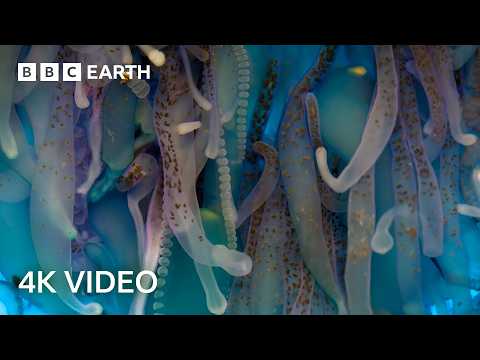
You know that feeling when you’re at the beach, watching the waves roll in, and a curious little fish pops its head out? Like, what’s going on down there? Well, the ocean is like this massive, secret world just waiting to be explored.
Seriously. If you think about it, we’ve only really seen a tiny fraction of what’s chilling beneath those waves. Think about it: more than 80% of our oceans are still uncharted territory. It’s like the ultimate mystery novel, but with more colorful characters… and fewer plot twists.
Marine zoology dives into that world—literally! It’s all about studying those quirky sea creatures and their habitats. From vibrant coral reefs to deep-sea monsters that look like they belong in a horror movie—there’s so much going on down there.
So let’s chat about all the wild and wonderful things living in our oceans. You might even find yourself wanting to grab a snorkel and jump right in!
Top-Rated Ocean Documentaries: Exploring the Most Highly Reviewed Films in Marine Science
When you think about the ocean, it’s not just a big blue mass of water, right? It’s teeming with life and mystery. If you’re really into marine science or just love a good story from the deep, there are some top-rated documentaries that’ll open your eyes to this underwater world. So, let’s take a look at some highly reviewed films that explore the wonders of ocean life.
The Blue Planet series is often considered a gold standard in ocean documentaries. This breathtaking series dives into various marine ecosystems, showing everything from coral reefs to deep-sea trenches. Each episode is like an adventure in itself! You get to learn about strange creatures like the anglerfish and experience heartwarming moments, like the bond between a mother whale and her calf. It’s emotional stuff that makes you appreciate how fragile yet incredible ocean life can be.
Then there’s Chasing Coral. This film tackles the pressing issue of coral bleaching, which is basically when corals lose their vibrant colors due to stress—like from warming waters. The filmmakers take you on a journey beneath the waves, showcasing stunning coral ecosystems while confronting the alarming changes taking place. Watching it feels intense; it’s not just pretty visuals but also a wake-up call for what’s happening to our oceans.
Another one worth mentioning is My Octopus Teacher. This documentary isn’t your typical science film; it’s more of a personal journey. It follows a filmmaker who forms an unexpected bond with an octopus living in a South African kelp forest. You get to see how intelligent and emotional these creatures can be! It’s touching and makes you think about human connections—even with animals we hardly understand.
Now let’s talk about A Plastic Ocean. As the title suggests, it focuses on the dire problem of plastic pollution in our seas. While highlighting beautiful ocean scenery, it also brings attention to how human actions are impacting marine life. This film is powerful because it combines heartache with hope, advocating for change with real-life examples that hit home.
In addition to these titles, there are plenty more films out there that dive into specific topics like underwater ecosystems or marine biology breakthroughs as well as shorts documenting expeditions led by scientists exploring new species or habitats.
So yeah, if you’re curious about marine zoology and want some fantastic visual storytelling to go along with your learning journey—these documentaries are perfect for you! They mix science with art in such amazing ways that you’ll likely find yourself getting hooked on both nature and conservation efforts too!
Transitioning from Zoology to Marine Biology: Exploring Career Pathways in Marine Science
Transitioning from zoology to marine biology can feel like diving into a whole new world. You’ve spent time studying animals, their behaviors, and habitats on land. Now, imagine taking that passion underwater! It’s pretty cool to think how the skills you already have are super applicable in marine environments.
First off, let’s talk education. If you’ve got a degree in zoology, you’re already ahead of the game. You understand animal anatomy and ecology, which is vital for studying marine life. But you might want to pick up some additional coursework in subjects like oceanography or marine ecosystems. It’s basically about getting your feet wet—or should I say fins? Well, anyway…
Networking is another biggie. Being connected can open doors you didn’t even know existed! Take part in local marine conservation projects, or join organizations focused on ocean health. Volunteers often find they learn tons and get to meet folks in the field who may help with internships or jobs down the line.
Experience counts too! If you can snag internships or research opportunities relating to marine life, do it! These hands-on experiences can be invaluable. For instance, working on a coral reef restoration project could give you practical skills while letting you contribute to something meaningful.
Let’s not forget about specialization. Marine biology is broad—think of it as a vast ocean with many different species swimming around. You could focus on things like marine zoology, which narrows your attention to animals living in the sea, or even delve into areas like conservation biology or fisheries science.
Also, consider pursuing advanced degrees if you’re really keen on deepening your expertise (pun intended!). A master’s or PhD might not be necessary for every job but will certainly give your resume a boost if you’re aiming for research-focused roles.
And don’t shy away from tech! Modern marine scientists often use sophisticated tools such as remote sensing devices and genetic analysis techniques. Familiarizing yourself with these technologies will only enhance your skill set and make you more marketable.
Lastly, it’s all about passion and curiosity! Remember why you fell in love with animals in the first place? Bringing that enthusiasm to your work can be contagious—to colleagues and the public alike.
So whether you’re contemplating a dive into fieldwork at a coastal reserve or exploring data analysis back at an office desk—your zoological background will serve as a strong foundation for everything aquatic ahead!
The Study of Sealife: Understanding Marine Biology and Its Significance
Marine biology is such a cool field! It’s all about studying life in the ocean, from tiny plankton to massive whales. Seriously, the diversity of life down there is mind-blowing. Imagine exploring an underwater world where everything is interconnected in ways we’re only beginning to understand.
So, what’s marine biology? Well, it’s not just one thing. You’ve got zoologists focusing on animals, yeah? But there are also biologists who study plants, ecosystems, and even the chemistry of seawater! They explore how these living organisms interact with each other and their environment. Just think about it for a second: the ocean covers more than 70% of our planet. That’s like a huge chunk of real estate filled with mysteries!
And then there’s **marine zoology**, which is basically a branch of marine biology that zooms in on the animal side. It can be divided into different areas like ichthyology (the study of fish), malacology (that’s for mollusks like octopuses and clams), and even eco-physiology! Each focus brings us closer to understanding how these creatures live, reproduce, and adapt.
But why should we care about this underwater stuff? Well, first off, oceans produce over half of Earth’s oxygen through phytoplankton—those tiny plant-like organisms you usually don’t even see! Plus, oceans are home to countless species that have real importance for ecosystem health. They help regulate climate and provide food for millions of people around the world.
Let’s not forget that studying marine life can lead to *serious* breakthroughs in medicine. For example:
- Shark skin has unique properties that help prevent infections; researchers look at it for medical advancements.
- Sea sponges have compounds that could be used in cancer treatment.
- Octopus blood? Yup! It has potential applications in storage solutions for human blood types!
But here comes the scary part: our oceans are in trouble. Pollution, climate change, overfishing—you name it; they’re all affecting marine ecosystems. When I think back to my childhood beach trips where I’d discover colorful crabs hiding among rocks or watch turtles swim gracefully by, it hits hard to know those experiences could become less common.
So what can we do about it? Well, supporting sustainable fishing practices and reducing plastic use matter a ton! Every little effort contributes to keeping our oceans healthy and vibrant. And if you’re thinking marine studies sounds interesting… dive deeper into it! Whether through books or documentaries or volunteering—just get out there!
In summary: marine biology isn’t just science; it’s essential. Understanding ocean life helps us appreciate our planet as a whole. The next time you watch waves crash against shorelines or catch glimpses of sea creatures while swimming—remember: those wonders are rooted in complex systems worth protecting.
So, marine zoology, huh? It’s like a treasure chest of knowledge about all those crazy creatures that call the ocean home. Seriously, when you think about it, oceans cover more than 70% of our planet. That’s a lot of water, and within all that blue stuff are some of the most bizarre and fascinating life forms.
You know that feeling when you dive into the ocean on a hot day? The cool water wraps around you, and as you look down, it’s like stepping into another world. I remember my first snorkeling experience. I was floating above a colorful coral reef, fish darting in every direction—some tiny and bright, others big and oddly shaped. Just thinking about it gives me chills! You realize there’s this whole universe down there that we rarely think about.
Marine zoology dives deep—pun totally intended—into studying everything from giant squids to minuscule plankton. It’s not just about taking notes and looking through microscopes; it’s about understanding ecosystems, animal behaviors, and how these ocean dwellers interact with each other and their environment. Imagine studying how whales communicate through songs or how clownfish find their way back to anemones. It’s like nature’s own soap opera under the waves!
And here’s a thought: with climate change affecting sea temperatures and pollution disrupting habitats, marine zoologists play a crucial role in conserving these ecosystems. They’re not just observing; they’re advocating for those vulnerable species who can’t speak for themselves.
Sometimes I wonder if we take the ocean for granted—like it’s infinite or something. Yet it feels so fragile at times too. The more we learn about marine life through zoology, the more we understand our responsibility in protecting these underwater wonders.
So yeah, whether you’re into sharks or jellyfish or even those quirky little seahorses, marine zoology opens up this beautiful — yet often overlooked — world beneath the waves. Exploring it brings awareness not just to the animals living there but also to our connectedness to them as stewards of this planet we all share. And really, who wouldn’t want to be part of that adventure?