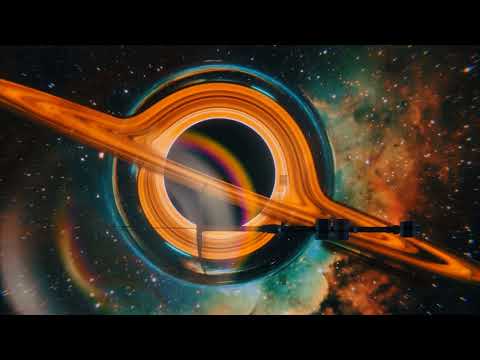
You ever been to a party where everyone’s having fun, and then someone mentions the weird guy in the corner who’s just sitting there? That’s dark energy for you! It’s this totally mysterious force that, seriously, we know so little about.
It sounds like something out of a sci-fi movie, right? But this invisible thing is actually behind the way our universe is expanding. Yup, it’s true! Picture this: while we’re all here on Earth worrying about our daily stresses, dark energy is doing its thing—stretching the universe apart like an elastic band!
So, what exactly is it? That’s the million-dollar question. Scientists are scratching their heads over it. Spoiler alert: there are theories, but no clear answers yet.
Anyway, let’s take a closer look at this cosmic enigma and see if we can make sense of what’s going on out there. You in?
Unraveling the Mystery of Dark Energy: Insights from Modern Science
Alright, so dark energy. Sounds mysterious, right? Well, it kind of is! Imagine standing in a vast field at night, looking up at the stars. That feeling of wonder? That’s sort of how scientists feel when they think about dark energy.
First off, what is dark energy? Simply put, it’s a force that seems to drive the universe apart. Yeah, you heard that right! It’s like this hidden hand pushing galaxies away from each other. Crazy stuff!
Now, let’s backtrack a bit. In the late 1990s, astronomers were studying distant supernovae—those massive explosions when stars die—and made a surprising discovery: the universe isn’t just expanding; it’s *accelerating* in its expansion. This was totally unexpected because many thought gravity would eventually slow everything down. But here comes dark energy to shake things up!
So here are some key things to know:
You might be wondering how we even know dark energy exists since we can’t see or touch it. Well, here goes: scientists measure how fast galaxies are moving away from us and compare that speed to what we’d expect based on gravity alone. If there’s more push than pull, then something must be making that happen—and that’s where dark energy steps into the spotlight.
Every time I read about this topic or chat with friends who love science too, I’m reminded of when I was little and looked through a telescope for the first time. The sheer size of space blew my mind! Dark energy is kind of like that initial awe but on a cosmic scale.
Now here’s something cool: researchers use various observational tools like supernova studies, CMB (Cosmic Microwave Background), and galaxy clustering to gather clues about dark energy’s nature. Each method offers different insights—like pieces to an intricate jigsaw puzzle that somehow always seems just out of reach.
A lot remains shrouded in mystery, though. Why does this force seem constant across vast distances? And why doesn’t its effect change over time? Questions upon questions!
But here’s where it gets even wilder: if we ever figure out what dark energy really is or how it works, it could completely transform our understanding of physics and our place in this incredible universe.
So yeah, next time you stare at those twinkling stars and ponder life or maybe your next pizza topping choice (pepperoni?), remember there’s an entire world—or rather an entire force—of mystery hanging out there with them!
Exploring the Impact of Dark Energy on the Future of the Universe: Implications for Cosmology
So, let’s talk about dark energy. You might have heard of it—it’s this mysterious force that seems to be driving the universe apart, and, honestly, it keeps scientists scratching their heads. You see, when we look at the cosmos, we find galaxies moving away from us. But they’re not just drifting; they’re speeding up! How wild is that?
Now imagine you’re on a big balloon with your friends. When you blow it up, everything on the surface moves away from each other. Dark energy does something similar but with galaxies in space! It accounts for about 68% of the universe’s total energy density, which is a massive chunk. This makes understanding it super important for cosmology.
Okay, so what’s the deal with dark energy and our universe? Well, scientists think dark energy is linked to the empty space itself. Like a cosmic vacuum that somehow has energy woven into it. Some call this theory cosmological constant, a term coined by Albert Einstein back in the day. He wasn’t sure what he was onto then!
- Expansion of the Universe: Because of dark energy, our universe isn’t just expanding; it’s accelerating! Imagine if every year your birthday cake got bigger not just from more frosting but because it grew by magic.
- The Fate of the Universe: This brings us to some cool ideas about how everything might end up. There are theories like “Big Freeze” where everything gets so stretched out that stars die and galaxies drift apart forever.
- Cosmic Structure: Dark energy also affects how matter clusters together in space. Galaxies might not hang out as close together as we once thought due to this unseen force.
You know what’s kind of funny? Scientists almost thought dark matter was the only game in town—something tangible weighing down galaxies—but then came dark energy to shake things up! It’s like finding out your favorite song has a crazy remix that no one saw coming.
The implications for cosmology are huge because they challenge our understanding of physics! If dark energy continues to dominate, we may need new theories and models to explain how everything works in our universe over eons.
A while back at a stargazing event—it was cool—we had telescopes set up and everyone was amazed at what they could see: stars twinkling millions of light-years away while pondering dark energy’s role in all those twinkling lights. It hit me then; we are all part of this massive cosmic dance unfolding around us!
You follow me? The study of dark energy isn’t just an academic pursuit; it connects us deeply with the universe’s past, present, and future. And while answers may seem elusive sometimes, every little discovery is like adding another piece to a giant puzzle—bringing us closer to figuring out this cosmic mystery.
So yeah, as scientists continue exploring dark energy’s impact on everything from galaxy formation to potential endings for our universe, we’re really on an epic journey together through time and space!
Exploring the Origins of Dark Energy: Key Predictions and Scientific Contributions
So, we’ve got this thing in the universe called dark energy. You may have heard about it, but what’s really going on with it? Basically, it’s this mysterious force that seems to be speeding up the expansion of the universe. Crazy, right? And here’s the kicker: nobody really knows what it is! Scientists have been scratching their heads over this one for a while now.
The term “dark energy” came about in the late 1990s after astronomers observed that distant supernovae were fainter than expected. This oddity suggested something was pushing galaxies apart faster and faster. You might think, “What about gravity?” Well, that’s a solid point! Gravity is always working to pull things together, but dark energy seems to be overpowering that pull overall.
So let’s break down some key predictions and contributions from scientists trying to get a grip on dark energy:
- The Cosmological Constant: Proposed by Einstein and then tucked away for decades, this idea suggests there’s a constant energy density filling space. It may help explain why the universe’s expansion is accelerating.
- Quintessence: This theory suggests dark energy isn’t constant but changes over time. Imagine a substance that thickens or thins out—you can see how that can lead to an evolving expansion of the universe!
- Spectroscopy of Supernovae: When scientists looked at supernovae far away in space, they found evidence of accelerated expansion through spectral analysis. It’s like figuring out how old your favorite album is by studying its sound waves!
- The Role of Galaxy Clusters: By observing galaxy clusters and their distribution across the universe, researchers can infer information about dark energy’s effects over vast distances.
You know what’s neat? Some scientists even believe there could be different forms or types of dark energy we haven’t even discovered yet! They’re seriously dedicated—hunching over data and analyzing light from distant galaxies just to catch a glimpse at what’s really happening out there.
A heartwarming anecdote comes to mind: I once stumbled upon an astronomy club meeting where excited amateurs shared their own little projects aimed at tracking these cosmic wonders. They were genuinely enthusiastic, wrapped up in their telescopes and charts as if they were uncovering hidden treasures. It’s moments like these that remind me how much passion fuels scientific inquiry.
Ultimately, while we’re still piecing together the puzzle of dark energy, every discovery feels like an exciting cliffhanger in a good sci-fi novel—leaving you itching for more answers as you turn each page!
Okay, so let’s chat about dark energy, which, honestly, sounds like something out of a sci-fi movie, right? But it’s real and super mysterious. This stuff is what scientists think is behind the universe’s crazy expansion. I mean, have you ever thought about how our universe is like this colossal balloon that keeps blowing up? Pretty wild!
You know, I remember when I was a kid, laying on the grass at night with my friends. We’d stare up at all those twinkling stars and imagine what was out there. Back then, all I knew was that stars were pretty cool and the moon looked magical. If only I’d known back then about dark energy! It turns out that it makes up about 68% of everything in the universe. That’s right! Most of the stuff is not even what we can see or touch.
So here’s the deal. In the late 90s, scientists discovered that not only was our universe expanding but that this expansion was actually speeding up. Wild concept to grasp! And all these galaxies are racing away from each other faster than a dog chasing a squirrel in the park! But why? That’s where dark energy struts in like a superhero—sort of.
Now, don’t get me wrong; no one really knows what dark energy is yet. It’s like trying to catch smoke with your bare hands—impossible! Some folks think it’s linked to Einstein’s theory of relativity or maybe even some weird vacuum energy from space itself. Imagine space being more than just empty; it’s alive with this enigmatic force pushing things apart.
Even NASA and top physicists scratch their heads over it sometimes. Like at one point they thought there could be an opposite force — kind of like gravity pulling us together while dark energy shoves us apart. It raises so many questions: What’s the fate of our universe going to be? Could it eventually rip apart or freeze into cosmic oblivion? Just thinking about it can really give you chills!
So yeah, dark energy might sound daunting and strange—but isn’t that part of why we explore science? The thrill of uncovering these secrets gives us hope and excitement for what lies beyond our earthly existence. Whenever you look up at those distant stars again, think about how they’re part of this massive cosmic dance influenced by forces we’re still trying to understand fully.
It’s kind of comforting too—realizing just how much mystery still exists. Makes you feel small yet connected to something way bigger than yourself. So when you’re out under those sparkling skies next time, let your mind wander through time and space because who knows… maybe that little spark inside you will help unravel some mysteries someday too!