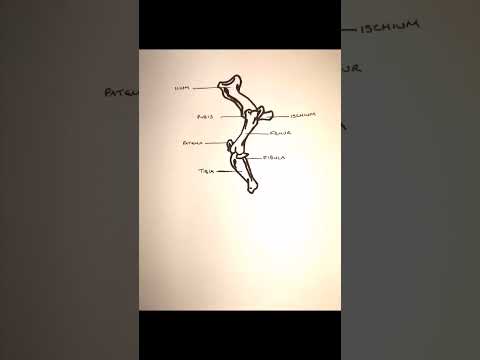
You know what’s wild? Horses have joints that look like a puzzle piece, and they’re critical for how these majestic animals move. Yeah, I mean, can you imagine galloping like the wind without those special bits working just right?
So, let’s chat about the equine tarsus. It’s often overshadowed by all that beautiful muscle and those impressive legs. But seriously, this part of the horse is super important for balance and movement.
I remember watching my friend’s horse zoom around at a show. The way it moved was so fluid, it felt like art! And that graceful motion comes down to smart anatomy—like the tarsus doing its thing without even breaking a sweat.
That’s the cool part: most folks don’t realize how much goes into that elegance. Let’s get into how this joint operates and why it matters for our four-legged friends!
Understanding Equine Tarsus Anatomy: Key Insights into Its Role in Equine Movement
So, have you ever thought about how a horse moves? I mean, it’s pretty incredible. One of the key players in all that graceful motion is the tarsus, or as many people call it, the hock. This area is super important for how horses get around. Let’s break it down a bit, alright?
The equine tarsus is made up of several bones and joints that work together like a well-oiled machine. There are three main bones involved:
- The calcaneus (or heel bone)
- The talus (which connects to the tibia)
- The central tarsal bone
This structure gives the horse its ability to flex and extend while running or jumping. If you think of a horse taking off at full speed, all those bones are working together to absorb shock and provide stability.
And you know what’s interesting? The tarsus also has lots of ligaments and tendons that keep everything in place. One major tendon is the Achilles tendon—yeah, just like in humans! It helps with powerful movements. Imagine a horse jumping over a fence; that tendon plays a crucial role in giving it that explosive power.
But wait! There’s more to it! The tarsus doesn’t just help in movement; it also provides some serious strength when a horse has to bear weight. Horses are heavy animals, and their legs need to be tough enough to handle all that weight without collapsing under pressure.
Now let’s talk about flexion and extension because those two actions are big deals for how horses move. The tarsal joint allows for both upward and downward movements:
- Flexion: This means bringing parts closer together—like when horses lift their legs.
- Extension: It’s when they stretch things out—like when they push off the ground.
You can see this in action next time you watch a horse galloping or even just walking around casually. Each step relies on those movements for smooth transitions from one leg to another.
I remember watching my friend’s mare sprinting across an open field once. She was so fluid and fast! It hit me then—the beauty of movement comes from this amazing anatomy working seamlessly together. The way her hocks moved was essential for her agility, allowing her to change direction on a dime without losing speed.
The equine tarsus is fascinating because it’s not just about bones but how they interact with muscles and joints too. Specific conditions can affect this area—like arthritis or injuries—which can seriously impact movement quality and overall health.
Understanding the equine tarsus anatomy isn’t just for vets or trainers; it’s essential for anyone who loves horses! Recognizing how these structures work can help improve care practices and training methods, ensuring our equine friends stay healthy and happy as they run through life!
Understanding Equine Tarsus Anatomy: Implications for Movement and Biomechanics in Horses
The equine tarsus, or the hock, plays an essential role in how horses move. Imagine a horse galloping across a field. The tarsus is a complex joint that enables powerful and flexible movement. It’s kind of like the horse’s ankle but way more intricate!
Now, let’s break it down. The tarsus is made up of several bones:
- Tibia: This is the big bone above the hock that carries weight.
- Fibula: A smaller bone that runs alongside the tibia. It’s not as crucial for weight-bearing.
- Tarsal bones: There are seven of these, including the talus and calcaneus. They work together to allow movement.
These bones form a joint that has multiple compartments, which allows for both stability and flexibility. So when a horse runs or jumps, this anatomy helps absorb shock and propel them forward.
When you think about movement, you gotta consider how all these parts work together. Like when you’re running; it’s not just your legs doing all the work. Horses rely on their tarsal joints to bend and flex at different angles. This lets them take larger strides without losing balance or speed!
But here’s where it gets super interesting: injuries to the tarsus can dramatically affect a horse’s performance. One common injury is called “tarsal osteochondritis dissecans,” which involves damage to the cartilage in those pesky tarsal joints. You can imagine if your ankle was stiff—that would be rough, right? Well for horses, this can mean pain or lameness.
Also, did you know that different breeds may have variations in their tarsal structure? Thoroughbreds often have longer hocks compared to ponies like Shetlands. These differences could impact their biomechanics during racing or jumping events.
But there’s more than just anatomy at play; there’s also biomechanics to consider! Biomechanics looks at how forces interact when horses move. With each stride, energy transfers through their legs and into the ground as they push off with their hocks.
To sum it up: understanding equine tarsus anatomy provides insights into both movement dynamics and potential issues that might arise from injuries or structural anomalies. Whether it’s in sports like dressage or casual trail riding, giving attention to this area can make all the difference in keeping our equine friends healthy and happy!
Comprehensive Overview of Horse Tarsus Anatomy in Equine Science
Sure! Let’s dig into the anatomy of the horse tarsus, which is a pretty interesting topic if you like horses.
The tarsus is a group of bones located in a horse’s hind leg, kind of like your ankle. It’s made up of seven bones that work together to help the horse move efficiently. These bones include:
- Talus: This bone sits at the top and connects with the tibia (the big bone in the leg). It’s crucial for movement.
- Calcaneus: This is what we often call the heel bone. It helps with shock absorption when the horse gallops or jumps.
- Cuboid, Navicular, and three Cuneiforms: These help link up with other bones to give support and stability.
So, why does this matter? Well, the tarsus plays a major role in how horses move. You see, horses are athletes. Their legs need to be strong yet flexible to perform all those amazing moves—like running fast or jumping over fences.
The tarsal joint itself allows for a range of motion that’s essential during all these activities. Like, when a horse takes off running from a standstill, it’s this joint that helps them push off with power.
Another cool thing about the tarsus is its complex ligament system. There are several ligaments that connect these bones and help stabilize everything. Think of them as strong ropes holding parts together while allowing some flexibility. It’s pretty neat how that all works!
Now, if you think about how much pressure a horse’s legs endure—especially when they’re sprinting over rocky terrain or trying to dodge obstacles—you realize just how critical this anatomy is for their overall health and performance.
Injuries can happen here too, like sprains or even fractures, which can be devastating for an equine athlete. And trust me; you would want to keep an eye on your horse’s tarsal region if they start limping or acting differently.
So yeah! Understanding equine tarsal anatomy helps not just in taking care of horses but also in appreciating their incredible athletic abilities! It’s not just about looking at them from afar; it’s about getting into what makes them tick…or trot!
You know, when you see a horse trotting majestically across a field, it’s easy to get lost in the beauty of it all. But there’s so much going on beneath that shiny coat and strong muscles. Take the equine tarsus, for example. It plays a huge role in how these magnificent creatures move.
So, what exactly is the tarsus? Well, it’s essentially the ankle of the horse. Just like in humans, it consists of several bones that come together to help with flexibility and movement. The tarsus includes bones like the talus and calcaneus, which are kind of like building blocks for everything else above them.
Imagine being on a long hike and how crucial your ankles are when navigating rocky paths or uneven terrain. Horses face similar challenges but at different speeds! A horse’s tarsus allows for shock absorption when they gallop or jump, making sure their legs don’t just crumble under all that weight and speed.
I remember watching this incredible dressage performance once—it was like the horse was dancing! Each movement was so fluid and graceful. That’s all thanks to those intricate joints in their legs, including the tarsus. If anything’s off down there—like an injury or even just poor conditioning—it can throw off their entire stride. It reminds me of when I sprained my ankle trying to keep up with friends on a run; I couldn’t walk straight for weeks!
And let’s not forget about how these movements are interlinked. The way a horse moves its legs directly affects other joints up its legs and even into its back! Those coordinated movements are what allow horses not just to run fast but also to maintain balance as they turn sharp corners or navigate tricky obstacles.
So next time you watch horses galloping through a field or performing at an event, take a moment to appreciate that little piece of anatomy called the tarsus—it does more than just support; it enables expression through movement! Isn’t it amazing how something so small can have such an impact?