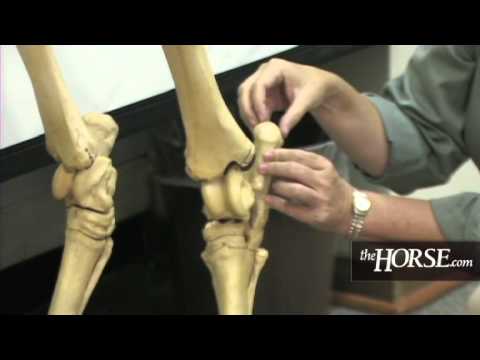
So, picture this: you’re at the barn, watching a horse strut around like it owns the place. Seriously, these animals are like living sculptures. But have you ever thought about what’s happening underneath all that beautiful fur?
Horse bones! It’s not something you think about every day, right? I mean, they’ve got some seriously cool anatomy going on. Just think about it—there’s a reason they can run so fast and jump so high. Their skeleton is built for performance!
And you know what’s even crazier? Horses have over 200 bones in their bodies! That’s a whole lot of structure holding up all that grace and power. Let’s take a chill look at their skeleton and see what makes these magnificent creatures tick (or trot)!
The Most Sensitive Areas of a Horse’s Body: Insights from Equine Anatomy and Physiology
So, let’s talk about horses and the sensitive areas of their bodies. You might not think of them as creatures that need much pampering, right? But these majestic animals have some seriously sensitive spots that are key to their anatomy and overall health.
To start off, it’s helpful to know that horses have a pretty complex structure. Their **skeleton** consists of around **205 bones**, which support massive muscles and help them run faster than most animals. But when thinking about sensitivity, we’re not just talking about bones; we need to consider where their nerves and soft tissues are.
One of the most sensitive areas is the **muzzle**. It’s packed with nerve endings, which is why horses can be so touchy-feely with their noses. They use this area for exploring their environment, smelling treats, or even saying hello! The muzzle allows them to sense things around them effectively.
Then there’s the **flank**, which is located just behind the ribcage. This area can be ticklish too! Horses often react when you touch here since it can feel vulnerable for them. Think about it: they depend on this region for movement and balance while running or jumping.
Another important spot is near their **ears**. Horses have highly mobile ears and rely on them to detect sounds from different directions—kind of like radar! Pulling or tugging on a horse’s ears is not only rude; it can lead to stress or anxiety.
Now, let’s get into those legs—specifically the **hocks** and **fetlocks**. These joints are crucial for movement but are also filled with nerves and soft tissues making them quite sensitive too. If you’ve ever seen a horse flinch at a sudden touch there, you’ll know what I mean!
Also noteworthy is the **back area**, especially along the spine. While horses have strong muscles along their back for support, that doesn’t mean it should be overlooked when it comes to massage or saddling up. A sore back can lead to issues in riding performance or overall moodiness.
The soles of their feet deserve a mention too! Horses rely heavily on their hooves for movement, but these areas are delicate as well due to numerous nerve endings that provide feedback about the ground they walk on.
So next time you’re around a horse, take a moment to appreciate these little details in anatomy. If you’re giving one some love—or maybe trying out some grooming techniques—keep in mind where those sensitive spots are! Learning where they feel comfortable helps build trust between humans and these magnificent creatures. It’s all about understanding each other better!
Comparative Anatomy: The Unique Human Hyoid Bone Unlike Horses
The hyoid bone is like this cool little anchor in your neck that holds your tongue and helps you swallow. Seriously, without it, you couldn’t make those funny faces when you’re trying to eat soup! It’s not just any bone; it’s the only bone in the human body that doesn’t connect directly to another bone. Pretty neat, right?
Now, let’s chat about how our hyoid differs from that of horses. You know how horses have these massive, powerful jaws and can munch on all kinds of grasses? Their hyoid is shaped to support their lifestyle, which revolves around a lot of chewing and swallowing without needing much fancy movement for speech or complex eating habits like we do.
The human hyoid is a bit U-shaped, almost like a little bat. This unique shape allows for more flexibility and movement of the tongue. That’s why you can talk so easily! The horse’s hyoid, on the other hand, is more rigid and designed to maintain stability while they chew and graze for hours on end. Imagine trying to chew with a flexible piece of spaghetti in your mouth—it wouldn’t work so well!
- Location: In humans, the hyoid hangs just above the larynx (your voice box). In horses, it’s positioned similarly but has structural differences that suit their needs.
- Function: For us humans, it’s crucial for speech and swallowing. Horses primarily use it for swallowing large amounts of forage quickly.
- Anatomy: Our hyoid has several portions: the body and two sets of horns (greater and lesser). Horses have a simpler structure without those extra bits.
Just thinking about my last trip to a farm… I remember watching a horse munching away at hay like it was gourmet food! It was kind of mesmerizing—there’s something beautiful about how nature designs these different systems. Seeing how their bones work together gave me an appreciation for how our bodies are built so differently according to our lifestyles.
In summary, while both humans and horses have hyoid bones serving similar purposes in terms of swallowing, their shapes reflect very different evolutionary paths. Basically, yours is more about finesse while theirs is all about function for grazing—kind of sums up our species’ differences well!
Unearthing History: The Discovery of the Oldest Horse Skeleton and Its Significance in Paleontology
So, let’s chat about this pretty amazing discovery—the oldest horse skeleton ever found. Picture this: scientists just uncovered a fossil that dates back to around 4 million years ago, and it’s like unlocking a time capsule of ancient equine history. Seriously, when you think about it, it’s like finding the great, great ancestor of all modern horses!
The horse skeleton was unearthed in North America, which is a big deal because it helps paleontologists piece together the story of how horses evolved over time. Understanding their anatomy and lineage can give us insights into not just horses but also how they adapted to changing environments. Like, why did they get bigger? Why did their teeth change? These questions pop up when we analyze these ancient remains.
Now, when you look at the skeleton itself, it’s fascinating how much we learn from its anatomy. For instance:
- Teeth: The way their teeth are worn down tells us what they ate. Grass? Leaves? It’s like their diet is written in stone—or, well, bone.
- Limb structure: The bones show how they moved across different terrains. Were they fast runners or more like leisurely joggers?
- Size comparison: By comparing these remains with modern horses, we can see trends in size changes through various eras.
I remember reading about a study where scientists used advanced imaging techniques on older fossils to create 3D models. It was almost like bringing these ancient animals back to life in a digital sense! They could even determine muscle attachment points and estimate how strong these animals were compared to today’s horses.
And speaking of significance—this discovery isn’t just a win for horse enthusiasts. This contributes to our understanding of environmental changes throughout history. You see, horses once roamed vast grasslands that have since transformed into deserts or forests due to climate shifts. Learning about their adaptations can shed light on current species facing extinction due to similar changes today.
Plus, looking at the evolutionary tree of equines showcases some real twists and turns. There were even relatives that looked more like tiny zebras or large tapirs rather than the majestic steeds we think of now. Isn’t that wild?
In summary, unearthing the oldest horse skeleton is a treasure trove for researchers and anyone curious about our planet’s history. It opens up dialogues about evolution, adaptation, and environmental interaction while pulling back the curtain on our own relationship with animals over millions of years. So next time you see a horse galloping by in a field or park, remember there’s a whole lot more going on beneath the surface—like an ancient family reunion waiting to be uncovered!
You know, I was chatting with a friend the other day who’s super into horses. We got into this whole discussion about horse anatomy, and I realized how fascinating their skeletons are! Seriously, it’s a wild adventure just waiting to be explored.
So let’s start with the basics. Horses have around 205 bones in their bodies. Yeah, that sounds like a lot, but it’s pretty much in line with what you’d expect for something of their size. When you look at them galloping across a field, all those bones work together like an incredible machine. And it’s not just about looking cool; every piece has its role.
One aspect that grabbed my attention is the way their legs are structured. Horses have long, strong leg bones because they need to run fast and far—like, imagine being chased by a lion! Their leg bones are designed for speed and endurance. There’s this unique feature called the “stay apparatus” that allows them to lock their legs so they can sleep while standing up! Isn’t that mind-blowing? You could totally see one napping away while you’re out on a leisurely trail ride.
And speaking of movement—did you know that horses have more flexibility in their necks than we do? Their cervical vertebrae allow them to turn and twist in ways that help them communicate and navigate through tight spaces. Picture this: a horse throwing its head up high as a signal to another horse or bending low to graze on some grass. It’s poetic!
But what really gets me is how fragile yet powerful their skeletons are. Like, they can withstand so much stress when racing or jumping over hurdles; but if something goes wrong—like an injury or incorrect training—you can really see how delicate the balance is. I mean, one small fracture can put them out of action for months! It makes me think about how important it is for owners and trainers to understand these creatures inside out.
Horses also have specific adaptations based on what they’ve evolved for over thousands of years—like the differences between racehorses and draft horses. Each breed boasts its own unique skeletal structure tailored for its purpose. Can you imagine being part of all those years of evolution?
At the end of the day, understanding equine skeleton anatomy isn’t just about knowing where each bone sits; it’s about appreciating these majestic animals even more deeply. It’s like peeling back layers of history and biology to see how they function in ways we might take for granted when we’re just riding or watching them in action.
So next time you see a horse zooming past or grazing peacefully under a tree, take a moment to think about all those bones working together seamlessly—just like an orchestra playing in perfect harmony! It makes me smile thinking about it now; there’s so much going on beneath that shiny coat!