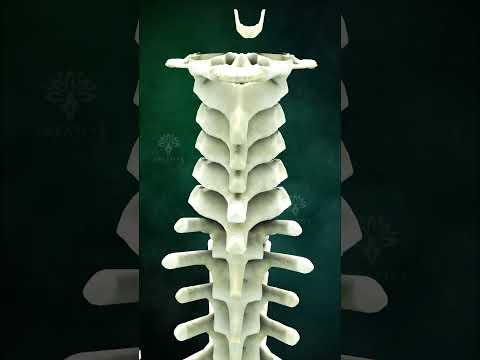
You know that moment when you accidentally trip over your own feet and think, “Wow, how does my body even hold itself together?” It’s a funny thing to ponder, right? But seriously, the human body is like this incredible machine made up of bones and muscles.
Ever seen a skeleton model? They’re kind of creepy but super cool at the same time! Picture this: you walk into a classroom or maybe a museum and there it is—a life-sized skeleton just chilling. It’s like meeting your own clone, minus the flesh.
These models aren’t just for Halloween vibes; they’re a key to understanding how our bodies work. They show us everything from how we move to where our organs are hanging out. Gotta appreciate those bones! This article dives into why these skeletons are such an important part of science—like your best friend that helps you figure out what’s really going on inside!
Ethical Considerations in the Use of Human Skeletons for Medical and Scientific Education
So, let’s chat about the whole ethical thing going on when it comes to using human skeletons in medical and scientific education. It’s a pretty delicate subject, and you might be surprised at how deep it can go.
First off, you should know that human skeletons are vital in teaching anatomy. They give students a clear view of how our bodies are constructed. But then there’s the big question: where do these skeletons come from? The source is crucial here. It’s not just about having one; it’s about how it was obtained.
- Consent: Imagine someone using your body for science after you’re gone without asking. Gross, right? So, consent is key! In many places, ethical guidelines require that the donors (or their families) give permission for their remains to be used.
- Respect: Treating these skeletons with respect is super important. They were once living people with families and lives. Handling them thoughtlessly can be seen as disrespectful.
- Cultural Sensitivity: Different cultures have various beliefs about death and what happens afterward. Some might find the use of human remains completely unacceptable, while others may view it differently.
Then there’s education. It’s essential for medical students to get practical experience with real human anatomy—which helps them understand things like how injuries impact actual bones—rather than just looking at pictures or models all the time. But this education needs to be balanced with an ethical framework.
A good example is when schools or institutions decide to use **donated** human skeletons that come from legitimate sources—like medical schools that follow strict regulations for obtaining cadavers and bones.
But let’s also think about what happens when skeletals are misused or treated inappropriately; it can lead to a really negative perception of scientific practices. It might even cause public outcry against educational institutions if they don’t handle contributions ethically.
Oh! And think about advancements in technology today! We have 3D printing and virtual reality that can help bridge some gaps without relying solely on physical skeletons. Imagine learning anatomy through interactive models instead! That could ease some ethical concerns while still offering rich educational experiences.
So, basically, while using human skeletons is incredibly valuable in educating future doctors and scientists, it’s crucial we keep those ethics front and center every step of the way. Balancing respect, consent, and cultural awareness can help ensure that we’re honoring lives even as we explore the mysteries of our own biology!
Understanding Osteology: The Scientific Study of Skeletal Anatomy
Osteology is the study of bones and skeletal structures. Now, you might think bones are just hard stuff holding us up or, like, just a part of our bodies we don’t pay much attention to. But there’s so much more to them!
First off, bones are super cool. They’re living tissue! Yes, really! Our bones are constantly changing and adapting. They break down old cells and replace them with new ones, which is part of what keeps our skeleton strong.
When you look at a human skeleton model in science class, it’s not just a bunch of bones stuck together. It’s a detailed map showcasing our anatomy. Each bone has its own name and function. For example:
Each bone plays an important role in how we move and function every day. The connection between bones allows for movement; that’s where the joints come in. Think of them as little hinges making sure everything works smoothly when you groove to your favorite tune or chase your dog around the yard.
Now here’s something that gets emotional—I remember an anatomy class where we had to study human skeleton models. Some students were freaked out about touching them! I mean, sure it’s creepy at first glance, right? But when you really dig into it—understanding how everything fits together—it’s pretty breathtaking how complex yet beautifully designed we are!
In addition to learning about movement and protection, osteology also helps us understand historical contexts. Skeletons found in archaeological digs tell stories about ancient peoples—their lifestyles, health issues, and even their diets. This can show us how humans have evolved over time; it’s like reading history through someone else’s bones!
But wait! There are various types of bones too! These can be classified as long bones (like those in arms and legs), short bones (like those in wrists), flat bones (like your skull), and irregular bones (like some vertebrae). Each type suits its specific function well.
Understanding osteology goes beyond science; it’s an intersection of biology, anthropology, archaeology… all kinds of fun stuff! You start to appreciate not only how bodies work but also who we are as humans.
So next time you’re near one of those skeleton models or think about your own skeleton—remember that underneath all that skin is an intricate structure with stories to tell… if only they could talk!
Exploring the Discovery of Giant Human Skeletons: Myths and Scientific Evidence
So, let’s dig into the whole deal about giant human skeletons. You might’ve heard stories or seen some wild photos claiming to show these massive bones—like, way bigger than your average human. But are these things real, or just myths swirling around? Buckle up!
First off, the fascination with giant skeletons isn’t new. Ancient texts and legends abound with tales of giants walking the Earth. But a lot of these stories come from various cultures trying to explain unusual structures they found or strange fossils that didn’t quite fit. It’s like when kids find an oddly shaped rock and spin a wild story about it being a dinosaur egg!
Now, about those so-called “discoveries” of giant remains—it’s a mixed bag. Sometimes, people genuinely believe they’ve found something monumental. But more often than not, it turns out to be either misidentified animal bones or even hoaxes! Yes, it’s true; there have been cases where people made fake skeletons to pull one over on the gullible.
Here’s where science comes in handy! Anthropologists and archaeologists use various techniques to investigate these claims thoroughly. They analyze skeletal remains looking for specific markers—like bone structure and size ratios—to determine if what they’re dealing with is human or something else entirely.
Oh! And here’s an anecdote for you: I remember reading about an old tale where folks claimed they unearthed a giant’s grave in their backyard during construction work. They thought they struck gold! After thorough investigation by scientists—complete with careful excavations—it turned out to be nothing more than an elaborate prank from years back.
Then there are scientific models of human anatomy that shine a light on our understanding of physical structures without relying on myths. These models allow students and researchers alike to explore how our bones fit together—like pieces in a puzzle—and learn how growth variations happen without needing exaggerated stories about giants.
In short, while the allure of gigantic human skeletons captivates many imaginations, there’s little scientific backing for such claims. Most evidence points towards misinterpretations or outright lies wrapped in folklore. It’s essential to lean on science with its rigorous methods when investigating history rather than getting swept away by sensationalism.
So next time you hear about those towering giants supposedly roaming our ancestors’ world, remember there’s likely more myth than reality behind them! Keep your curiosity alive but fact-check along the way; it makes all the difference!
You know, there’s something pretty incredible about the way we learn about our own bodies. I remember back in school, the first time I saw a human skeleton model—it was like looking at a puzzle with all the pieces just laid out in front of you. The whole class was kind of buzzing with excitement and maybe a little fear. I mean, here was this lifeless form that held so many secrets about how we function.
When you look at a skeleton model, it’s like each bone tells a story. Ever thought about how your skull protects your brain? Or how your ribcage cradles your lungs? It’s wild to think that these hard structures are essential for everything we do. That’s basically your framework! It supports your entire body and allows for movement, while also protecting vital organs—seriously impressive.
These models are super helpful for students in science classes because they provide a visual representation of what we’re learning. Feeling those bones—either through touch or just by simple observation—makes things click in our minds, you know? They give us this tangible connection to anatomy that textbooks just can’t quite capture.
But here’s where it gets even cooler: understanding our skeleton is also a path to appreciating life itself. Think about it, every time you move—like when you reach for that last slice of pizza or jump to catch a ball—it’s all those bones working together. There’s this beautiful harmony in how muscles attach to bones, allowing us to do all sorts of amazing things.
And honestly, there’s something provoking when you really consider our mortality in relation to these skeletal models. They remind us that beneath the skin and fluff lies this architecture built over millions of years of evolution. It’s kind of humbling when you let that sink in.
So yeah, using human skeleton models isn’t just about learning biology; it’s an invitation to reflect on who we are as living beings and what it means to be human. Each skeletal frame connects us all through shared biology and history, which is pretty profound when you think about it!