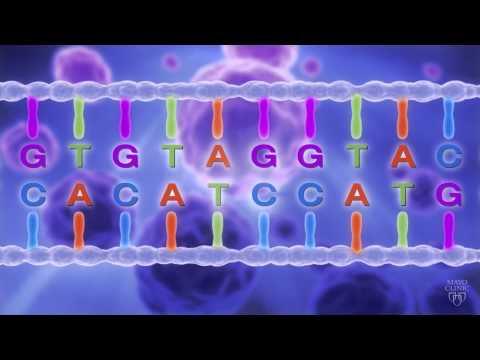
You know, the other day I was watching this documentary about DNA, and I thought, “Wow, my genetic makeup is basically a personalized recipe that makes me…me!” Crazy, right? It’s wild how something so tiny can hold the key to so much of who we are.
So many new breakthroughs in genome research are popping up lately. Just imagine—a world where we can identify genetic disorders before they even happen or even tailor medical treatments just for you. It sounds like something out of a sci-fi movie!
But seriously, this stuff is happening now. And it’s opening doors to understanding not just our health but also evolution, ancestry—like that annoying cousin who always brings up your family tree at reunions! You’re going to want to stick around for this.
Unlocking the Future: The Transformative Impact of Genetic Research Advancements on Human Health
So, let’s talk about genetic research and how it’s shaking things up in the world of human health. The whole idea of genetic advancements is kind of mind-blowing. I mean, we’re talking about understanding the very building blocks of life, which is pretty deep stuff.
You see, genes are like little instruction manuals for our bodies. They tell our cells how to grow, develop, and function. But here’s the kicker: even small changes in these instructions can lead to big differences in health outcomes. Imagine if you could pinpoint these changes before they cause any real trouble. That’s where genetic research comes into play.
One of the coolest breakthroughs lately has been in genome sequencing. It used to take forever and cost a ton of cash to sequence a genome—like thousands of dollars! But now? You can do it for just a few hundred bucks and pretty quickly too. This means that more people can have their genetic info analyzed, which opens up a treasure trove of possibilities for personalized medicine.
Think about it this way: if a doctor knows your unique genetic makeup, they can tailor treatments specifically for you. If you’ve got a family history of something like heart disease or cancer, they can spot those risk factors much earlier on. By addressing issues before they escalate, we’re basically stepping into a whole new era of preventive care.
Another real game changer has been CRISPR technology. This nifty tool lets scientists edit genes with incredible precision. So let’s say there’s a gene responsible for a particular disease; researchers can potentially snip it out or fix it up! It’s like changing a typo in your favorite book—you’re correcting that mistake so the story turns out better.
And then there are projects like 100,000 Genomes Project that aim to create massive databases linking genetics to health conditions. Imagine having access to heaps of data showing how different genes affect diseases across diverse populations! This means better treatments and maybe even cures down the line.
But hold up; it isn’t all sunshine and rainbows with this tech. There are some serious ethical questions swirling around too—like who gets access to this information? Or what happens if we start ‘designing’ babies? You’ve got folks worried about where we draw the line when it comes to tinkering with human genetics.
So yeah, while genetic research is truly advancing at lightning speed, it’s vital we keep our eyes wide open. We’ve got fantastic opportunities ahead but also responsibilities we need to reckon with as we navigate this uncharted territory.
In short, advancements in genome research could totally transform human health—from predicting diseases early on to customizing treatment plans based on individual genetics. The future looks promising but let’s not forget about the ethical dilemmas awaiting us as we step forward into this brave new world!
Revolutionizing Medicine: Key Scientific Advances Achieved Through Human Genome Research
Sure thing! The human genome, wow, it’s like this massive instruction manual that tells our bodies how to function. It’s got about 3 billion DNA base pairs, and those are basically the building blocks of life. When scientists cracked the genome code, it opened up a whole new world in medicine.
One of the coolest things is **personalized medicine**. Basically, instead of a one-size-fits-all treatment approach, doctors can tailor therapies based on your genetic makeup. Imagine knowing exactly which medication will work best for you—like having your own custom prescription! That’s thanks to understanding genetic variants that can affect how people respond to drugs.
Another big deal is **genetic testing**. Now, we can figure out if someone has a risk for certain diseases just by looking at their genes. For instance, let’s talk about breast cancer and genes like BRCA1 and BRCA2. If you have mutations in these genes, your chances of developing breast cancer can skyrocket. Early detection means earlier interventions which could save lives!
And then there’s **gene therapy**. This field is super exciting because it aims to fix or replace faulty genes causing disease. Think of it as a software update for your cells! One famous example is CAR-T cell therapy used for certain types of blood cancers. Doctors take T-cells from a patient’s blood, modify them to better attack cancer cells, and then put them back into the patient’s body.
Let’s not forget about **CRISPR**, too! This gene-editing technology has taken things to another level. It allows researchers to make precise changes in DNA with incredible ease—like using scissors on a piece of paper but much more complex! It holds immense potential for treating genetic disorders and even eradicating diseases like sickle cell anemia.
So why does all this matter? Well, understanding our genome means we’re not just guessing when it comes to healthcare anymore; we’re actually being scientific about it! This could lead us toward more effective treatments and possibly even cures for diseases that previously seemed insurmountable.
In summary:
- Personalized medicine: Treatments tailored to your genetic profile.
- Genetic testing: Identifying risks through gene analysis.
- Gene therapy: Fixing or replacing faulty genes.
- CRISPR technology: Precise gene editing capabilities.
Isn’t it amazing how far we’ve come? Just think about all these possibilities ahead in medicine due to human genome research—it really does revolutionize how we think about health and disease!
Exploring the Latest Advancements in DNA Sequencing: Innovations Transforming Genetic Research
So, let’s chat about DNA sequencing for a minute. You know, that whole process where scientists read the genetic code of living things? It’s pretty wild how fast this field is evolving. Just a decade ago, sequencing a single human genome took more than ten years and cost millions of dollars. Crazy, right? Now we’re looking at days or even hours with prices dropping to just a few hundred bucks.
One of the latest advancements is called “next-generation sequencing” (NGS). NGS has really changed the game. Instead of reading DNA one piece at a time, it can read millions of fragments simultaneously. Imagine trying to read an entire library by having multiple people read different books all at once! That’s what NGS does for genomic data.
With NGS, we can explore everything from rare genetic disorders to cancer research in ways we could only dream about before. For instance, researchers can pinpoint mutations that might lead to diseases much quicker now. This means earlier diagnosis and treatment options for patients—seriously lifesaving stuff.
And then there’s single-cell sequencing. This technology digs deeper—like being able to examine each individual cell rather than just looking at a bulk sample made up of many cells. It helps scientists understand how different cells in the same tissue can behave differently, which is super important in cancer research because even a tiny mutation can mean big issues down the line.
Another cool aspect is metagenomic analysis, where scientists sequence DNA from environmental samples—like soil or ocean water—to figure out what kind of microbes are living there without needing to grow them in a lab first. That opens up so many doors for understanding ecosystems and developing new antibiotics from natural sources.
Of course, all these advancements come with their own sets of challenges too! The sheer volume of data generated requires advanced computing power and clever algorithms to analyze everything properly. Otherwise, you might just end up swimming in numbers and not finding anything useful!
But here’s the kicker: all these innovations are helping bridge gaps in our understanding of genetics and its effects on health and disease. They’re driving research that could lead us toward personalized medicine, where treatments are tailored specifically for individuals based on their genetic makeup.
Just think about it—you go into a clinic with an illness, and they give you treatment based on your DNA profile! That’s kind of like science fiction becoming reality!
To wrap it up: advancements in DNA sequencing are transforming genetic research by making it faster and more precise while opening doors for discoveries that could change lives. It’s really exciting times we live in when science feels like it’s racing forward!
You know, when I think about genome research, it’s like peeking into the instruction manual of life. And wow, have we come a long way! Just a few decades ago, figuring out what makes us tick was akin to trying to read a book in a language you don’t speak. Now? It’s like we’ve not only learned that language but are starting to write our own stories.
I remember sitting in a biology class once, surrounded by friends who were half-asleep as the teacher talked about DNA. Honestly, I was kind of zoning out too until they mentioned CRISPR. Suddenly, it hit me—this wasn’t just textbook stuff; it was revolutionary! Imagine being able to edit genes like you’d edit a Word document. It felt like we were stepping into a sci-fi movie. So cool!
The significance of advancements in genome research is huge, though—it’s not just about flashy tech and cool science lingo. This research can lead to breakthroughs in treating diseases that used to feel insurmountable—like certain cancers or rare genetic disorders. Being able to pinpoint exactly where things go wrong in our genes could mean targeted therapies that kick those health issues in the butt.
And then there’s the whole aspect of preventing diseases altogether! If we can figure out how genes influence conditions before they even manifest, well, that might change the way we think about healthcare entirely. You’d be looking at a future where some kids might never have to deal with what their parents faced because they were screened and treated before anything serious developed.
But hey, with all this power comes responsibility, right? There’s always that nagging question about ethics—like where do we draw the line? Editing embryos could spark debates hotter than any political campaign. Are we playing God? Or are we just helping nature along? It’ll be interesting to see how society navigates these waters as science keeps pushing forward.
So yeah, genome research is more than just fancy tools and methods; it’s a glimpse into our future—a future with lots of potential and also some pretty big questions we still need to figure out together. Exciting times ahead!