You know, I once heard someone say that mitochondria are the “powerhouses” of the cell. At first, I thought it was just some nerdy way to impress people at parties. But then I realized there’s actually a lot more going on under the hood than just cranking up energy levels.
So, picture this: you’ve got your fancy smartphone, right? All those little apps running smoothly? Well, the way your phone needs power to function is kinda like how cells need mitochondria to stay alive and kickin’.
But here’s the twist—mitochondria have their own DNA! Yeah, that’s right. It’s not just about energy; it’s about how they keep everything ticking. The structure of their genome is like a secret code that tells them what to do.
Let’s get into why this little powerhouse is such a big deal in biology. Buckle up!
The Significance of the Mitochondrial Genome in Modern Science: Insights into Evolution, Disease, and Energy Production
So, let’s chat about mitochondria, those little powerhouses of the cell. You know, they’re like the batteries that keep our cells running smoothly? But there’s something even cooler about them: they have their own DNA, known as the mitochondrial genome. This genome is pretty significant in modern science for a few reasons.
To start, the mitochondrial genome plays a big role in understanding evolution. It’s different from the DNA you find in your nucleus. While nuclear DNA comes from both parents, mitochondrial DNA (mtDNA) is passed down only from your mother. This maternal inheritance makes it super valuable for tracing ancestry and studying evolutionary relationships between species. Imagine being able to track back your lineage just through this tiny piece of genetic material!
But there’s more to it. Mitochondrial DNA has also been linked to certain diseases. Mutations in mtDNA can lead to a variety of health problems, particularly those affecting energy production because mitochondria are crucial for converting nutrients into energy. Conditions such as Leigh syndrome or mitochondrial myopathy are examples where faulty mitochondria play a starring role. It’s like your body has short-circuited its power supply.
- Energy Production: Here’s where it gets interesting! Mitochondria generate ATP (adenosine triphosphate), which is basically the energy currency of our cells. When things go awry with mtDNA, it affects ATP production and leads to fatigue and other issues.
- Aging: Some researchers think that mitochondrial function influences aging processes too. There are theories that suggest declining energy production over time contributes to age-related diseases and overall cellular decline.
- Mitochondrial Replacement Therapy: This cool procedure involves replacing defective mitochondria in an embryo with healthy ones from a donor egg. It’s raising hopes for tackling certain inherited conditions.
The thing is, studying the mitochondrial genome isn’t just about understanding what went wrong when diseases strike; it’s also about getting insights into how life evolved on Earth. The original theory suggests that mitochondria were once independent bacteria before they teamed up with early eukaryotic cells—a partnership that was like one of those classic buddy comedies! This endosymbiotic theory shows how vital these little guys are not just for us but for all complex life forms.
A fun story: during my research days, I once tried sequencing some mtDNA just out of curiosity; I wanted to see if I could match my lineage back further than my family tree showed me. The thrill of learning something new—like how connected we all are through these tiny genomes—was so exhilarating!
The presence of this unique mitochondrial genome definitely adds depth to our understanding of biology today. From unlocking secrets about human evolution to unraveling disease mechanisms and developing innovative therapies—the mtDNA will continue being at the forefront of scientific exploration and discovery.
Mitochondria might seem small on their own, but don’t underestimate their impact on science! Seriously! They’re like tiny superheroes within our cells!
Understanding the Structure of the Mitochondrial Genome: Insights from Molecular Biology
Sure! Let’s talk about the mitochondrial genome, which is really interesting because it’s like the tiny power plants of our cells. These little guys are mostly known for producing energy, but their genome structure is just as fascinating.
Mitochondria, those cute little organelles, have their own DNA, separate from the DNA in the nucleus of our cells. This DNA, called mitochondrial DNA (mtDNA), is circular and quite small compared to nuclear DNA. In humans, mtDNA has about 16,500 base pairs! That’s a fraction of what you find in your regular nuclear genome.
Now, why is this important? Well, the structure of mitochondrial DNA helps in a few key ways. For starters:
- Energy Production: The genes encoded in mtDNA are crucial for creating proteins needed in the mitochondria for energy production through a process called oxidative phosphorylation.
- Maternal Inheritance: Mitochondrial DNA is passed down from mother to child. This means that any mutations or genetic traits traced to mtDNA come solely from your maternal lineage.
- Evolutionary Insights: Researchers study mtDNA to trace back human evolution and migrations. Since it changes slowly over generations, it serves as a sort of molecular clock.
Now here’s the thing: over time, mutations can occur in mitochondrial DNA. Some of these mutations can lead to serious diseases. Think about how powerful this is! These tiny changes can affect how well our cells generate energy and can even lead to conditions like mitochondrial myopathy— which sounds fancy but just means muscle weakness because those muscles aren’t getting enough energy.
Oh! And let’s not forget that mitochondrial diseases often manifest early on. Imagine a parent who always seems tired and has muscle problems; it could be linked back to that nifty little mtDNA messing with their mitochondria.
In summary:
The structure of the mitochondrial genome plays an essential role in various biological processes—from energizing our cells to providing clues about our ancestry. And knowing more about it helps scientists unlock mysteries behind certain diseases and understand human history better.
So next time you think about mitochondria being just “the powerhouses” of your cells, remember all that fascinating stuff hidden within its tiny genome! Who knew such intricate things were happening on such a small scale? It’s all pretty amazing when you stop and think about it!
The Significance of Mitochondrial Structure in Cellular Function and Energy Production
Mitochondria are often referred to as the “powerhouses of the cell.” They play a crucial role in producing energy. But what really makes them special is their structure. Let’s break it down, shall we?
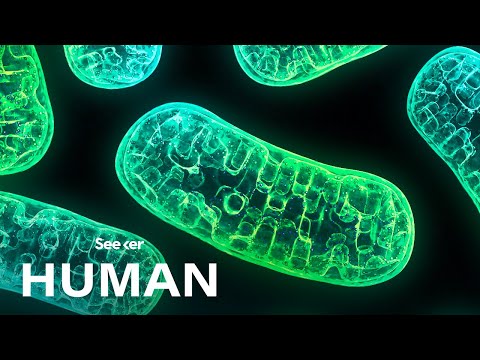
First off, mitochondria have a double membrane. You’ve got an outer membrane that’s smooth and a fascinating inner membrane that’s folded into what are called **cristae**. These folds increase the surface area, which is super important for energy production. Think of it like having more room to put solar panels on your roof; more panels mean more energy!
Inside the inner membrane, there’s a space known as the **matrix**. This is where some serious biological magic happens! The matrix contains enzymes that are involved in the citric acid cycle (or Krebs cycle if you’re feeling fancy). Here, molecules derived from food are broken down to produce energy-rich compounds.
Now, about that mitochondrial genome—yeah, mitochondria have their own DNA! This little bit of genetic material is circular and distinct from the DNA found in the nucleus of our cells. One cool thing? Mitochondrial DNA is inherited solely from your mother. So if you ever wanted to know where your mitochondrial genes come from, just look at Mom!
You might wonder why this lineage matters. Well, health issues can arise when there are mutations in mitochondrial DNA, affecting how efficiently these powerhouses work. Diseases like **Leigh syndrome** or some forms of muscular dystrophy stem from such issues.
Another neat function of mitochondria involves how they regulate cell death—a process called **apoptosis**. When things go south for a cell—like if it gets infected or damaged—mitochondria can signal for it to self-destruct in a nicely organized way instead of just bursting all over the place causing chaos.
Plus, those cristae aren’t just pretty—they also house proteins essential for energy production via something called *oxidative phosphorylation*. Here’s where ATP comes into play! ATP (adenosine triphosphate) is the main energy currency in cells, and it’s generated right here.
In summary:
- Mitochondrial structure, with its double membranes and cristae, increases efficiency in energy production.
- Mitochondrial DNA is unique and inherited only from our mothers.
- Mutations in this DNA can lead to various diseases.
- Mitochondria also play a role in regulating apoptosis.
- They’re crucial for generating ATP through oxidative phosphorylation.
Mitochondrial health can affect everything—from metabolism to aging. So when we think about cellular function and overall health, those tiny organelles deserve some serious credit!
So, let’s chat about mitochondria. You know, the little powerhouses of our cells? They’re not just known for producing energy, which sounds pretty cool on its own. But there’s much more to these guys than meets the eye!
Mitochondria have their own set of DNA, called the mitochondrial genome. It’s kind of like a mini instruction manual just for them. This genome is circular and fairly small compared to our regular DNA – think of it as a tiny cookbook holding recipes specifically for making energy and keeping themselves functioning properly. Imagine if you had a separate recipe book just for your morning coffee—it’s that specialized!
One emotional moment I remember was when my grandmother was in the hospital after a tough surgery. The doctors explained how her cells were struggling to produce enough energy because, well, her mitochondria were not doing their job right due to age and health issues. I mean, it hit me then how deeply interconnected our bodies are—they really rely on these little guys to keep life going smoothly.
Now, this mitochondrial genome structure is crucial in various ways. For starters, mutations in this genetic material can lead to all sorts of diseases. Ever heard of mitochondrial myopathy? It’s caused by problems in those genes and can seriously impact muscle function and energy levels. So you see how significant it can be?
But there’s also this fascinating twist: we inherit our mitochondrial DNA only from our mothers! Yup, makes sense when you think about it. While dad gives us half of our regular DNA through sperm cells during conception, mom’s egg is where that mitochondrial magic comes from—it stays around for a lifetime.
And get this—researchers are even using this information to trace human ancestry or study population migrations over time! By looking at variations in mitochondrial genomes across different groups, scientists can piece together migration patterns—basically a biological family tree that gives us hints about where we came from.
So yeah, the structure and significance of mitochondrial genomes is way deeper than just powering up cells. It intertwines with health issues and even connects us across generations! Just think about that next time you’re sipping your coffee—you might be getting some extra energy from your mom’s mitochondria while reminiscing about past family stories! That connection makes everything feel a bit more special, don’t you think?