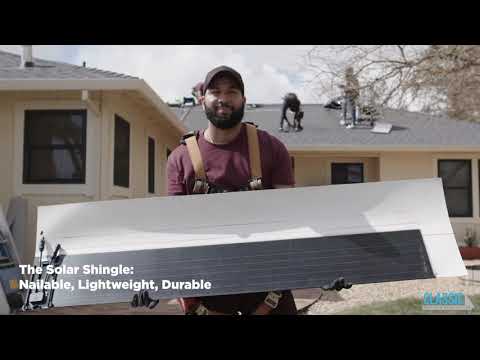
You know that feeling when you get really into a show and suddenly realize the credits are rolling? Like, where did the time go? Well, that’s kinda how I feel about solar energy lately. It’s like this amazing world we’re just starting to discover, and it’s changing fast.
So picture this: solar shingles! No more giant panels on your roof looking all awkward. Nope, these bad boys blend right in. Imagine getting power from your roof without it looking like a spaceship landed in your backyard. Pretty cool, right?
Timberline Solar Shingles are shaking things up in a big way. They’re both functional and stylish, which is not something you hear every day about your roof. So let’s chat about the science behind all this innovation and see why it might just be the next big thing for homeowners everywhere!
Understanding the GAF Timberline Lawsuit: Implications for Roofing Science and Material Integrity
The GAF Timberline lawsuit revolves around some serious claims about their solar shingles technology. It all started when a few consumers pointed fingers at the shingles, saying they didn’t perform as advertised. Basically, they thought these shingles were supposed to do more than just look good on the roof; they wanted them to be super efficient at generating solar energy too.
Now, this is where it gets interesting. The lawsuit isn’t just about unhappy customers — it raises questions about how we assess roofing materials and their integrity. You see, roofing systems have to withstand a lot: harsh weather, UV rays, and even hail. If manufacturers don’t stand by their products or if something goes wrong during installation or production, it could lead to serious issues down the line.
So what are the implications for roofing science? Well, here’s a few points to think about:
- Material Testing and Standards: The lawsuit highlights the need for rigorous testing of materials before they hit the market. If a product claims to deliver energy efficiency but risks roof integrity instead, that’s a big red flag.
- Consumer Trust: When people invest in solar shingles or any new tech for their homes, they expect some level of reliability. This case shakes consumer confidence in innovative roofing solutions.
- Renewable Energy Trends: With so much push for sustainable energy sources out there, lawsuits like this can slow down progress. Manufacturers might become overly cautious and hesitant to invest in new technologies.
Now let’s chat about material integrity. When you install something like solar shingles on your roof, it’s not just decoration; they need to work effectively as both a roofing material and an energy collector. Issues can arise if these shingles are not meeting durability standards — literally leaving homeowners in hot water if leaks occur! So if this lawsuit leads to better regulations or clearer guidelines on quality checks? That could mean safer homes in the long run.
And don’t forget about innovation! Blame isn’t just tossed around without real consequences. Companies will likely rethink their designs and production processes moving forward because nobody wants a repeat situation like this one. It pushes everyone towards better practices.
In short, the GAF Timberline lawsuit is more than just legal drama; it opens up discussions on how we view roofing materials in relation to safety and effectiveness. So next time you’re looking at that shiny new rooftop tech? Just remember there’s a lot that goes into making sure it’s solid—not just good-looking!
Evaluating the Efficiency of Timberline Solar Shingles: A Scientific Perspective
So, Timberline Solar Shingles? They’re kind of cool, right? Imagine your roof not just keeping you dry but also generating electricity. That’s the deal here! But how do we actually evaluate their efficiency? Well, let’s break it down.
First off, what are these shingles made of? Timberline Solar Shingles are composed of traditional roofing materials combined with solar technology. Essentially, they look like your average shingles but have solar cells integrated into them. This is a big win because you get the benefits of both roofing and solar power without a bulky setup.
Now, let’s talk about efficiency. It’s a buzzword you hear all the time when you’re talking about renewable energy. In simple terms, efficiency refers to how much solar energy gets converted into usable electricity. Most typical solar panels have an efficiency rating between 15% to 22%. The Timberline shingles aim to compete here, so how do they stack up?
- Efficiency Rating: These shingles typically fall in that same range of around 20%. It means if the sun sends down 100 units of energy, you can expect about 20 of those units to be converted into electricity.
- Aesthetics: One advantage is they are designed to look like regular shingles. This aesthetic appeal might encourage more homeowners to consider solar options.
- Installation: Unlike traditional solar panels that require racking systems and can be quite bulky, these shingles can go directly onto your roof like normal ones. It may simplify things for installers and save time.
But remember: effectiveness isn’t just about the numbers. Sometimes it’s about where you live too! You see, places with lots of sunny days will obviously get more use from these shingles compared to somewhere that’s mostly cloudy or rainy.
Another really important point is detection and management technology. Many modern systems come equipped with smart technology that helps monitor production and detect issues like shading or dirt buildup on tiles. If there’s something blocking sunlight or affecting performance, homeowners will know right away!
Now let’s dig into one real-world example that’ll help clarify this tech’s practicality: imagine your grandma’s house in a sunny area—she’s been using old-fashioned panels for years. They look bulky and aren’t very attractive on her charming cottage! Switching her over to Timberline Solar Shingles might make her roof shine brighter while saving on electric bills!
Also interesting is the longevity. Solar shingles are expected to last as long as traditional roofing materials—often around 25 years or more—so when evaluating their efficiency over time, durability counts too.
In summary, when we think about evaluating Timberline Solar Shingles’ efficiency from a scientific perspective:
- You gotta check their output versus sunlight.
- Aesthetics can drive adoption rates higher.
- The environment plays a role in performance.
- Smart tech aids in maintaining effectiveness.
- Longevity ensures lasting benefits.
So yeah, Timberline Solar Shingles offer an exciting twist in renewable energy solutions! The science backing them shows potential not only in energy savings but also in making green tech more visually appealing for everyday folks. Isn’t that something worth cheering for?
Exploring the Cutting-Edge Technology of Timberline Solar Shingles: A Comprehensive Review of Innovative Solar Solutions in Modern Science
So, timberline solar shingles, huh? They’re kind of the latest buzz in renewable energy. Imagine your roof not just protecting your home but actually generating electricity! Let’s break down what makes these things so cool and cutting-edge.
First off, you might be wondering what **solar shingles** are. Well, they’re basically roofing materials that work like solar panels. Instead of those big, bulky panels that sit on top of your roof, these shingles blend right in. They look like regular roofing but have the magic of solar technology built into them. Pretty neat, right?
So, how do they work? Here’s the lowdown:
- Photovoltaic cells: These little guys are the heart of solar technology. When sunlight hits them, they generate electricity. Timberline shingles use advanced photovoltaic cells that optimize energy production.
- Durability: Not only do they harness sunlight, but they’re designed to withstand harsh weather conditions—think hailstorms and heavy winds. It’s like having a superhero roof.
- Aesthetics: One major downside with traditional solar panels is that they can be kind of an eyesore. Timberline shingles are sleek and stylish; you don’t have to sacrifice looks for energy efficiency!
You know how when you’re a kid and you build a fort out of blankets? You want it sturdy but also cozy! That’s kind of how these shingles feel—strong yet functional.
Now let’s talk about installation. Most roofing systems can be a hassle to set up, right? But since these are shingles, they can often replace traditional roofing materials directly. Less mess and less time on your roof means more time enjoying life below it!
An important thing to consider is their efficiency compared to traditional solar panels. Generally speaking, while **solar shingles** might not produce as much energy as some high-end solar panels per square foot, advancements in technology mean they’re closing the gap pretty fast. Imagine two friends racing—a fast-paced sprint against a steady jog—but both getting pretty close to the finish line.
And here’s something really interesting: by integrating **solar technology** with roofing materials, we’re pushing towards more sustainable construction practices overall. No more waiting for those big installations or cramming your roof with bulky equipment; it becomes a part of the building process itself!
In essence, timberline solar shingles represent this merging of form and function that we see more and more in modern science—designing solutions that are innovative while being practical for everyday folks.
So there you have it—a simple run-through on **Timberline Solar Shingles** and their innovative tech! Just think about all that potential energy just waiting up there on our roofs… It might just be what we need to make our homes greener while keeping them stylish too!
So, timberline solar shingles, huh? That’s a pretty neat topic. It’s like they’re blending two worlds we usually think of as separate: roofing and renewable energy. I mean, roofs are there to protect our homes from the elements, right? But these shingles are doing that while also generating electricity. Seriously cool!
I remember visiting a friend’s house a while back, and his roof looked super sleek with these new solar shingles. They didn’t scream “I’m a solar panel!” Instead, they blended in seamlessly like any other shingle would. I was honestly blown away by how smart they made the roof look. It’s impressive when you realize how far technology has come.
Basically, what happens with these timberline solar shingles is that they harness sunlight and convert it into energy using photovoltaic cells embedded within the shingles themselves. So, instead of having bulky panels sticking out awkwardly on top of your house, you get a polished look without sacrificing function—pretty genius!
Plus, they’re designed to be really durable and withstand whatever Mother Nature throws at them. They’ve got that wood shake appearance that some folks love for aesthetic reasons but come with the benefits of modern tech. Imagine telling your neighbors you’re not just protecting your home but also powering it with renewable energy—talk about a conversation starter!
But here’s the thing: it’s not just about looks or convenience; it’s about sustainability too! You know how climate change is always in the news? More people are thinking about ways to go green without making huge sacrifices in their daily lives. With timberline solar shingles, it feels like we’re one step closer to making clean energy more accessible.
Still, yeah, there’re some challenges too—like cost and installation logistics—but innovation is always a work in progress! Can’t help but feel hopeful when I see these kinds of advancements happening.
So if you ever find yourself curious about how technology could transform something as everyday as roofing into an eco-friendly powerhouse, timberline solar shingles might just become your new favorite topic! Honestly, thinking about all this makes me want to find ways to be more eco-conscious at home too. It’s inspiring you know?