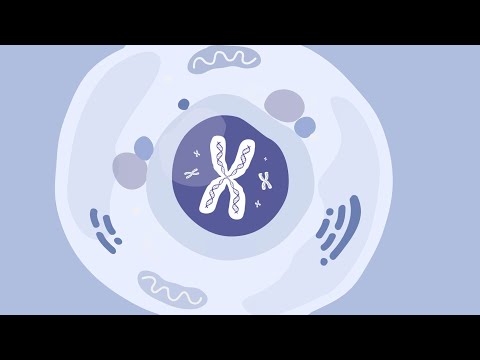
You know that feeling when you get a cold, and you just wish someone could zap it away in seconds? Imagine if you could do that with genetic diseases! Sounds like sci-fi, huh? Well, welcome to the wacky world of gene therapy.
It’s not just about fixing broken genes—it’s a whole toolbox of ideas! Think of it like a Swiss Army knife for medicine. You’ve got everything from high-tech tricks to super old-school methods, all aimed at helping people live healthier lives.
And honestly, there’s something pretty amazing about seeing how far science has come. I mean, a while back, we didn’t even know DNA existed! Now we’re playing around with it like it’s LEGO bricks. There’s a lot to unpack here. So grab your favorite snack, and let’s chat about the diverse approaches to gene therapy. It might just blow your mind!
Exploring the Four Approaches to Gene Therapy: Advances in Genetic Medicine
Gene therapy is one of those mind-blowing topics that feels like it’s straight out of a sci-fi movie. Seriously, the idea that we can tweak our genes to treat diseases is both exciting and a bit scary. But let’s break it down into four main approaches.
1. Gene Addition
This is probably the simplest way to think about gene therapy. Here, scientists take a healthy copy of a gene and add it into a patient’s cells. The idea is to compensate for missing or non-working genes that cause diseases. For example, if someone has cystic fibrosis, which affects their lungs and digestive system, researchers might introduce a functional version of the CFTR gene to help those processes work better.
2. Gene Editing
Now this one sounds super high-tech! Gene editing involves making precise changes to the DNA within one’s cells. Tools like CRISPR-Cas9 have made this more accessible than ever. With CRISPR, scientists can cut out faulty genes and replace them with corrected ones or even insert new sequences altogether. It’s like being able to edit an essay you’ve written but on the cellular level! Imagine tweaking genes responsible for sickle cell anemia so they function properly—how cool is that?
3. RNA Interference
You might not hear about this one as much, but it’s pretty nifty too! RNA interference (RNAi) is all about silencing bad genes instead of adding or editing them directly. Think of it like having a mute button for your television when you really don’t want to hear certain shows—only in this case, you’re muting undesirable genetic expressions causing issues in your body. For instance, some cancers are driven by overactive genes; using RNAi could potentially shut them down.
4. Antisense Oligonucleotides
Okay, bear with me here; this tech has quite a name! Antisense oligonucleotides are small pieces of DNA or RNA designed to bind to the mRNA produced by a gene that needs fixing up—like threading a needle! Once bound, they can block the production of harmful proteins or even alter how proteins are made from those specific genes. This approach has been used in conditions like Duchenne muscular dystrophy, where researchers aim to help patients produce functional versions of proteins crucial for muscle function.
So why does all this matter? Well, these four approaches open new doors for treatments we only dreamed about before! Each method carries its own challenges and risks but also tons of potential benefits for people suffering from genetic disorders.
Even though exploring these techniques can feel like peering into another planet’s landscape, they illustrate just how far we’ve come in understanding our own biology and what we can do with that knowledge—hopefully bringing hope to many along the way!
Exploring Breakthroughs in Gene Therapy: Recent Advances Transforming the Science of Genetic Medicine
Gene therapy is one of those amazing fields where science fiction starts to feel a bit more like science fact. It involves altering the genes inside your cells to treat or prevent diseases. Seriously, just think of it as a way to fix the instructions your body uses to operate! Recently, there have been some pretty exciting breakthroughs that are shaking things up in genetic medicine.
One big development is the use of CRISPR technology. You might’ve heard about it already—it’s basically a tool that lets scientists edit genes with incredible precision. Imagine having scissors that can snip out bad parts of DNA and replace them with healthy ones! Researchers are using CRISPR to tackle genetic disorders like sickle cell disease and muscular dystrophy. In fact, some patients have already seen improvements after treatment using this method.
Another fascinating approach involves viral vectors. Now, this sounds a bit scary at first, right? But hear me out. Scientists take a harmless virus and modify it to carry healthy genes into the target cells. Think of it as a delivery service for good DNA! This method has shown promise in treating conditions like hemophilia and certain types of blindness. It’s like sending in reinforcements to help your body fight back against illness.
Then you’ve got gene editing techniques, which go hand in hand with these viral vectors. Researchers can not only replace faulty genes but also directly edit them at specific locations within the genome. This means more accurate treatments with potentially fewer side effects compared to older methods! Imagine being able to directly fix typos in your genetic code—pretty wild, huh?
The potential for gene therapy doesn’t stop there.
, which involves modifying a patient’s own cells outside their body before reintroducing them, is showing great results too. For instance, CAR T-cell therapy has transformed how we treat certain cancers by engineering immune cells to better recognize and attack tumors.
Let’s not overlook the role of regulatory advancements. As scientists make strides in this field, governments and health organizations are ramping up efforts to ensure that therapies are safe and effective for widespread use. This means clinical trials are getting easier to set up and more patients can benefit from new treatments faster!
But with all this excitement also comes ethical considerations. You know, things like consent, long-term effects on patients, and how we handle genetic modifications overall can stir up quite the debate among experts.
So yeah, breakthroughs in gene therapy are really pushing the envelope on what’s possible in medicine today! Just think about kids born with genetic disorders who might someday live normal lives because these technologies continue evolving and improving over time. It’s genuinely heartening stuff!
In short, gene therapy is reshaping how we think about treating illnesses at their roots instead of just managing symptoms—you follow me?
Comprehensive Review of Gene Therapy Advances: Downloadable Research Paper PDF
Gene therapy is one of those topics that can really get you thinking. Imagine being able to fix genetic issues right at their source, kind of like a surgical edit for your DNA. That’s what scientists are trying to do! Basically, gene therapy involves altering the genes inside your body to treat or prevent diseases.
Now, let’s break down some of the advances in gene therapy and how they’re reshaping modern medicine:
- Adeno-Associated Viral Vectors: These little guys are like delivery trucks for genes. They help carry new genes into cells. The cool thing about them? They don’t usually cause disease themselves, so they’re pretty safe!
- CRISPR Technology: You’ve probably heard about CRISPR—it’s like a pair of molecular scissors. Scientists can precisely cut DNA at specific spots and replace faulty genes with functioning ones. It’s as if you’re changing a typo in a book.
- Gene Editing in Hemophilia: This is super interesting! Hemophilia is when blood doesn’t clot properly due to missing or faulty genes. With gene therapy, researchers have been able to introduce healthy copies of these genes, helping patients produce the proteins they need for proper clotting.
- CAR-T Cell Therapy: Imagine having your own cells trained to fight cancer cells! This therapy takes T cells from a patient’s blood, modifies them to better recognize cancer cells, and then puts them back into the body. It has shown immense promise in treating certain blood cancers.
- Luxturna: This one’s particularly touching—it’s a gene therapy approved for a rare form of inherited blindness called Leber congenital amaurosis. By delivering a normal copy of the gene directly into retinal cells, many patients have reported improved vision!
The journey to these advancements hasn’t been all smooth sailing though. There’ve been challenges—like safety concerns and ensuring that treatments are effective long-term. Remember that story about Jesse Gelsinger? He was the first patient ever treated with gene therapy and sadly died during the process due to an immune response. This tragic incident highlighted just how critical it is for researchers to tread carefully.
The good news? Scientists have learned from past experiences and continuously work on improving methods and understanding how our bodies react to these therapies.
If you’re ever curious about diving deeper into the science behind these advances—there’s loads of research out there! Many universities publish papers that you can download as PDFs, which dive more thoroughly into specific studies or trials.
In short, **gene therapy has come a long way** in transforming medicine and offers hope for treating genetic disorders that once seemed hopeless.
Gene therapy is like this fascinating frontier in medicine that, honestly, feels like something out of a sci-fi flick. You know, the idea that we can actually change the way our genes work? It sounds wild, but it’s real and it’s been evolving in some really interesting ways.
Think about it. Like, just last year, I found myself with a friend whose little sister was battling a rare genetic disorder. She seemed so brave, but you could see the worry in her eyes. Her family was exploring gene therapy as a potential option—a treatment that might actually fix the underlying problem at a cellular level. This wasn’t just about band-aiding symptoms; it was about going straight to the root cause. That kind of hope is powerful.
There are different methods in gene therapy these days. One approach uses viruses to deliver new or modified genes into cells—kind of like sending tiny delivery trucks into your body with a special package! Viruses are the villains of our health stories most of the time, but scientists have figured out how to reprogram them to be helpful instead. Amazing, right?
Then there’s CRISPR technology, which is like having a pair of molecular scissors that can cut and edit DNA precisely where it needs fixing. Imagine being able to highlight and erase typos in your favorite book—only this time it’s the book of life! It’s super exciting because CRISPR could potentially allow us to tackle a wide range of genetic defects.
But here’s the kicker: while all this sounds fantastic—and trust me, I’m all for innovative solutions—there’s still so much we don’t fully understand yet. There’re ethical concerns too! You know? Like where do we draw the line? Should we be editing embryos just because we want certain traits? That’s some heavy stuff.
So yeah, when I think back to my friend’s sister and her family searching for answers amidst uncertainty and fear, I can’t help but feel hopeful yet cautious about these diverse approaches to gene therapy. The potential is enormous—the promise of healthier futures lies within those twists and turns in our DNA strands. And as research continues to grow, so does our chance to rewrite some pretty crucial parts of personal narratives—not just for individuals but for entire communities facing genetic challenges.
In essence, it’s not just about fixing genes; it’s about finding ways forward together while holding onto our humanity along the way. And maybe that’s what makes this journey worthwhile—balancing hope with responsibility as we step into what feels like an entirely new chapter in medicine.