Alright, so picture this: you’re at a party, and someone mentions “Wilms tumor.” You might think, “What on earth is that?” Right? It sounds like something from a sci-fi movie!
Well, actually, it’s not that far off. Wilms tumor is a kind of kidney cancer, but not just any cancer—it’s the most common one in kids. Seriously, it’s like the universe decided to throw a curveball at our little ones.
Now, when it comes to understanding this tumor, histology is the name of the game. That’s just a fancy way of saying we look at cells under a microscope. And let me tell you, what we find there can be pretty mind-blowing.
So grab your favorite snack and get comfy! We’re about to unravel some cool insights about Wilms tumor histology that might just change how you see this whole thing. Let’s roll!
Histological Findings of Wilms Tumor: Insights into Pediatric Renal Neoplasia
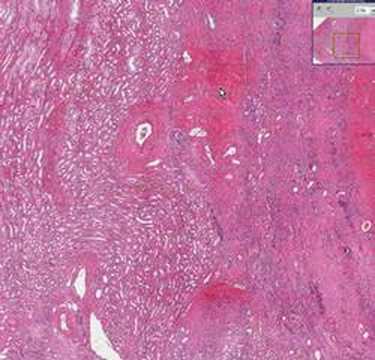
Wilms tumor, also known as nephroblastoma, is a type of kidney cancer that usually affects children. It’s pretty rare but can be quite aggressive. So, when looking at the histological findings of Wilms tumor, we’re digging into what makes this tumor tick at the cellular level. For those who aren’t familiar, histology is basically the study of tissues—how they’re structured, how they look under a microscope. It gives us important clues about diseases.
One key point in Wilms tumor histology is the presence of different cell types. The tumors are often made up of three basic types of cells: blastemal cells, epithelial cells, and stromal cells. Each type plays a role in the development and growth of the tumor.
- Blastemal Cells: These are immature kidney cells that are the most primitive and undifferentiated.
In some ways, they’re like kids who haven’t quite figured out what they want to be when they grow up! High levels of blastemal tissue in a sample often indicate a more aggressive tumor. - Epithelial Cells: These cells line various structures within the body. In Wilms tumors, you might see structures called tubules, which resemble tiny kidneys.
The presence of epithelial differentiation usually suggests a better prognosis. - Stromal Cells: This type supports other cell types and helps maintain structure within the tumor.
They can vary significantly from one case to another; sometimes they look like muscle or fibrous tissue.
When doctors examine a Wilms tumor under a microscope, these cell types give them crucial insights into how aggressive or benign the cancer might be. For example, if there are lots of blastemal cells compared to epithelial or stromal components, it could indicate that this tumor might act more aggressively.
Another important aspect is something called “anaplasia.” Anaplastic tumors show abnormal growth patterns and have larger nuclei than normal; it’s essentially like looking at an angry mob! The more anaplastic features there are in a biopsy sample, the tougher situation you’re dealing with regarding treatment options and outcomes.
Also interesting is how Wilms tumors can sometimes have specific genetic markers linked to their development. For instance, changes on chromosome 11 are common in these tumors—a bit like finding a signature style that indicates certain traits!
Now let me share this story: I once met a young girl named Mia who was battling Wilms tumor. She had undergone surgery and was in recovery while we chatted about her favorite books and why she wanted to become a scientist one day—just like me! Her strength was incredible. Histological findings play such an essential role in helping doctors decide what kinds of therapies could work best for kids like Mia.
In summary, understanding histological findings not only helps identify specific characteristics of Wilms tumors but also guides treatment decisions. When healthcare professionals take those tissue samples seriously, they’re diving deep into critical information that can make all the difference for young patients facing this disease. Isn’t science just amazing?
Exploring Fascinating Insights into Wilms Tumor: Key Facts and Scientific Discoveries
Wilms tumor, also known as nephroblastoma, is a fascinating yet complex condition that primarily affects children. It’s a type of kidney cancer, usually found in kids aged 3 to 4 years. You might be thinking, “How does this happen?” Well, the thing is, it relates to how kidneys develop during childhood.
Let’s chat about histology, which is just a fancy way of saying the study of tissues at a microscopic level. In Wilms tumor, the histological features are pretty unique. The tumor often contains cells that look like immature kidney cells. Think of them as kid versions of adult kidney cells that didn’t finish growing up! This abnormality plays a major role in how we understand and treat it.
- Types of Wilms Tumor: There are different types, and they can vary in their appearance under the microscope. The most common type is called classic Wilms tumor. But then there are also variants like blastemal and stromal types.
- Surgical Insights: Surgery usually comes first when dealing with this tumor. Doctors try to remove as much of the tumor as possible. That way, they can help control its spread!
- Chemotherapy’s Role: After surgery, chemotherapy is often used to tackle any remaining cancer cells. It’s like sending in backup troops after the initial attack.
- Genetic Factors: There’s ongoing research into genetic markers associated with Wilms tumor. Some kids may inherit conditions that increase their risk.
One striking thing about Wilms tumor is how treatable it can be! Many children respond well to treatment and can go on to live healthy lives afterward. I once read a story about a little girl who bravely battled this disease and celebrated her last treatment with a huge cake party! It was heartwarming to see how far she’d come.
What’s exciting right now in scientific circles? Researchers are looking closely at how these tumors grow and behave on a cellular level. By understanding more about their biodiversity, scientists hope to develop targeted therapies that could work even better than traditional treatments.
In short, exploring insights into Wilms tumor not only helps us understand its biology but also improves outcomes for those affected by it! So yeah, studying this kind of stuff? Totally important for making sense of pediatric cancers and giving kids a fighting chance at recovery!
Determining the Gold Standard in Wilms Tumor Treatment: Current Insights and Advances in Pediatric Oncology
Wilms tumor, a type of kidney cancer that mostly affects children, has quite the reputation in pediatric oncology. It usually shows up in kids ages 3 to 4, making it one of the more common solid tumors you’ll encounter in that age group. So, what’s the latest on how we’re treating it? Let’s break it down.
First off, the treatment approaches for Wilms tumor can be pretty varied depending on how advanced the cancer is and its specific characteristics. But generally, they follow a few key steps:
- Surgery: This is typically the first step. The goal here is to remove as much of the tumor as possible while preserving kidney function if we can. Sometimes, they might even remove an entire kidney—yikes! But kids can often do just fine with one.
- Chemotherapy: Post-surgery, kids usually go through chemotherapy to kill any leftover cancer cells. The drugs used are pretty powerful stuff and can have side effects, but they’re essential for preventing relapse.
- Radiation therapy: Depending on factors like tumor size and whether there has been any spread to lymph nodes or other organs, radiation might come into play as well. It helps target any stubborn cells that surgery or chemo might miss.
Now, here’s where things get interesting: not all Wilms tumors are created equal. Some have different histological features—that’s science talk for “how they look under a microscope” which relates directly to how aggressive the tumor might be and how well it responds to treatment.
For instance, you’ve got favorable histology tumors that tend to respond better to treatment and have a higher survival rate. On the flip side, unfavorable histology tumors can be trickier; they require more aggressive treatment strategies due to their tough nature.
Let me tell you a quick story about this kid named Max who had Wilms tumor at age four. He went through surgery and was put on chemotherapy immediately afterward. His doctors closely monitored his response because he had unfavorable histology features—it was really tense for his family! Thankfully, after some tough rounds of chemo and lots of love from his amazing support crew, he went into remission!
But back to the gold standard thing—actually determining what that gold standard is has evolved with research insights over time. For example, new studies are looking into personalized medicine approaches based on genetic profiling of tumors. This means doctors could tailor treatments specifically for each child’s unique cancer traits rather than using a one-size-fits-all method.
Now about ongoing advances: there are clinical trials happening all over that focus on looking at less toxic drugs or combination therapies which could enhance outcomes while minimizing side effects. Think about how important it is for kids not just to survive but also thrive post-treatment!
Finally, keeping an eye on long-term follow-up care is critical too since survivorship means different things for different kiddos—the worries don’t really end when treatment does.
So yeah! The landscape for treating Wilms tumor keeps shifting as researchers learn more every day about these little warriors we call kids—and their battles against cancer are seriously inspiring!
So, let’s chat about Wilms tumor, shall we? It’s this rare kind of kidney cancer that mostly shows up in kids. You might be wondering why a talk about histology comes in here—well, it’s basically the study of tissues and cells. When we dive into the histology of Wilms tumor, we get a glimpse into how this disease works at a microscopic level.
Now picture this: you’re at a hospital where a child has just been diagnosed with Wilms tumor. The parents are super scared and have a million questions swirling around in their heads. It’s tough—cancer is never easy to deal with, especially when it involves the little ones. This is where understanding histology can actually bring some clarity. You see, the cells in Wilms tumor don’t just act like naughty teenagers rebelling against rules; they show specific patterns that help doctors figure out how aggressive the cancer is.
Wilms tumors often come from these primitive renal cells that didn’t quite develop normally. So when we look under a microscope, we notice some unique features—like an abundance of blastema (that’s just fancy speak for undifferentiated cells) mixed with other cell types such as epithelial and mesenchymal cells. It’s like nature threw together elements from different parts and said, “Here you go!” Understanding these nuances can really help in predicting how the tumor will behave.
And there’s more to it! Those histological details also play a huge role in treatment decisions. For instance, tumors with certain characteristics might respond better to chemotherapy or surgery than others do. It’s all intertwined—histology isn’t just about pretty pictures under glass slides; it’s about making life-changing decisions based on what those pictures say.
So yeah, sharing insights about Wilms tumor histology isn’t just academic; it can seriously impact lives. When health professionals communicate these findings to families in an understandable way, it not only demystifies the science but also brings hope and guidance during such difficult times. And seeing parents finally grasp how these mysterious cells work? That feels like a win for everyone involved!