You know what’s wild? Wolves have some seriously cool skeletons. I mean, you might think bones are just… well, bones, right? But wait until you see how these guys are built for survival.
Imagine a wolf on the hunt under a moonlit sky. Those long legs and powerful jaws aren’t just for show—they’re perfect for sprinting and bringing down prey. It’s kind of like they’ve got their own natural sports car chassis!
So, if you ever get curious about the ins and outs of wolf anatomy, strap in! We’re about to take a closer look at these fascinating structures that make wolves the majestic creatures they are. Buckle up; it’s gonna be a fun ride!
Exploring the Skeletal Structure of Wolves: An Insight into Canine Anatomy
Wolves are pretty incredible creatures, right? Their skeletal structure tells us so much about how they live and hunt. The wolf skeleton is like a well-designed machine, built for strength and agility. So, let’s take a closer look at what makes it tick.
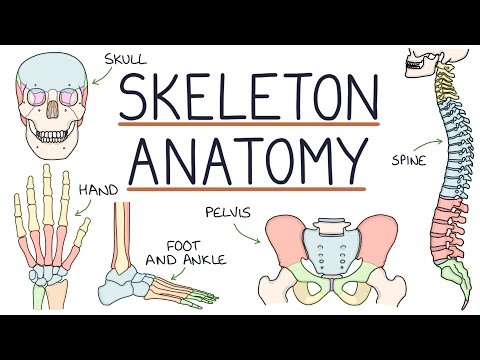
First off, the skull. It’s designed for all those fierce activities like hunting and defending territory. The shape is elongated, giving room for those powerful jaws and sharp teeth. Those canines? They’re made for tearing meat, super important since wolves are carnivores. Imagine going after your dinner with a set of tools perfectly suited to the job! And the eye sockets? They’re larger than in other animals, which helps wolves see better in low light—perfect for nighttime hunts.
- The vertebral column holds it all together. It’s flexible yet sturdy, allowing for agile movements while maintaining stability.
- The ribcage protects vital organs like the heart and lungs while allowing enough space for deep breaths when sprinting after prey.
- The limbs are long and muscular. This structure is tailored for running long distances—those legs help them chase down fast animals over vast terrains!
Now, the front limbs have this neat feature called humerus, which connects to the shoulder blades in a way that gives them both strength and flexibility. Wolves can push off the ground powerfully while maintaining balance during sprints. So you really get a sense of how every part works together seamlessly!
If you think about their paws too—those big feet with padded soles! They help distribute weight nicely across snow or rough terrain. It’s like having built-in snowshoes! Plus, there’s that extra bit of insulation from cold ground surfaces.
The hind limbs? Oh boy, they’re built for power! The femur, tibia, and fibula work together to give them that strong kick needed to sprint quickly or change directions without losing speed. Think of it as if they were made for extreme sports—like an athlete specializing in cross-country running!
Every part of a wolf’s skeleton reflects its lifestyle as a predator—it’s fascinating how evolution has shaped these structures over time to optimize hunting skills and survival strategies.
You know what’s really cool? If you compare wolves’ skeletal structure to domesticated dogs—which share a last common ancestor—you’ll notice interesting differences! While dogs come in all sorts of shapes due to breeding trends (hello pugs!), wolves have maintained a relatively consistent form suited to their environmental demands.
This connection between anatomy and lifestyle is just one more example of how amazing nature can be! I mean, looking at these majestic beings run through forests or open plains sparks admiration—and understanding their anatomy only deepens that respect we should have for wildlife.
So yeah, next time you think about wolves roaming out there under the stars, remember their skeletons tell an epic story about adaptation and survival in some of the most challenging environments on Earth!
Exploring the Unique Characteristics of Wolves: A Scientific Perspective on Their Adaptations and Behavior
Wolves are incredible creatures. Seriously, they’ve got this mix of anatomy and behavior that really makes them stand out in the animal kingdom. Let’s break down some unique characteristics, shall we?
First off, let’s chat about their skeleton anatomy. Wolves have a really fascinating structure. Their skeleton is designed for endurance and agility. If you look closely at their leg bones, you’ll notice they are long and slender. This design helps them cover great distances while running. Imagine chasing after prey for miles—talk about stamina!
Another cool feature of wolf anatomy is their skull structure. Wolves have a long snout, which supports their acute sense of smell. It’s not just for show; they can detect scents from over a mile away! Their sense of smell is about 10,000 to 100,000 times more sensitive than ours. Think about how important that is when hunting or navigating through their territory.
Now, let’s move on to their teeth. Wolves have sharp canine teeth designed for grabbing and holding onto prey. And then there are the molars—those are flat and help crush bones and grind meat. So, when they catch something big like a deer or moose, they can make the most out of every meal by using every part.
And it’s not just anatomy that makes wolves unique; it’s also about how they behave! They’re social animals that live in packs. This social structure is crucial for hunting and raising pups together. Being in a pack helps wolves take down larger prey that would be hard to catch solo.
Speaking of pups, did you know that wolf pups are born blind and deaf? They rely totally on their parents for everything early on. It’s pretty heartwarming to think about how much care goes into raising them until they’re ready to join in the hunt.
Wolves also have some very interesting communication habits. They use howls to keep in touch with other pack members or even warn other wolves to stay away from their territory. That deep howl carries over long distances—perfect for alerting others!
In summary:
- Skeletal structure: Long leg bones for endurance.
- Skull shape: Long snout enhances sense of smell.
- Teeth design: Canines grip prey; molars crush bones.
- Packs: Social structures help with hunting.
- Pup development: Born blind and deaf; rely on parents.
- Communication: Howls keep packs connected.
So yeah, wolves are just fascinating creatures with adaptations that allow them to thrive in diverse environments! Understanding these aspects gives us insight into not just wolves but the ecosystems they inhabit as well.
The Most Sensitive Part of a Wolf: Insights from Animal Anatomy and Sensory Biology
Wolves are some of the most fascinating creatures out there, right? When you think about their anatomy, you can’t help but be intrigued by how they’ve evolved to survive in the wild. But one of the most captivating aspects is actually their senses, especially their sense of smell.
Their olfactory system is top-notch. Wolves have a sense of smell that’s up to 100,000 times more sensitive than ours. Imagine walking through the woods and catching a whiff of dinner from miles away! This ability helps them track prey, communicate with each other, and even avoid danger. Their noses are packed with more olfactory receptors than ours—around 300 million compared to our 5 million. Just think about that for a second!
Now, if we dive into anatomy a bit deeper, wolves also have specially structured skulls. Their skulls are designed to hold those powerful nasal passages. The shape allows them to take in huge amounts of air while sniffing around for scents. It’s like having an upgrade on your phone—better functionality for tracking down that elusive meal.
The brain plays a crucial role too! In wolves, the olfactory bulb—the part of the brain responsible for processing smells—is proportionally larger than in many other mammals. This means they can not only detect smells but also understand and interpret them better than we can.
But let’s not forget about their ears! Wolves have excellent hearing as well. Their ears can move independently, allowing them to pinpoint sounds from different directions. This is super handy when they’re trying to locate a pack member or hunt stealthily.
To wrap it up, the most sensitive part of a wolf is definitely tied to its nose and sensory biology overall. Those incredible adaptations give them an edge in survival. So next time you hear howling in the distance or see wolves on TV, remember just how much their anatomy plays into their amazing sensory abilities!
So, let’s talk about something pretty cool: wolf skeletons. You might be thinking, who cares about bones, right? But seriously, there’s so much to appreciate when you really look at them.
Picture this: one night I was out camping in the woods, and I heard this haunting howl echoing through the trees. It sent chills down my spine—both terrifying and beautiful at the same time. It got me curious about what those magnificent creatures were like up close. I mean, they’re not just howlers; they’re built for survival.
First off, wolf skeletons are designed for strength and agility. Their long legs make them incredible runners, perfect for chasing down prey across vast landscapes. The bones are relatively lightweight but super strong, kind of like those fancy airplanes made of carbon fiber. And then there’s their skull—man, it’s packed with sharp teeth and powerful jaw muscles that let them bite down hard on anything from small rodents to larger game.
But here’s something wild: wolves have a flexible backbone that gives them amazing maneuverability during a chase. Imagine being able to dodge obstacles while sprinting full speed! That flexibility also helps them communicate with each other through body language. So when you see a wolf arch its back or lower its head, it’s all part of their intricate social interactions.
And don’t even get me started on their paws! Those large feet are not just for show; they act like natural snowshoes that help them travel across different terrains without sinking in too deep. Nature thought of everything!
It’s interesting to think about how these structures evolved over time too. Each bone tells a story—a tale of adaptation and survival that we can only begin to understand when looking closely at their anatomy.
So yeah, next time you hear a wolf howling in the distance or catch a glimpse of one on a nature documentary, remember there’s a whole world behind those bones—a fascinating design shaped by nature itself for hunting, survival, and community life in the wild! Isn’t that amazing?