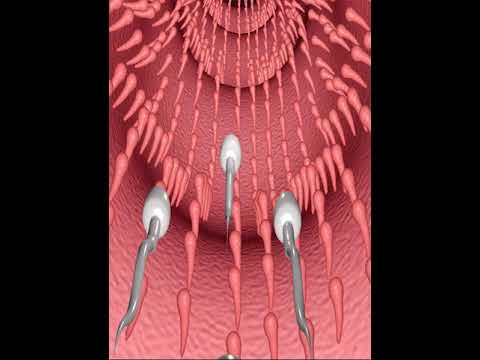
You know, when I was in school, I couldn’t wrap my head around how a tiny single cell can turn into a whole living being. Like, one minute it’s just this little zygote chillin’ and the next, it’s developing arms, legs, and who knows what else! It’s kind of mind-blowing.
So, imagine if you could actually see that happening in 3D. Sounds cool, right? That’s where 3D visualization comes in! It’s like putting on a sci-fi headset and watching the magic unfold right before your eyes.
Instead of just staring at flat textbooks or slideshows, you get to witness each stage of zygote development up close and personal. And trust me, it makes learning way more fun—and way less confusing! Who wouldn’t want to see how life begins?
Understanding the Three Stages of Zygote Development: A Comprehensive Overview in Developmental Biology
The journey of a zygote is truly mind-blowing. It starts as a single cell and goes through some amazing transformations to create life. Let’s break it down into three stages that are key to understanding this process.
The Fertilization Stage
This is where it all begins. A sperm meets an egg, and boom! They unite to form a zygote. This tiny cell contains all the genetic information needed to shape an entire organism. Imagine it as a tiny blueprint for building something incredible.
But here’s the catch: right after fertilization, the zygote doesn’t just chill out and hang around. No way! Instead, the zygote begins its first major job: cleavage. This means it starts dividing into smaller cells almost immediately.
The Cleavage Stage
After fertilization, the zygote undergoes rapid cell division without growing in size—kind of like those Russian dolls that keep getting smaller as they stack up inside each other. These divisions create what we call blastomeres. In this stage, you’ve got two cells, then four, then eight…and so on!
This rapid division continues until a certain point when these little guys form a solid ball of cells known as a morula. Just picture a cluster of grapes; they’re all packed together but not quite formed into anything yet.
Once the morula forms, those cells start reorganizing themselves to form something more structured called the blastocyst. That’s when things get really interesting! The blastocyst will develop into different parts later on—like that cool 3D model you might see in science class.
The Implantation Stage
Now we’re at the stage where the blastocyst does something crucial: it needs to implant itself into the wall of the uterus for further development. Think of this step like finding a cozy spot to settle down and grow.
When implantation happens successfully, hormones kick in to support pregnancy and help your body prepare for carrying an embryo. That’s when everything starts gearing up for some serious growth and development over time.
So basically, from that first magical moment of fertilization through cleavage and onto implantation—the journey is pretty spectacular! Each step is essential in laying down the foundation for life ahead, showcasing just how intricate biology can be when you really look at it closely.
Next time you think about how life starts from just one little cell, remember—it’s not just about being small; it’s about all those amazing changes happening behind the scenes!
Exploring the Four Stages of Pregnancy and Development: A Scientific Overview
Pregnancy is an incredible journey that lasts about nine months, and it can be broken down into four main stages: the germinal, embryonic, fetal, and postnatal stages. Each stage has its own unique characteristics and developments that are super important for creating a new human being. Let’s break it down!
1. The Germinal Stage
This first stage starts at conception when a sperm fertilizes an egg. What happens next is kind of amazing—the fertilized egg, now called a zygote, begins to divide as it travels down the fallopian tube towards the uterus. This is where things get exciting.
- The zygote divides repeatedly over about three days to form a structure with many cells called a blastocyst.
- Eventually, this blastocyst implants itself into the uterine wall by about day six or seven of pregnancy.
I still remember my biology teacher showing us 3D animations of this process in class. It was like watching a tiny miracle unfold on screen! You could see how quickly those cells multiply—so cool!
2. The Embryonic Stage
The second stage kicks off from week 3 and lasts until about week 8. During this time, major organs and systems start to develop. Here’s where you really start to see some structure in our tiny human.
- This is when the heart starts to beat—yes, even in such tiny beginnings!
- Limbs begin to form; arms and legs sprout out from what looks like just a little blob of cells.
- The brain starts developing too; it’s wild how all these complex systems come together so quickly.
I remember reading about how sensitive this stage is—like if something goes wrong early on, it can really affect development later. It makes you appreciate how resilient life can be!
3. The Fetal Stage
The third stage begins around week 9 and carries on until birth around week 40. This stage is all about growth and maturation; it’s when baby really starts to look like… well, a baby!
- By week 12, most of the major organs are formed but still need time to mature.
- From weeks 13-16, you can see some fine details; hair begins to grow on the head!
- By month six or so, fingers and toes are totally there with nails too! You might even catch your future athlete practicing their kickboxing routine in mom’s belly—sweet!
I’ve seen ultrasounds that captured little hands waving or feet kicking—a total game-changer! It brings the science of pregnancy alive in such an emotional way.
4. The Postnatal Stage
This stage technically starts at birth but stretches for years as your little one grows into their own person. The first few months are crucial since that’s when infants learn so much from their surroundings.
- Newborns undergo rapid physical changes; they gain weight quickly and learn skills like crawling or walking before you know it!
- Cognitive development kicks off too; they start recognizing faces and sounds—like mom’s voice—and forming attachments.
You know that moment when you see a baby smile for the first time? It’s pure magic! It’s all part of that incredible postnatal growth process—not just physically but emotionally too.
So there you have it! From zygote to newborn, each stage tells its own story filled with wonder and complexity. Visualizing these stages using something like 3D models makes everything clearer—it turns abstract concepts into real life scenarios we can understand better! Life’s journey truly kicks off at conception—and what an amazing ride it is!
Understanding Embryonic Development: Essential Class 8 Notes in Biology
Embryonic development is one of the most fascinating journeys in biology. Imagine starting as a single cell and growing into a complex organism. Sounds like magic, right? But it’s pure science! Let me break it down for you.
It all starts with the zygote. This tiny cell forms when a sperm fertilizes an egg. It’s basically the first step in creating something remarkable. The zygote contains all the genetic material needed for development, which makes it super important.
After fertilization, the zygote undergoes rapid division. This process is called cleavage. Picture a pizza being sliced into smaller pieces; that’s what happens here! The zygote splits into multiple cells while staying the same size, creating a ball of cells known as a morula.
Soon after, these cells start to arrange themselves in a hollow ball called a blastocyst. This stage is vital because some cells will become part of the placenta, while others will form the embryo itself. It’s like each cell has its own job description!
Now here’s where things get really interesting: implantation. The blastocyst embeds itself into the uterine wall. Think of it like setting up camp! This is essential for receiving nutrients and oxygen from the mother.
As weeks go by, these cells begin to specialize in a process called differentiation. Some become heart cells, others will be skin or nerve cells—each with unique functions. It’s incredible how these tiny units know what to do!
To help visualize this amazing development process, 3D models are becoming super popular in science education. Imagine being able to spin around and see how each part develops from every angle! So much easier than just reading about it in textbooks.
In summary, embryonic development takes you from a single cell to a fully formed human being through structured stages like cleavage, blastocyst formation, implantation, and differentiation. Each step is crucial and fascinating in its own right.
So yeah, that’s embryonic development—I hope this gives you a clearer picture of how we all start out as just one little cell!
Have you ever sat in a science class and stared at those flat, two-dimensional pictures of cells? I mean, they do the job, but let’s be real—they’re kinda lackluster, right? So, imagine my surprise when I stumbled upon 3D visualizations of zygote development. It was like stepping into a sci-fi movie. Seriously, seeing how cells divide and grow in a virtual space is an experience you can’t quite forget.
Picture this: back in high school, I was sitting there trying to memorize the stages of development from zygote to embryo. My poor brain was juggling all these terms, like cleavage and gastrulation—it felt more like trying to remember a complicated recipe than understanding how life begins! But with 3D models? Wow! It’s so much easier to grasp what’s happening. You can rotate the model in your hands, zoom in and out. It makes everything feel tangible.
The cool thing about these visualizations is that they don’t just show us what happens; they give us context. You can actually see how cells communicate and interact during each stage—much like watching a drama unfold on stage. And trust me, it’s way more exciting than centuries-old diagrams! When we see things unfold in three dimensions, it clicks better. You start thinking about how intricate life really is—a zygote isn’t just a blob; it’s the beginning of something incredible.
But here’s the kicker: Not everyone has access to this tech. If you’re in a traditional classroom with old textbooks and dusty projectors… well, good luck getting that spark of curiosity ignited! It’s kind of frustrating because science should be exhilarating for everyone.
What really hits home for me is how important it is to make these advanced tools available to students everywhere. Seeing that zygote develop into an organism could inspire future scientists or doctors. It’s not just about understanding biology; it’s about appreciating how complex and beautiful life can be from its very start.
So yeah, 3D visualization isn’t just some fancy techy stuff—it’s bridging gaps between understanding and interest for students everywhere. I can’t help but think if only my younger self could’ve had these tools at their fingertips!