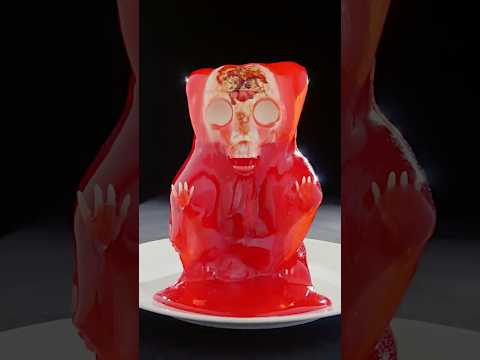
You ever find yourself munching on a gummy bear and thinking, “What’s this little squishy guy made of?” I mean, they’re so cute yet packed with flavor. It’s like candy science in action!
So, picture this. You’re at a birthday party. There’s cake, balloons, and a bowl overflowing with gummy bears. You grab one — or maybe a handful? — and it’s like magic in your mouth! But wait, have you ever wondered how these colorful critters come to life?
Seriously, let’s break down what goes into that chewy goodness. It’s not just sugar and fun; there’s some cool science behind it all. The more you learn about gummy bears, the more you’ll appreciate every bite.
Trust me, once you know the anatomy of a gummy bear, you’ll never look at candy the same way again!
Exploring the Gummy Bear Reaction Experiment: A Fascinating Look into Osmosis in Science
So, let’s talk about that fun little science experiment with gummy bears. It’s not just a way to satisfy your sweet tooth! Seriously, it teaches us about osmosis, which is a super cool biological process. Basically, osmosis is when water moves through a semi-permeable membrane. Kind of like when you drink water and it helps your cells work better.
Now picture this: you grab some gummy bears and toss them into different liquids—like water or maybe saltwater. What happens? Over time, those little candies start to change size and color! They can swell up and look like they’ve been on a wild adventure.
The reason for this change? Well, the gummy bears are made mostly of sugar and gelatin. When they’re put into water, the water moves inside the gummy bear because there’s more sugar outside than inside. So it tries to balance things out by bringing in more water.
- In fresh water: The gummy bear expands as it absorbs the water, getting bigger and squishier!
- In saltwater: The opposite occurs—the gummy bear will actually shrink. Water is drawn out from the candy because there’s a higher concentration of salt outside.
This whole process is fascinating because it shows how our bodies function too! Think about it: every time you drink something—your cells are doing some serious osmosis work as they absorb that liquid to stay healthy!
An anecdote that sticks with me involves my younger brother during one summer. He had this obsession with making gummies in all sorts of flavors, but he never realized the magic behind osmosis until I showed him this experiment. Watching those gummy bears grow was like opening his eyes to science—and he was only 10! It was pretty hilarious hearing him yell “They’re alive!” as he saw them get bigger in the bowl.
This experiment not only brings science into your kitchen but also helps explain important concepts in biology. You see how molecules move through membranes and balance things out between high concentration (the sugary gummy) and low concentration (the water). Understanding osmosis can really help you appreciate how simple things around us connect to larger biological processes.
So next time you see those colorful little bears, remember: they’re more than just candy—they’re tiny lessons in scientific principles!
Exploring Gummy Bear Anatomy: A Comprehensive Guide to Understanding Candy Composition in Science
So, gummy bears. Those cute little critters are not just a sweet treat; they’re like tiny science experiments in your mouth! You might not think about it while chomping down on a handful, but there’s actually quite a bit going on in those chewy delights.
First up: Gelatin. This is the backbone of every gummy bear you munch on. Gelatin comes from collagen, which is found in animal bones and skin. So, when you bite into a gummy bear, you’re basically enjoying a little piece of the animal kingdom! The gelatin gives them that fun, squishy texture we all love.
Now let’s talk sugar. Sugar isn’t just there for sweetness; it helps create that perfect chewy consistency. When making gummy bears, sugar dissolves in hot water and combines with gelatin. Then it cools down and firms up to create the delightful form we know. Too little sugar? They’ll be hard as rocks! Too much? You end up with a sticky mess.
Next ingredient: Corn syrup. This stuff is important because it keeps the gummies from crystallizing and gives them that nice gloss on the outside. It’s basically their protective coating! Corn syrup also helps maintain moisture within each bear so they don’t dry out too quickly—no one wants a stale gummy bear.
And let’s not forget food coloring. Those vibrant colors make gummy bears so eye-catching! The coloring agents come from several sources—some are synthetic while others are natural, like beet juice for red or turmeric for yellow. It’s pretty interesting how much thought goes into making sure these candies look as good as they taste!
Then there’s flavoring. Each flavor has its own secret ingredient mix to pack that tasty punch! For example, orange might get its kick from orange extract or similar chemical compounds that mimic the fruit’s taste.
Lastly, everything gets mixed together and cooked before being poured into molds shaped like those adorable bears we can’t resist munching on!
To wrap things up, here’s what makes up our favorite gummy friends:
- Gelatin: Gives chewiness.
- Sugar: Sweetness plus consistency.
- Corn syrup: Keeps them moist.
- Food coloring: Makes them pretty!
- Flavoring: Adds yummy goodness!
So next time you pop a gummy bear in your mouth, remember you’re tasting chemistry at work! They really are sweet bites of science hidden in candy form—it makes me smile just thinking about it!
Exploring the Science Behind Skeleton Gummies: Nutrition, Ingredients, and Benefits
So, you’re curious about skeleton gummies? You know, those chewy, adorable candies that look like little bone-shaped critters? Let’s break it down a bit.
What are Skeleton Gummies?
These gummies are basically a twist on the classic gummy bear. They’re flavored sugar treats shaped like bones or skeletons. What makes them special is their combination of fun shapes with some interesting ingredients that might give us surprising benefits if we take a closer look.
Nutritional Value
Most gummies are packed with sugar, and skeleton gummies are no exception. But wait—there’s more! Some brands toss in some vitamins and minerals to spice things up a bit. Here’s what you usually find:
- Sugar: Sweetens the deal but watch out for the calories!
- Gelatin: This is where it gets interesting! Gelatin comes from animal collagen and provides protein.
- Vitamins: Some gummy makers add vitamin C, D, or even calcium.
But don’t think that munching on these will replace your spinach or broccoli! They can add some fun to your diet but shouldn’t be your main source of nutrients.
The Ingredients Inside
Alright, let’s talk about what makes these gummies chewy and colorful. Here’s a peek:
- Gelatin: The backbone (pun intended!) of gummy candies comes from boiling animal skins and bones to extract collagen.
- Sugar and corn syrup: These sweeteners create that sugary sweetness we love.
- Citric acid: Adds a tangy kick—think sour patch vibes!
- Natural flavors: These can range from fruity to other crazy concoctions!
- Dyes: For those vibrant colors—though many brands nowadays are switching to natural dyes.
So, when you pop one in your mouth, you’re getting more than just sugar!
The Benefits (Yes, Really!)
Now here’s where it gets cooler: some benefits of these little guys might surprise you.
- If they contain **gelatin**, they can support joint health because collagen is great for your skin and joints!
- You might find some **vitamin content** in certain brands—like adding vitamin D for stronger bones!
- Sugar provides quick energy if you’re feeling sluggish (just beware of the sugar crash!).
I once had this particularly long day at work—I swear I needed an extra boost just to finish my tasks—and a couple of those gummies really perked me up for an hour. It’s not science fiction; sometimes simple sugar does wonders!
A Final Note on Portion Control
While they can be fun and have some perks, moderation is key! Overdoing it on sugary treats can lead to unwanted health issues over time—like cavities or weight gain.
You get one life; enjoy those skeleton gummies but maybe not every single day. You follow me? There’s always room for tasty bites in our lives as long as we balance them out with healthier choices. So go ahead and treat yourself sometimes! Who said learning about science couldn’t be delicious?
So, gummy bears! You know those cute, squishy little guys that somehow make everything feel a bit more fun? They’re not just a treat; they’ve actually got some cool science behind them. Seriously, next time you pop one into your mouth, think about what’s going on at a molecular level.
I remember the first time I tried making gummy bears at home. It was a total mess, but also super exciting to watch things transform from liquid to those little bear shapes. You see, gummy bears are made mainly from gelatin—yep, the stuff that gives them that chewy texture. Gelatin is made by boiling animal bones and skin, which sounds kinda weird if you think about it too much! But it’s what helps create that delightful wobble and bounce.
The rest of the ingredients are pretty simple: sugar for sweetness and flavoring for all those fun tastes we love, like cherry or lemon. Oh! And don’t forget citric acid! This little ingredient adds that zingy kick we all enjoy when we munch on these treats. Kind of like getting smacked in the face with a lemon – but in a good way!
Now here’s where it gets interesting: gummy bears also involve something called osmosis when they sit in water or other liquids. So if you toss them into some soda or juice, they’ll start to swell up as they absorb the liquid. It’s like watching tiny sponges – seriously cool stuff!
But chewing on these sugary gems isn’t just mindless snacking; there’s science happening in every bite! It makes you realize how much thought goes into even the simplest things in life—like candy! It’s not just about gobbling them down; it’s about appreciating how far we’ve come with food science.
And honestly? Whether you’re sharing them with friends or sneaking them during a binge-watching session alone (we’ve all been there!), those little bears can spark joy and also remind us of the wonderful world of chemistry happening all around us—really close to home! So go ahead, grab a handful and enjoy every squishy moment knowing there’s some serious science behind your sweet tooth!