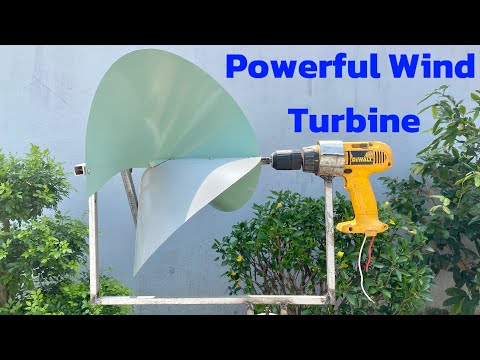
So, picture this: one Sunday morning, I’m sipping my coffee and staring at my neighbor’s obnoxiously large wind turbine. Like, seriously, who needs that much wind power? But then I thought, wouldn’t it be cool to have my own little windmill generator?
I mean, we all love that feeling of doing something with our hands, right? And hey, saving a few bucks on the electric bill doesn’t hurt either!
Building a DIY windmill sounds like an epic weekend project. Plus, it’s a fun way to dive into renewable energy. Seriously, you’ll impress your friends and maybe even save the planet—no pressure!
Let’s chat about how to turn some junk into a green machine you can be proud of. Are you in?
Understanding the Legality of Constructing Your Own Wind Turbine: Scientific Insights and Regulations
Building your own wind turbine can be an exhilarating project. Imagine harnessing nature’s energy right in your backyard! But before you start your DIY adventure, it’s crucial to understand the legalities involved.
First off, the laws around constructing a wind turbine can vary widely depending on where you live. In some places, you might need a permit, while in others, it could be as simple as letting your neighbors know what you’re up to. It’s kind of like planning a big surprise party; you don’t want to invite conflict! So, checking local regulations is a must.
Here’s a rundown of what to consider:
- Zoning Laws: Many cities and counties have rules about where structures can be built. Some areas may restrict wind turbines due to height or location relative to other buildings.
- Height Restrictions: Taller turbines can sometimes face stricter regulations. So if you’re dreaming big with an enormous turbine swaying in the breeze, just remember that size matters.
- Noise Regulations: Wind turbines can make noise, especially when the blades are spinning fast. If you’re in a quiet neighborhood or near wildlife areas, there could be specific noise regulations.
- Utility Regulations: If you’ve got dreams of selling excess power back to the grid (which is super cool!), most states have regulations on that too—like needing to work with utility companies.
Now, let’s talk about safety standards. You’ll want your DIY turbine sturdy and safe! This means following building codes that ensure it won’t blow away with the next strong gust of wind or become a hazard for those around it. Think about it: nobody wants an unplanned flight of fancy for their new appliance!
Another point worth noting is environmental regulations. Sometimes there might be restrictions based on local wildlife—for instance, if you live near bird migration paths or habitats for endangered species. It’s kind of like being asked not to put up flashy lights during migration season; nature has its rhythm too!
And don’t forget about insurance—this goes hand-in-hand with regulations and safety standards. Updating your homeowner’s insurance policy could help protect you from any unexpected mishaps related to your turbine project.
If all this sounds overwhelming—it happens! Just take one step at a time and research thoroughly before jumping into construction mode.
To wrap things up, building your own wind turbine isn’t just fun; it’s also a chance to contribute positively toward renewable energy—just like taking part in that surprise party means celebrating friendships and community spirit! But being aware of legalities? That’s just smart planning!
In short: always consult local laws first, have a solid plan for construction safety, and think about what impact you might have on the environment around you. Happy building!
DIY Wind Generator: A Comprehensive Guide to Building Your Own Renewable Energy Solution
So, you’ve got some ideas buzzing around about making your very own wind generator? That sounds like a fun and eco-friendly project! Let’s break it down together, shall we?
Building a DIY wind generator is all about harnessing that sweet wind energy to produce electricity. You know, using nature to power your gadgets. It’s like having your very own mini power plant right in your backyard.
Step one: Gather materials. You’ll need a few things to get started. Some common materials are:
Easy peasy, right? But remember, if you’re not sure what these things do, don’t sweat it! Just look them up or ask someone who knows.
Step two: Crafting the blades. The blades are super important because they catch the wind and make everything spin. You can make them from PVC pipes cut into a specific shape or even use wood if you’re feeling adventurous. Try to make them long enough but not too heavy; otherwise, they won’t turn well in light winds.
Step three: Build the tower. Next up is the tower that holds your generator high enough to catch more wind. If you want it really sturdy, use metal pipes or build a frame with wood. Just ensure it’s tall enough—about 10-20 feet high is usually good.
Step four: Wiring it up. This part might seem tricky but hang in there! Connect the motor to your battery using wires while making sure all connections are secure. If this makes your head spin a bit, grab a friend who knows about electronics—they might enjoy helping out!
Oh, and don’t forget about safety! Make sure everything is insulated so there’s no risk of electrical shock.
Step five: Testing it out. Get ready for some excitement! Once everything’s built and connected, place it outside where there’s good wind flow. Watch as those blades start spinning and hopefully see that little battery charging up!
Here’s where I want to share an anecdote: My buddy once built one of these in his backyard during a late summer breeze. He was just messing around when suddenly his phone charged from his DIY creation. He couldn’t believe his eyes! It felt pretty magical knowing he’d made something useful with his own hands.
In conclusion… just kidding! No conclusions here—just keep tinkering until you’ve got something that works for you. Building a DIY wind generator isn’t just about putting stuff together; it’s about learning along the way. If things don’t go smoothly at first—no worries! Each mistake teaches you something new.
So go on! Embrace that windy day with some creativity and determination—you might end up being pleasantly surprised by what you’ve built!
Understanding the Energy Potential: What a 400 Watt Wind Turbine Can Power in Scientific Context
Sure! Let’s break down what a 400 Watt wind turbine can do and how that relates to using wind energy, like in a DIY windmill generator project.
A 400 Watt wind turbine, when we talk about its energy potential, it’s all about how much power it can produce in a specific time. You’ve got to imagine this: if your turbine runs at full capacity, it can generate 400 watts of energy every hour. But winds don’t always blow consistently at ideal speeds.
Now, let’s wrap our heads around some basic numbers here. In one day, if you’re lucky enough for your turbine to produce at full capacity for an average of 5 hours (which is kind of optimistic), you’d rack up about:
- 2 kilowatt-hours (kWh) of energy in a day.
This might not sound like much compared to your entire household usage, but let’s break it down further. The average home consumes about 30 kWh daily. So your little turbine could cover about 7% of that daily need. Not bad for a DIY project!
But what exactly does this power translate to? Think practical uses! Here are some examples:
- You could run a few LED light bulbs for several hours.
- A laptop could be powered for several hours.
- An electric kettle might buzz with enough wattage for just one boil – perfect for tea!
The neat thing is that using tools like this encourages us to think more about renewable energy and how we might utilize it in our everyday lives.
For those who want to go deeper, it’s good to know that the effectiveness of your wind turbine depends on where you set it up. You really want that thing catching steady winds—so locations on rooftops or open fields work better than tucked behind trees or buildings.
I remember building my first tiny windmill generator as a kid. It was super basic—just some old bicycle parts and a few scrap materials—but watching the blades spin felt magical! Standing there and knowing I was harnessing the wind made me feel like I was part of something bigger.
So in scientific context, these turbines represent just one small piece of the puzzle when considering renewable energies. They show us how we can contribute to energy sustainability while having some fun along the way!
So, let’s talk about windmills. You know, those big, beautiful structures that spin gracefully in the breeze? They’ve been around for centuries, originally used for things like grinding grain and pumping water. But now they’re turning into one of our best buddies in the quest for renewable energy. And the cool part is that you can actually build a small windmill generator yourself!
Honestly, I remember the first time I saw a wind turbine up close; it was at this eco-fair when I was a kid. Walking around with my friends, we were all buzzing with excitement. Then we spotted this giant wind turbine spinning effortlessly in the background. One of my friends said something like, “If only we could make that in our backyard!” Well, back then it felt like a crazy dream, but it sparked something in me about using nature to create energy.
Fast forward to now, and you can actually create a mini DIY windmill generator at home. Honestly, it’s not as daunting as it sounds! The main thing is understanding how the wind can be harnessed to generate electricity. The basic idea is pretty simple: when the blades of your windmill turn with the wind, they drive a generator that converts mechanical energy into electrical energy.
Now I won’t lie; there’s some technical stuff involved—you’ll need materials like PVC pipes for blades and maybe an old bicycle alternator or even a small DC motor as your generator. But think of it as an exciting project rather than homework! Plus, it’s such an amazing feeling knowing you’re making something that could power your gadgets or lights with clean energy.
And just imagine this: on those breezy days when you see your little creation whirling away in your yard or rooftop… It’s almost poetic! It feels good to tap into natural resources and show off what you made to your friends. Who wouldn’t be impressed by that? Seriously!
Moreover, this whole DIY thing brings out creativity and resourcefulness in people. You might have to experiment with different blade designs or positions to catch more wind—like trying out various ice cream flavors until you find your favorite one. And every time you tweak it and see better results? Pure joy!
So yeah, building a DIY windmill generator isn’t just about having fun—although that’s a huge part of it! It’s also about connecting with nature while contributing to something bigger—like reducing fossil fuel use and lowering carbon footprints bit by bit. Each spin of those blades represents hope for clean energy and sustainability.
In the end, if you’re feeling adventurous and want to roll up your sleeves while learning something new, why not give it a go? Who knows what kind of wild success—or hilarious failures—you might have along the way? At least you’ll have some stories to tell later on! That’s what makes all of this so worthwhile.