You know what’s funny? The first windmill was built way back in the 9th century in Persia. Seriously! It was probably just a bunch of folks thinking, “Hey, let’s catch some wind and make life easier.”
Fast forward to today, and we’re still riding that windy wave. Small windmill generators are popping up everywhere—on rooftops, farms, and even in backyards. They’re like the cool cousins of their big wind turbine relatives.
Imagine being able to generate your own energy from the breeze outside your window! How awesome would that be? It’s not just about saving a few bucks; it’s about being part of something bigger—like harnessing nature’s power.
So, let’s chat about how these little turbines work, why they’re gaining popularity, and what makes them so special!
Exploring the Potential of Small Windmills for Electricity Generation: A Scientific Perspective
Small windmills, or small wind turbines, are like those big wind farms you see on hills, just scaled down. These little machines can generate electricity right in your backyard or on your roof. Sounds cool, right? They capture the energy from the wind and turn it into power, making them a great renewable energy option.
The science behind small windmills is pretty straightforward. They work by harnessing the kinetic energy of the wind. When the wind blows, it pushes against the turbine’s blades, causing them to spin. This spinning motion turns a generator inside the turbine that produces electricity. Think of it like riding a bike; when you pedal (the wind), it moves you forward (generates power).
Now, let’s get into some specifics about how much energy these tiny wonders can produce! Their output usually depends on a few things: blade size, wind speed, and the area where they are installed. Most small turbines can generate anywhere from 400 watts to 100 kW! Just imagine being able to power your home appliances with something so simple.
You might wonder if it’s all about location. And you’d be right! For optimal performance, small windmills should be installed in areas with consistent and strong winds—think hilltops or open fields. If you’re in a more sheltered spot (like near tall trees or buildings), those winds might not reach your tiny turbine as effectively.
Another neat thing is their environmental impact. Small windmills have a relatively low carbon footprint compared to traditional power sources like coal or gas. By generating clean electricity at home, you’re reducing greenhouse gas emissions while also possibly saving some money on your electric bill!
But let’s chat about some challenges. One biggie is noise—some people find them noisy enough to annoy their neighbors. Plus, if you live in an area with fluctuating winds or not much breeze at all sometimes, it could lead to inconsistent energy production.
So why haven’t we seen more of these little guys everywhere? Well, initial costs can be high for installation and maintenance. You’re paying for not just the turbine but also its setup and any necessary permits. However, many places offer incentives that might help offset those costs—so it’s worth doing some homework!
Lastly, let’s talk about the future of these small turbines! Advances in technology are making them more efficient and affordable every year. Innovations like better materials for blades and smarter grid connections mean that soon they could become even more effective at generating electricity.
In summary:
- Small windmills harness kinetic energy from the wind.
- Their output varies based on blade size and local winds.
- Environmental impact is low compared to fossil fuels.
- Challenges include noise pollution and initial costs.
- The future looks bright!
So if you’ve ever thought about going green with renewable energy options at home—and have a bit of space—small windmills might just be your new best friend!
Unlocking Renewable Energy: The Science Behind Small Windmill Generators – Comprehensive PDF Guide
Sure! Let’s talk about small windmill generators, you know, those nifty little machines that convert wind into energy. They’re becoming popular as we look for cleaner ways to power our lives.
How They Work
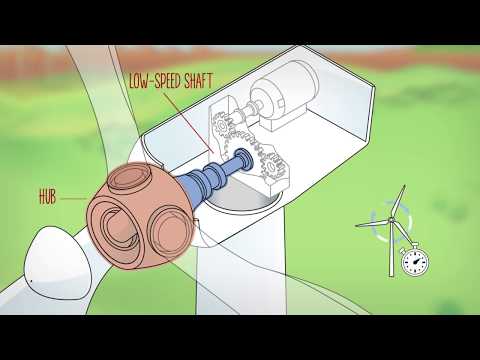
Basically, these small wind turbines use the movement of air (that’s the wind) to generate electricity. When the wind blows, it pushes against the blades of the turbine. This pushes them to spin around a central hub, which connects to a generator inside. As the hub turns, it creates energy through electromagnetic induction—a fancy way of saying that moving magnets inside coils of wire create electricity.
The Parts
These turbines have a few key parts you should know about:
- Blades: They catch the wind and turn it into rotational energy.
- Nacelle: This is like a big box on top of the tower housing the generator and other important bits.
- Tower: It holds everything up high where there’s more consistent wind.
- Controller: This decides when to start or stop generating power based on how much wind there is.
It’s all pretty cool when you think about it! When I was a kid, I had this little paper windmill that spun like crazy whenever there was just a light breeze. I didn’t realize back then we could use that principle on a bigger scale to power homes.
Benefits
So why bother with small windmill generators? Well, they come loaded with benefits:
- Renewable Energy Source: Wind is free and available almost everywhere.
- Lowers Electricity Bills: You generate your own power; less reliance on grid means savings!
- Sustainable: It’s way better for our planet compared to burning fossil fuels.
Just imagine if every home had one! Less pollution and cleaner air could make such a difference.
Your Location Matters
But hey, installing one isn’t just about deciding you want one. The location is super important! You need consistent winds to make it worth your while—if you live in a place with lots of calm days, well… that’s something to consider. Areas near coastlines or open fields usually get good winds.
The Future of Small Wind Generation
As technology advances, these generators are getting smarter and more efficient. Engineers are working on designs that can handle lower winds or even be integrated into existing structures like buildings or rooftops.
At its core, using small windmills for energy is all about harnessing nature in an awesome way—and who wouldn’t want clean energy flowing from just a gust of wind? It really shows how innovative we can be when striving for sustainability while appreciating what Mother Nature has given us.
So there you have it! That’s small windmill generators in a nutshell: simple machines doing big things!
Exploring Innovative Wind Turbines for Sale in the USA: Advancements in Renewable Energy Technology
Sure, let’s talk about wind turbines and the cool stuff happening in the renewable energy world, especially here in the USA.
Wind energy is one of the fastest-growing sources of clean power. Basically, it’s harnessing the wind to generate electricity. So when you see those giant windmills on a hill, they’re not just there for decoration! They’re capturing kinetic energy from the wind and turning it into electrical energy.
Now, small windmill generators are becoming a more popular choice for homes and businesses. These are like mini wind turbines, designed specifically for local use. They can supplement your power needs or even completely off-grid your place.
You might be wondering about how these small turbines work. Well, it’s pretty neat! When wind blows over the blades of these turbines, it makes them spin. This rotation turns a generator inside that produces electricity. Simple as that! The science behind it involves some fancy physics like aerodynamics and electromagnetism.
A few things are exciting about recent advancements in this field:
- Design Innovation: New designs like vertical-axis turbines are hitting the scene. They’re usually smaller and quieter than traditional horizontal ones.
- Improved Efficiency: These newer models have better blade designs that capture more wind energy.
- Turbine Materials: Advances in materials mean they can be lighter but stronger. And that helps with durability against harsh weather.
Let’s chat about some emotional ties here too! I remember visiting a small town where every house had a tiny turbine spinning on their rooftops. It was such an awesome sight! The residents were so proud of generating their own clean power—it just felt good to see folks taking charge of their energy needs while also helping the planet.
But, it’s not all sunshine and rainbows. There are challenges too—like zoning laws or figuring out how windy an area really is before installing one of these babies. There’s also maintenance involved; while they don’t require as much upkeep as you might think, you still wanna keep an eye on them.
In terms of what’s available for sale in the USA today? You can find plenty of options tailored to different needs and budgets—like those cute little backyard models for home use all the way up to larger systems suitable for businesses or farms.
In summary: Wind technology is moving fast with designs getting smarter and more efficient all around us! As people become more eco-conscious, innovations will continue sprouting like new blades on those turbines themselves. So keep your eyes peeled; we’re just getting started with what wind power can do for us—your electric bill may thank you someday!
You know, I’ve always been fascinated by the wind. It’s one of those invisible forces that can whip your hair into a frenzy or gently rustle leaves in the trees. But there’s something kinda magical about how we can actually harness that energy, especially with small windmill generators. Seriously, it’s like having a little piece of nature working for you.
I remember my buddy Jake installed a small wind turbine at his place out in the country. One day, I went to visit him and he showed me how it all worked. He was so excited! The turbine was spinning away, converting that gust of wind into electricity to power his shed and charge up his tools. You could see the pride on his face, like he was some sort of eco-warrior! It really hit me then—this wasn’t just about generating power; it felt like he was taking control of his own energy future.
So let’s break it down a bit. Small wind turbines are usually under 100 kilowatts and can be used in homes or small businesses. They’re great because they can cut down on electricity bills and reduce reliance on fossil fuels—win-win, right? What happens is they capture the kinetic energy from wind using blades that spin around a rotor. That motion turns a generator which creates electricity.
But not every spot is perfect for these little machines. They need enough space to spin freely and suitable average wind speeds—around 5 meters per second is often recommended. I mean, there’s no point in putting one up somewhere where it barely gets breezy!
And here’s where things get interesting: advances in technology have made them more efficient than ever. Better designs and materials mean that even light winds can be harnessed effectively. It’s exciting to think about how we can improve efficiency while keeping our carbon footprint low.
Still, there are some challenges too—like noise or zoning issues that can pop up depending on where you live. Plus, people sometimes worry about how these turbines might affect local wildlife, especially birds. So finding balance is key here—you want to maximize energy production while being kind to nature.
When you see someone putting their own small wind generator into action, it feels empowering and inspiring! Every little bit helps when it comes to renewable energy sources like this—besides, who wouldn’t want free energy from the sky? It makes you feel more connected not only to your environment but also to something bigger—a global effort toward sustainability.
It’s pretty cool when you think about it: Wind isn’t just there for kite flyers or sailboats; it’s also become a part of our everyday lives in such an innovative way. Harnessing it through small windmill generators might just be one of those steps toward a greener future everyone can appreciate—even if they don’t have hair-raising adventures when visiting friends!