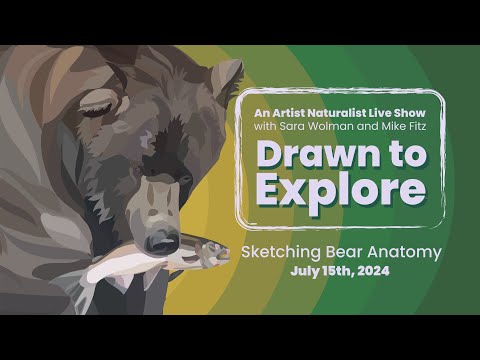
You know what’s wild? Bears can run as fast as a racehorse! Imagine that furry beast galloping with all its might. Pretty crazy, right?
Now, while we often think of bears as these lumbering giants, they’ve got some pretty fascinating anatomy hidden under all that fur. Like, did you ever consider how those claws work or what makes their muscles so strong?
Illustration is not just for art class; it’s a way to unlock the secrets of bear anatomy. Seriously! It’s like having an invite to peek inside one of nature’s most intriguing designs. So let’s chat about how these illustrations help us understand our furry friends a little better.
Exploring the Three Key Distinguishing Features of Grizzly Bears in Scientific Study
Grizzly bears are one of the most iconic animals in North America. They’re fascinating, powerful creatures that have captured the attention of scientists and enthusiasts alike. When we dig into their anatomy and behavior, there are three key features that really set them apart from other bear species. So let’s get into it!
- Size and Build: Grizzlies are huge! Adult males usually weigh between 400 to 790 pounds, while females can be around 200 to 450 pounds. You know, it’s not just about weight; their body structure is muscular and stocky, with a broad head and strong limbs. This build helps them run fast—up to 30 miles per hour—and climb trees when needed.
- Distinctive Hump: One of the most recognizable features of grizzly bears is that big hump on their shoulders. Yeah, it might look a bit odd at first glance, but this hump is composed of muscle that supports their powerful forelimbs used for digging and running. It’s like nature gave them a built-in power booster! Seriously, if you think about how they can dig up roots or tear through tough materials for food, you start to appreciate that unique anatomy even more.
- Circular Claws: Their claws are another standout feature. Grizzly bears have long, curved claws—about two to four inches long—that help them with climbing and digging. These aren’t your average bear claws; they’re designed for strength rather than speed. Can you picture a grizzly using those claws to flip over boulders? It’s pretty impressive!
So there you have it! The key distinguishing features of grizzly bears aren’t just cool facts—they actually play crucial roles in how these majestic animals survive in the wild. Understanding these aspects helps scientists study their behaviors and adapt conservation efforts effectively.
Just imagine being out there in nature, observing one lumbering along with its massive frame or seeing it scale a tree effortlessly because of those strong limbs and claws! It makes you realize how perfectly evolved they are for their environment, right?
Exploring the Symbolism of Bears in Art and Their Scientific Significance
So, let’s talk about bears! They’re not just cute and cuddly (well, most of them), but they’ve got a big footprint in art and science. You might have seen bears in paintings, stories, and sculptures, right? They symbolize strength, courage, and sometimes even wisdom. But there’s a lot more going on under that furry exterior.
When you see a bear in art, it can represent many things depending on the culture. In some Native American traditions, for instance, bears are seen as protectors. They’re depicted in totems and carvings to symbolize bravery or healing. And then there’s that classic image of a bear standing upright—powerful and commanding attention.
But switching gears here to the science side of things. Bears are fascinating creatures. There’s a ton to learn about their anatomy through illustrations that highlight their **massive muscles**, **sharp claws**, and those big old teeth! Seriously—did you know their jaws are incredibly strong? Like enough to crush bones! That’s why you often see these details emphasized in scientific drawings.
- Muscle Structure: Bear bodies are built for strength. Their forelimbs have powerful muscles that help them climb trees or dig for food.
- Hibernation Physiology: Bear anatomy is unique because they can hibernate for months without eating or drinking!
- Diverse Diet: Did you know bears can eat both plants and meat? Their teeth reflect this omnivorous lifestyle; flat molars grind plants while sharp canines tear into meat.
But what’s really wild is how much artists tap into this physicality when creating their works. The way an artist captures the contours of a bear’s body—its fur texture or its stance—can tell you so much about the animal’s behavior or habitat.
For example, many ancient cultures saw bears as symbols of the earth itself—a representation of natural strength and survival instincts. When artists use warm colors or thick brush strokes to depict bears, they’re often conveying this connection with life’s primal forces.
It’s kind of emotional too if you think about it! I remember once visiting an art exhibit where one painting of a bear was so lifelike I could almost feel its presence—it felt like it was watching over me! This connection between art and living creatures is powerful.
So yeah, the symbolism of bears stretches far beyond just being majestic animals roaming around forests. They’ve got deep roots in culture while also being scientifically significant due to their fascinating anatomy and behaviors. It’s like every stroke on canvas or detail in an illustration brings us closer to understanding these incredible beings—and maybe even ourselves too!
Exploring the 7 Levels of Biological Classification for Bears: A Scientific Overview
So, let’s talk about bears and their place in the great big tree of life. You know, the whole biological classification thing? It’s like a family reunion but way more organized. Scientists use this system to group living things based on shared characteristics. There are **seven levels** to this classification, and they give us insight into how bears fit into the natural world.
1. Domain: This is the biggest category. Bears belong to the domain called Eukarya. Basically, that means their cells have a nucleus and other cool stuff inside them.
2. Kingdom: Next up is Kingdom Animalia. So yeah, bears are animals! They move around, eat food (and they’re pretty good at it), and most importantly, they can’t make their own food like plants do.
3. Phylum: In this level, we get a bit more specific with Chordata. This includes all animals with a backbone! So, when you think of bears frolicking or lumbering in the forest, those spines are doing some heavy lifting!
4. Class: Bears fall into the class Mammalia, which is pretty significant because mammals are warm-blooded and usually have fur or hair—and most notably—they nurse their young with milk.
5. Order: Now we step it down to Carnivora. This group includes not just bears but also lions, tigers, and your family pet cat! The name may sound fancy, but it just means “meat eaters.” Even though many bears munch on berries and honey too!
6. Family: At this level, we find Ursidae—the bear family itself! Now here’s where things get interesting; there are several species within this family like the American black bear or polar bear that all share certain traits.
7. Genus and Species: Finally we get super specific with the last two levels! For example, take *Ursus* for genus—this is where you find our big furry friends like *Ursus arctos*, which is your classic brown bear. Each species has its uniqueness while still being part of that bear club!
Understanding these seven levels helps us appreciate not only bears but also their relationship to other creatures in the animal kingdom. You know that moment when you see a photo of a bear catching salmon? It strikes you how interconnected everything is in nature—it’s truly amazing!
So yeah—next time you spot a bear or think about them while enjoying nature documentaries, remember they’re not just adorable creatures living their best life; they’re part of an elaborate biological classification system that showcases how life on Earth is intricately woven together!
You know, there’s something pretty amazing about how bears are built. I mean, when you think of a bear, you might picture this massive creature lumbering through the woods, but there’s so much more happening under all that fur. When you dive into bear anatomy and start to really look at it—especially through illustrations—it’s like unveiling a whole new world.
I remember visiting a natural history museum when I was a kid. There was this gigantic mural of bears in their natural habitat and it totally blew my mind. At the time, I was just in awe of how big they were and how they looked, but the more I think back on it, the more I appreciate the details in those illustrations. Those artists didn’t just paint bears; they captured their anatomy—how their muscles work, where their bones are placed, and even how they move.
Take their paws for instance. Bear paws are like little marvels! They’re designed for both walking over rough terrain and catching slippery fish—like nature’s Swiss Army knife! Illustrators can show you that beautiful balance in detail: the sharp claws for digging or climbing and those strong pads that make them surprisingly quiet for such big animals.
And don’t get me started on their teeth! The artwork can showcase those huge molars for grinding plant material versus those sharp canines that scream “I’m a carnivore!” It really makes you think about what these animals eat and how they survive in different environments. When you see it all laid out visually, it’s like each piece of anatomy tells its own story.
Plus, there’s something really connecting about seeing these illustrations up close; they help bridge the gap between science and art. You get to understand not just what makes a bear tick but also appreciate the artistic flair that brings science to life in such an engaging way.
In essence, whether you’re hiking through a forest or flipping through an illustrated book on wildlife, each time you see a bear—or even just an illustration—you realize there’s so much more beneath the surface than meets the eye. And isn’t that delightful?