You know what’s funny? Most of us think ears are just these weird-looking appendages that hold up our glasses. But they’re so much more than that! Seriously, they’re like tiny intricate machines working hard to bring the world of sound to life.
Ever had a song stuck in your head? Yeah, that’s your ear at work, processing those funky vibrations and sending them straight to your brain. Amazing, right?
So, let’s take a little journey together, like explorers of sound! We’re gonna peek inside the anatomy of the ear. From the outer fluff to the inner workings that would make any engineer jealous! Buckle up; it’s gonna be a fun ride full of cool facts and maybe a few “wow” moments!
Understanding Ear Anatomy: A Comprehensive Overview of the Human Ear Structure in Science
The human ear is a pretty amazing piece of work! Seriously, it’s not just for hearing sound. It helps us balance too. So, let’s break down this complex structure into bite-sized pieces.
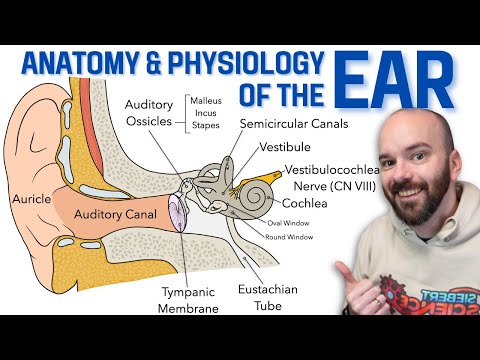
The ear has three main parts: the outer ear, middle ear, and inner ear. Each part plays a unique role in how we hear.
- Outer Ear: This is the part you can see! It’s made up of the pinna (the floppy bit) and the ear canal. The pinna catches sound waves and funnels them down your ear canal like a little tunnel.
- Middle Ear: Once those sound waves reach the end of the ear canal, they hit the eardrum. This thin membrane vibrates when hit by sound. Behind it are three tiny bones called ossicles: the malleus (hammer), incus (anvil), and stapes (stirrup). They amplify these vibrations before sending them to the next part.
- Inner Ear: Here’s where things get really cool. The inner ear has a spiral-shaped structure called the cochlea. Inside it, there are tiny hairs that move when vibrations from the ossicles push fluid around. This movement gets converted into electrical signals that our brain interprets as sound! Also in this area is the vestibular system, which helps with balance.
Now, imagine you’re at your favorite concert, feeling every beat thudding through your body. That’s all thanks to this intricate setup in your ears!
Let’s talk about how these parts work together to create what we call hearing. When you hear music or someone talking, it all starts with sound waves traveling through air. Those waves enter your outer ear and travel down to hit your eardrum and start those vibrations I mentioned earlier.
What happens next is fascinating. The vibrations go through those tiny bones in your middle ear—like a game of telephone—and then get amplified before they finally reach that cochlea in your inner ear. It’s like turning up the volume!
Interestingly enough, our ears don’t just handle sounds but also help maintain balance thanks to that vestibular system I mentioned earlier. Ever been dizzy after spinning around? That’s because those little hairs inside the inner ear send signals to our brain about where we are in space.
Even cooler? Your ears can adapt over time! If you’re exposed to loud sounds often—even if it’s just because you love blasting music—your ears can get better at handling those noises as they adjust sensitivity levels. But hey, take care of them; once they’re damaged from too much loudness—that’s permanent!
In short, understanding your ear anatomy gives insight into how crucial these structures are for daily life experiences—from enjoying music to keeping yourself upright while walking in a straight line after finishing a dance-off with friends!
So next time you hear that catchy tune or catch yourself swaying on public transport, remember—it’s all happening thanks to an incredible journey through your ears!
Understanding Audiology: The Scientific Study of Ears and Hearing
Sure! Let’s take a look at audiology and the amazing journey of sound through our ears.
Audiology is all about studying hearing and balance. You might not think about it much, but understanding how we hear affects a lot in our lives. When you listen to music or have a chat with friends, you’re using your auditory system, which is super complex!
The ear has three main parts: the outer ear, middle ear, and inner ear. Each part plays a cool role in how we perceive sound.
Outer Ear: This includes the part you can see (the pinna) and the ear canal. It basically funnels sound waves into your ear like a little funnel! Those sound waves travel down the ear canal to hit the eardrum.
Middle Ear: Behind that eardrum is where things get interesting! The middle ear contains three tiny bones called ossicles (the malleus, incus, and stapes). They amplify the sound vibrations from the eardrum before sending them into the inner ear. It’s like turning up your favorite song on full blast! Can you imagine how tiny those bones are? They’re about as small as a grain of rice!
Inner Ear: Now we get to the really fancy stuff. The inner ear holds structures like the cochlea and vestibular system. The cochlea looks like a snail shell and is crucial for hearing. Inside it are tiny hair cells that pick up those vibrations and turn them into electrical signals—like translating music into a language that your brain understands.
The vestibular system helps with balance. Ever felt dizzy after spinning around? That’s because your inner ears send signals about movement to your brain.
But here’s where audiology steps in—if any part of this system doesn’t work right, it can lead to hearing loss or balance problems. Audiologists are experts who help diagnose these issues, fitting hearing aids or recommending therapies when needed.
So why does all this matter? Well, think back to when you listened to your favorite song for the first time or heard someone laugh across a room—that joy of connection! Audiology isn’t just about science; it’s about experiences that shape our lives. Trust me; when you dive into this world of ears and sounds, it opens up so many layers of understanding!
In short:
- Audiology studies hearing & balance.
- The outer ear funnels sound waves.
- The middle ear amplifies vibrations.
- The inner ear translates sound into signals.
- Audiologists help manage hearing issues.
Next time you hear something beautiful—like birds chirping or laughter—you’ll know there’s quite a bit of science behind that magic!
Understanding Ear Health: Common Issues and Their Scientific Implications
Understanding ear health is super important, like, we all love to hear our favorite songs or laugh with friends, right? So let’s break down a few common ear issues and their scientific implications.
The Ear Anatomy
Before diving into problems, it’s good to know what we’re working with. Your ear has three main parts: the outer ear, the middle ear, and the inner ear. They help us hear sounds by working together like a well-oiled machine.
- Outer Ear: This is the part you can see. It’s like a funnel that catches sound waves.
- Middle Ear: Here’s where things get interesting! This section has tiny bones that vibrate when sound waves hit them.
- Inner Ear: This part includes the cochlea, which is shaped like a snail. It converts vibrations into signals to send to your brain.
Now that we’ve got that covered, let’s talk about some common issues.
Ear Infections
These are super common, especially in kids. They happen when bacteria or viruses get into the middle ear. It can cause pain and fever and might even affect hearing temporarily!
You know what’s wild? Most kids have at least one of these infections by age three! It’s pretty typical for them to be cranky during an infection because who wouldn’t be with an aching ear?
Tinnitus
Ever heard that annoying ringing in your ears after a concert? That’s called tinnitus. It can happen for lots of reasons—loud noises, stress, or even age-related hearing loss. Tinnitus isn’t a disease itself; rather it’s a symptom of an underlying issue.
Imagine if you were in bed trying to sleep while that ringing just wouldn’t stop… frustrating, right? That constant noise can drive people up the wall!
Hearing Loss
This one’s huge! Hearing loss doesn’t just come from aging (though that plays a big role). Loud noises over time can damage the tiny hair cells in your inner ear that help transmit sound signals. So rocking out too loud could be more than just fun; it could lead to some serious hearing challenges later on.
And guess what? Some people experience sudden hearing loss due to factors like viral infections or head trauma. That could throw anyone’s typical day totally off balance!
Eustachian Tube Dysfunction
Ever felt your ears pop when you’re on an airplane or going up a mountain? That pop is your Eustachian tube doing its job! But sometimes it gets clogged due to allergies or sinus infections—making you feel really uncomfortable.
It can lead to pressure build-up that’s seriously annoying… imagine being underwater and not being able to equalize pressure—that’s kind of how it feels!
So yeah, taking care of your ears is vital for maintaining good health overall. Just think about all those moments you enjoy because you can hear them—music blasting at concerts, friends chatting over coffee, or nature sounds during hikes.
If you notice any changes in your hearing or ongoing issues with your ears, it might be wise to chat with a healthcare professional specializing in this area—better safe than sorry! Remember: healthy ears = happy life!
You know, the ear is such a cool part of our body. It’s not just for hearing, but also plays a role in balance and even how we perceive our surroundings. I remember when I was a kid, I got this little toy that amplified sound. It looked kinda like those old-fashioned hearing aids but more colorful. I used to press the button and hear my family from the other room, giggling as they tried to talk quietly about birthday surprises. It made me realize how incredible sound really is.
So, let’s break down this amazing structure we often take for granted. Your ear has three main parts: the outer ear, middle ear, and inner ear. The outer part is what you see—yep, that ear shape that sticks out! Its job is to catch sound waves like a funnel and direct them into the ear canal.
Once those sound waves travel down the canal, they hit your eardrum—a thin membrane that vibrates in response to all those sounds. Think of it like a tiny drum; when it gets hit by sound waves, it makes those vibrations go on an adventure into your middle ear!
In the middle ear, there are three tiny bones called ossicles: the malleus (or hammer), incus (the anvil), and stapes (the stirrup). They’re like a little team working together to amplify those vibrations before passing them along to the inner ear. Can you imagine? These tiny bones doing such an important job—it’s kind of mind-blowing!
Now for my favorite part—the inner ear! This is where things get really interesting. It contains the cochlea, which looks like a snail shell and helps turn vibrations into electrical signals that our brain can understand as sound. Plus, there’s also the vestibular system that helps us with balance—you know how if you spin around too fast you get dizzy? Well, that system’s hard at work keeping us upright while we navigate our day.
I guess what strikes me most about all this is how everything works together seamlessly without us even thinking about it—like an orchestra playing in perfect harmony! Next time you hear your favorite song or someone calling your name from afar, just remember how intricate and beautiful your ears are. Seriously—next time you’re jamming out or just enjoying listening to nature sounds outside, take a moment to appreciate this little miracle we all share!