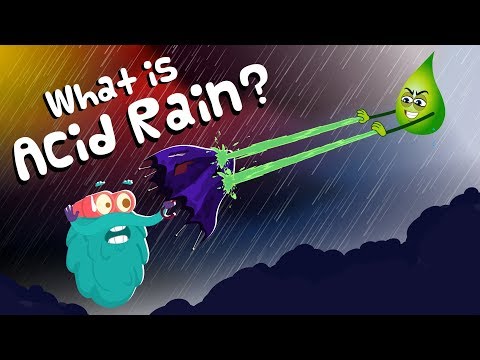
So, picture this: you’re out in the park, enjoying a sunny day. Suddenly, a light drizzle starts. You tilt your head up and—bam! It’s not just rain; it’s like Mother Nature’s crazy chemistry experiment gone wrong. Yup, that’s acid rain for ya.
Now, before you run for cover, let’s chat about what that even means. Acid rain sounds all scary and stuff, but it’s really about what we humans put into the air—like pollution from cars and factories—mixing with moisture up there. Yeah, it doesn’t end well for our ecosystems.
You might be thinking, “What’s the big deal?” Well, let me tell you: this stuff can mess with plants, animals, and even our water sources. It’s like a bad hangover after a night of too many tacos—nobody wants that! So grab your favorite snack as we dive into the wild world of acid rain pollution and its effects on our lovely ecosystems.
Understanding Acid Rain Pollution: Causes, Effects, and Scientific Implications
Acid rain is one of those terms that can sound a bit scary, but it’s really about understanding how our actions can affect nature. Basically, it’s rain that has become acidic due to pollutants in the air. When emissions from things like cars, factories, and power plants mix with water vapor, they create acids. These are mainly sulfuric and nitric acids which come from sulfur dioxide (SO2) and nitrogen oxides (NOx).
So here’s the deal: when these gases rise into the atmosphere, they react with water molecules. The end result? Rain that has a pH level lower than 5.6, which is way more acidic than normal rainwater. You might think this isn’t a big deal, but it really can be.
Now, let’s talk about some of the causes. The primary sources include:
- Fossil fuel combustion: When we burn coal or oil for energy.
- Vehicle emissions: Cars and trucks releasing nitrogen oxides into the air.
- Industrial processes: Factories emitting sulfur dioxide during production.
All these activities release harmful pollutants into our atmosphere. And it doesn’t just stop there!
You know what gets affected massively by acid rain? Ecosystems! Trees can suffer from weak growth if their leaves are damaged by these acidic droplets. I remember going hiking once and seeing some trees looking all sickly—leaves turning yellow or dropping off prematurely; I learned later that acid rain could have played a part.
Acid rain can also harm soil quality. It leaches nutrients like calcium and magnesium out of the soil, which plants need to thrive. Imagine trying to grow your favorite flowers without giving them essential nutrients; not a pretty picture!
And then there are water bodies—rivers and lakes that get affected too! Acidification makes life tough for fish and other aquatic creatures. Fish eggs can fail to hatch in highly acidic waters, while adult fish might struggle to survive. Seriously, acid rain messes with their entire habitat.
Now let’s not forget about buildings and structures! They’re not immune either. Acid rain can erode stone monuments or buildings made of limestone or marble over time—think about how the Parthenon in Greece has suffered from pollution!
When you consider all these impacts on ecosystems and structures alike, you start seeing why scientists take acid rain seriously. People are working on reducing emissions through stricter regulations on vehicles and industrial operations.
In summary, even though it sometimes feels far away from our daily lives, understanding acid rain pollution helps us appreciate how interconnected everything is in nature—from our actions to the environment around us. Every little effort we make to reduce pollution counts because clean air today means healthier ecosystems tomorrow!
Exploring the Environmental Impact: Two Harmful Effects of Acid Rain on Ecosystems
Acid rain, wow, what a topic! It’s basically rain that’s more acidic than normal because of pollution. The stuff we release into the air from burning fossil fuels, like coal and oil, reacts with water vapor and forms acids. This can seriously mess with ecosystems in some pretty harmful ways.
One major effect of acid rain is its impact on soil health. When acid rain falls, it leaches essential nutrients right out of the soil. Nutrients like calcium and magnesium are crucial for plants’ growth. Without them, you might see stunted growth or even die-offs in trees and other plants. Imagine walking through a forest that used to be lush but now looks sad and sparse; that’s the kind of destruction we’re talking about.
- Forest ecosystems are particularly hit hard. For instance, when acid rain reduces nutrient levels, trees can become weak and more susceptible to disease.
- On a personal note, I remember hiking in a beautiful forest that suffered from acid rain effects. It was shocking to see how many trees were discolored or had cracked bark. The entire vibe was off.
The second big issue is water quality. Acid rain can make lakes and rivers more acidic than they should be. This change can be lethal for aquatic life. Fish like trout and salmon need specific pH levels to survive; too much acidity can wipe them out.
- For example, a lake that used to teem with fish might find its stocks dwindling if acid rain falls consistently over time.
- Think about it: losing fish also means losing the birds and other animals that rely on these fish for food. It’s all interconnected!
So there you have it—acid rain has a significant impact on both soil health and water quality in ecosystems. It’s not just boring science stuff; it’s real-world problems affecting nature around us! You follow me? It’s essential to recognize how our actions have these far-reaching consequences so we can work on solutions together!
Understanding the Ecological and Environmental Impacts of Acid Rain: A Scientific Analysis
Acid rain is one of those things that sounds pretty scary, doesn’t it? But like, what exactly is it? Well, acid rain isn’t just rain that’s had a bad day. It refers to rain or any type of precipitation (like snow or sleet) that has higher levels of acidity than normal. This acidity mainly comes from emissions of sulfur dioxide (SO₂) and nitrogen oxides (NOₓ), which are released into the air when fossil fuels are burned. They mix with water vapor in the atmosphere and create sulfuric and nitric acids.
Now, you might be thinking, “So what? It’s just some rain.” But here’s where it gets serious! Acid rain can have a serious impact on ecosystems. When this acidic water falls on plants, trees, and soil, it can cause major problems.
Here are some key effects:
- Plants and Trees: Acid rain can damage leaves by leaching important nutrients like calcium and magnesium right outta the foliage. This weakens them and makes them more susceptible to diseases.
- Soil Quality: The soil itself can become more acidic too. This change can hurt the tiny organisms that help decompose matter, affecting everything from plants to animals.
- Water Bodies: Rivers and lakes catch this acid rain too! A drop in pH levels makes life tough for fish and other aquatic creatures. For example, species like trout thrive in slightly acidic conditions but struggle when waters turn too sour.
- Aquatic Life: Not just fish; think about frogs or insects which rely on those water bodies! As pH drops, these ecosystems shift dramatically—leading to fewer species surviving.
- Biodiversity Loss: Overall biodiversity can suffer because certain species may vanish while others take over, leading to a not-so-great imbalance in natural habitats.
Let me share something personal—one time I visited a lake known for its crystal-clear waters; turns out it was suffering from acidification. The local fish population had dwindled severely due to acid rain effects. Seeing everything so lifeless made me realize how interconnected these ecosystems really are!
Also remember human impacts because we’re part of this big picture too! Acid rain doesn’t just mess with nature; it can even corrode buildings and monuments. You know those beautiful historical sites? Yeah—they take a hit as well when acid starts eating away at stone structures.
One thing that’s worth mentioning: solutions do exist! Transitioning to cleaner energy sources reduces the emissions causing acid rainfall. Regulations have been put in place in many places aimed at lowering pollution levels.
So there you go—the next time you hear about acid rain, you’ll know it’s more than just wet weather with an attitude—it signals shifts within our environmental systems that we need to pay attention to! Understanding these impacts helps us act towards protecting our planet for all its inhabitants—plants, animals, and humans alike.
You know that feeling when you step outside right after it rains, and the world just seems brighter and fresher? Well, for a lot of places, that moment can be a bit misleading. I mean, sure, rain is usually good for plants and animals, but sometimes it can be kind of a double-edged sword. Acid rain is like that unexpected plot twist in a movie—you never see it coming until it’s too late.
So, acid rain happens when regular rain mixes with pollutants in the air. Things like sulfur dioxide and nitrogen oxides, released from burning fossil fuels or even volcanic eruptions, can combine with water vapor in the atmosphere to create sulfuric and nitric acids. The result? Rain that’s way more acidic than what our ecosystems are used to.
I remember driving through a forested area once after a heavy storm—and honestly, it was heart-wrenching to see some trees looking all sad and wilting. It turns out acid rain can strip away the nutrients that trees need to thrive. Picture this: trees are like those friends who constantly support you when you’re down. But what if they started losing their strength? Everything around them would suffer too; plants wouldn’t grow as well, animals would lose habitat—it’s a real chain reaction.
Then there’s the water aspect. Lakes and streams can absorb all this acidic runoff. Fish populations can take a hit when their habitats become too acidic for them to survive. I’ve heard stories about how entire lakes have become lifeless because they became inhospitable for fish—just imagine standing by one of those lakes where there should be splashes of life but instead… nothing.
And let’s not forget about soil! Acid rain alters its chemistry too, leaching essential minerals away while adding unwanted metals like aluminum into the mix. It’s like ruining your favorite recipe by adding salt instead of sugar—it ends up all messed up!
But here’s what’s hopeful: awareness is growing! More people are starting to realize how important it is to tackle pollution at its source. Whether it’s promoting cleaner energy or supporting policies aimed at reducing emissions, every little bit counts.
In essence—and I really mean this—our planet deserves better than acid rain wreaking havoc on its ecosystems. It reminds us that we’ve got to look out for one another—not just as humans but as stewards of this beautiful earth we call home. So next time you feel the raindrops on your skin, take a moment to appreciate nature’s beauty while also recognizing that we’ve got work to do!