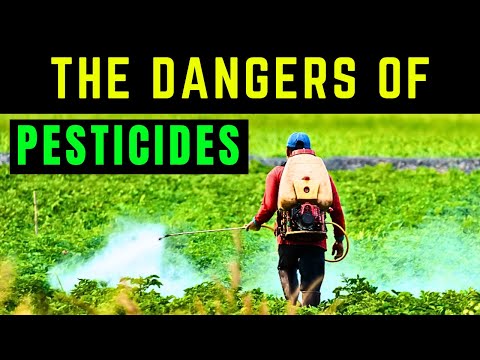
So, there I was, chilling in my backyard, sipping iced tea, and suddenly this cloud of something dark floated by. At first, I thought it was a bird… or maybe even a tiny UFO! Turns out, it was just pesticides. Seriously!
You’d think we’re living in some sci-fi movie where chemicals just hang around waiting to mess everything up. But nope, it’s real life. These little buggers are everywhere—on our food, in the air, and yes, even in our water!
And while they help farmers grow those juicy strawberries we love, they’re also doing a number on our ecosystems and health. It’s kinda wild to think about how something meant to protect can also harm.
So let’s chat about this whole pesticides pollution thing. What does it mean for us and the world around us? Buckle up; it’s gonna be an eye-opener!
Exploring the Environmental and Health Impacts of Pesticides: A Scientific Analysis
Pesticides are these chemicals used to kill pests that threaten crops. Sounds useful, right? Well, they might help farmers grow more food, but there’s a flip side to the story. The thing is, pesticides don’t just sit in the fields; they can drift into nearby ecosystems and even end up in our homes.
Let’s break it down a bit. Pesticides can cause serious harm to wildlife. For example, when they wash off fields during rainstorms, they can get into rivers and lakes. Think about fish swimming in those waters; exposure can lead to reproductive issues and even death. Birds are also affected since insects form a big part of their diet. If insects are contaminated with pesticides, birds might consume those and suffer health issues too.
Then there’s the concern about human health. Farmers applying these chemicals face the highest risk because they’re the ones directly handling them. But it’s not just them—residents near agricultural areas can be exposed as well. Studies have shown links between pesticide exposure and various health problems like respiratory issues or neurological disorders. Imagine being sensitive to certain smells and suddenly finding out that those chemical fragrances could actually be affecting your brain!
You know how some people have allergies? Well, certain pesticides can exacerbate those conditions too. When pollen interacts with chemicals lingering in the environment, it might lead to more intense allergic reactions for folks who usually just sneeze a little during spring.
Now let’s chat about ecosystems. Pesticides don’t discriminate; they impact beneficial insects as well! Take bees—a crucial part of our food system due to their pollination work. If we keep using harmful pesticides like neonicotinoids, we risk losing these little guys in huge numbers.
And let’s not forget about soil health! When pesticides accumulate in the ground over time, it disrupts *everything* living there: bacteria, fungi—basically all those tiny organisms that keep our soils healthy and productive. Without them doing their magic, crops struggle to grow properly.
So here’s the kicker: while pesticides might seem like an easy fix for pest problems on farms or gardens, their long-term impacts reveal a much larger issue at hand—the balance of life around us is at stake! So yeah, next time you hear someone mention pesticides, think about all that comes with them—not just crop yields but also potential risks for both health and wildlife alike!
To put this all together:
Key Environmental Impacts:
- Harmful effects on aquatic life.
- Threats to bird populations through contaminated prey.
- Disruption of soil ecosystems affecting plant growth.
Key Health Impacts:
- Increased risks for farmers in direct contact.
- Potential neurological disorders from chronic exposure.
- Exacerbation of allergies due to environmental interactions.
The bottom line? It’s super important for us all—farmers, consumers, and policymakers—to consider alternatives or safer practices when dealing with pests without compromising our ecosystems or health!
Exploring the Detrimental Impact of Pesticides on Human Health: A Scientific Analysis
Pesticides are those chemicals we often hear about that farmers use to keep bugs and weeds away from crops. But what you might not know is that while they’re great for boosting crop yields, they can have some serious downsides—especially when it comes to human health. So let’s break this down.
First off, pesticides can end up in the places we least expect. Think about it: if you spray your garden, rain or wind can carry those chemicals into nearby streams and rivers. That’s just one way they spread. Once they’re in the environment, they can linger around for a long time, kind of like that one friend who overstays their welcome!
Now, onto the health part. Some pesticide exposure is pretty easy to miss. You might think you’re safe after just washing your veggies, but not all pesticides wash off easily. Studies have shown links between pesticide exposure and various health issues among farmers and people living nearby. Here’s a quick look at some problems:
- Neurological Issues: Some pesticides are known neurotoxins—basically, they mess with your nervous system. Ever heard of Parkinson’s? Research suggests there’s a connection.
- Reproductive Health Problems: Pesticides have also been linked to fertility issues. Things like low sperm counts and hormone disruptions could be at play here.
- Cancers: Certain pesticide exposure has been associated with increased risks of cancers like lymphoma and leukemia.
But wait! It’s not just farm workers who are affected; it’s everyone. Think about kids playing outside where those chemicals might have drifted in from agricultural fields or even from local gardening activities. A child’s developing brain is more vulnerable than an adult’s, making them more susceptible to neurodevelopmental issues.
If you’re curious about how these things accumulate over time, there’s this idea called biodiversity loss. When we use pesticides heavily, we’re not just harming insects but also birds and other wildlife that depend on those insects for food. Less biodiversity can lead to ecosystem imbalances—yikes! Imagine a world where the bees start disappearing because their food sources are gone; that would affect our food supply too.
And here comes the kicker: many of these effects don’t show up right away. It could take years before you notice something’s wrong—a bit like finding out your car needs repairs only when it’s too late! Researchers emphasize the need for better regulations and safer alternatives as well as more public awareness around this issue.
The bottom line? Pesticides may help farmers grow healthy foods faster but at a potential cost to human health and ecosystems. Keeping an eye on how we use them is crucial—not just for us now but also for future generations.
Exploring the Environmental Consequences of Pesticide Use: A Scientific Analysis
Alright, let’s chat about pesticides and how they mess with our environment. You’ve probably heard of pesticides before, right? Those chemicals used to kill pests that threaten crops. Sounds handy, but there’s a darker side to them that we really need to talk about.
First off, when we spray pesticides on crops, they don’t just disappear into thin air. Some of them drift away, landing on nearby plants or even in water sources. It’s like if you spill juice at a picnic—some of it goes all over the place!
Now, here’s where things get tricky. Pesticides can affect the soil. They might kill not just the bad bugs but also beneficial ones—like earthworms and microbes that help keep the soil healthy. Without these little guys working their magic, you can end up with poor soil quality, which means weaker plants and worse harvests in the long run.
Let’s talk about water next. When it rains, those pesticide residues can wash away into rivers and lakes. This leads to water pollution, affecting fish and other aquatic life. If you think about it, it’s like contaminating a nice lake where families go fishing. Imagine catching a fish only to find out it’s filled with chemicals!
The impact doesn’t stop at wildlife; it hits us humans too! Pesticides have been linked to several health problems such as headaches, nausea, and even more serious stuff like cancers. Those working on farms are often at higher risk because they’re directly exposed to these chemicals every day.
- Affecting Biodiversity: The use of pesticides can lead to decreased biodiversity as many species get wiped out.
- Pest Resistance: Over time, some pests become resistant to pesticides—making the problem even worse.
- Food Chain Impact: Chemical runoff enters streams and lakes; animals eat contaminated prey which affects entire ecosystems.
I remember a story where a farmer switched from chemical pesticides to organic methods after noticing fewer butterflies in his fields over time. After he made the change, those fluttering beauties came back! It was amazing how quickly nature responded when given a chance.
The thing is, we need balance here! Pesticides do have their place in protecting crops but finding eco-friendly options or practices can help minimize all those negative impacts we chatted about earlier.
If you ever hear someone talk about “integrated pest management,” that’s basically using different strategies together rather than just relying on one method—kind of like having multiple tools in your toolbox instead of just one hammer!
The bottom line? While pesticides are beneficial for growing food efficiently, they come with a hefty environmental price tag that affects everything from soil health to human well-being. So yeah, let’s be mindful about how we use them moving forward!
So, let’s talk about pesticides for a sec. You know, those chemicals that farmers use to keep pests away from crops? At first glance, they seem super helpful—after all, who doesn’t want to munch on a juicy apple without worrying about creepy crawlies? But then, you start to peel back the layers, and it gets a bit more complicated.
I remember this one time my friend took me on a tour of her family’s farm. It was kind of magical: fields stretching as far as the eye could see, rows and rows of vibrant plants. But then she mentioned how they had to spray pesticides regularly. I couldn’t help but feel a little uneasy. What’s sprayed on these crops could end up in our food. And that’s not just an abstract worry; studies have shown that some of these chemicals can seep into rivers and lakes, affecting not just crops but entire ecosystems.
And let’s not forget about us humans! There’s been some research suggesting links between pesticide exposure and health issues—stuff like respiratory problems or even neurological effects. It makes you think twice when you’re at the grocery store loading up on fresh produce.
Now picture this: all those tiny creatures in the soil—the worms and insects—doing their thing to keep our environment thriving. When pesticides wash away or settle in unexpected places, they disrupt this delicate balance. You might notice fewer butterflies flitting about or birds chirping in your backyard; that’s often because of pesticide use affecting their habitats.
But it’s not like we’re stuck in this cycle forever! Farmers are exploring organic methods and integrated pest management techniques. It’s hopeful to see changes happening bit by bit; more people are becoming aware of what goes into our food systems.
In the end, it boils down to awareness—what we eat impacts our health and the world around us. And isn’t it kind of empowering to think we can choose better options where possible? So next time you’re at the market or planting your own garden, just remember: every choice counts!