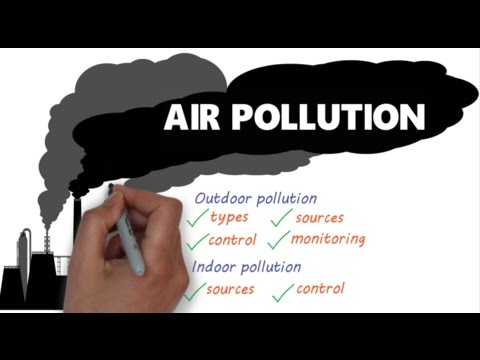
You ever notice how some days the sky looks super clear, like a giant blue canvas? And then other days, it’s all hazy and gray? Yeah, that’s not just your imagination. It’s air quality in action!
So, picture this: you’re out for a jog, feeling fresh. Suddenly, you catch a whiff of something funky. You’re not sure if it’s your neighbor’s barbecue or something else entirely. You start to wonder about what exactly you’re breathing in.
Air pollution is like that sneaky villain in a movie—always lurking, but often ignored. It affects us way more than we realize! From the quality of the air we breathe to our health and even our moods… it plays a big role in our daily lives.
Let’s chat about air quality science—tracking pollution and its effects on us humans. Sounds like a heavy topic, right? But trust me, it can be kinda wild and definitely worth knowing about!
Exploring the Science of Global Warming: Causes, Consequences, and Solutions
Global warming, huh? It’s a big topic, but let’s break it down easily. So, basically, global warming refers to the rise in Earth’s average temperature due to increased levels of greenhouse gases in the atmosphere. This happens mostly because of human activities. You know, things like burning fossil fuels for energy, deforestation, and even agriculture. It’s like we’re piling up blankets on our planet!
Now, what exactly are these greenhouse gases? Well, the main culprits include carbon dioxide (CO2), methane (CH4), and nitrous oxide (N2O). When we burn coal or gasoline to power our cars or heat our homes, CO2 is released. Methane often comes from livestock and rice paddies—yes, cows are a major player here! And nitrous oxide gets released from fertilizers used in farming.
You see all this pollution around you? That’s part of the problem too. Air quality science looks at how pollution affects both our health and the environment. With more pollutants in the air—thanks to industrial activities and vehicle emissions—we not only contribute to global warming but also to serious health issues like asthma or heart disease.
- Causes: The major causes of global warming are human actions that increase greenhouse gases.
- Consequences: Rising temperatures lead to more extreme weather events, melting ice caps, and rising sea levels.
- Solutions: We can reduce emissions by using renewable energy sources such as wind or solar power.
The consequences? Oh man! They’re pretty daunting. For starters, as Earth warms up, **ice caps and glaciers** are melting faster than you can say “climate change.” This results in rising sea levels which can flood coastal cities. Also, think about extreme weather patterns—more hurricanes here and droughts there—it’s all connected! Remember Hurricane Katrina? That was one of those events that really showed us what happens when nature gets angry.
If you ever watched a wildfire news report or heard about a heatwave in Europe during summer—those are signs of how climate change is already shaking things up across the globe. It’s affecting crops too; some regions might turn into deserts while others face floods.
You might be asking yourself: “What can we do?” Well, it turns out there are loads of solutions! First off: wake up to renewable energy. Switching from fossil fuels to resources like wind or solar can drastically cut down on greenhouse gas emissions. Plus, consider conserving energy by turning off lights when you leave a room or using public transport instead of driving everywhere!
And planting trees? Super important! They absorb CO2 and improve air quality—talk about killing two birds with one stone! Seriously though; even small actions like recycling help reduce waste that would otherwise create more pollution.
To sum it all up: global warming is real; it affects us now and will continue if we don’t act responsibly. By understanding what causes it—and how pollution plays a role—we can take steps toward solutions that not only help our planet but make life better for everyone on it!
Exploring the Impact of Air Pollution on Human Health and Ecosystems: A Scientific Perspective
Let’s chat about air pollution. You probably know it’s a big deal, but do you really grasp how it impacts us and the world around us? The thing is, air pollution isn’t just an eyesore; it messes with our health and ecosystems in some serious ways.
First off, why does air quality matter? Well, clean air is vital for everyone. We breathe in a mix of gases every day, and when that air is polluted, we’re inhaling stuff that can cause some pretty nasty health issues.
- Respiratory problems: Ever felt a cough coming on after being outside in smoggy weather? Airborne particles can irritate your lungs. Conditions like asthma or chronic bronchitis can get worse because of this.
- Cardiovascular diseases: Believe it or not, breathing dirty air can increase your risk of heart attacks and strokes. Pollution makes your blood vessels less flexible, which isn’t good at all.
- Mental health: Studies are showing links between poor air quality and mental health issues. It’s wild how something so invisible could affect how we feel mentally!
I remember walking through a city park once and noticing how heavy the air felt. It was sticky, thick—just hard to breathe as I jogged along. That experience sticks with me because it highlighted how our environment can impact our daily lives.
Now let’s talk about ecosystems—those intricate webs of life around us. When we pump pollutants into the atmosphere, they settle back down to earth through rain or just drift into trees and plants.
- Affects on wildlife: Animals are affected too! Birds could breathe in harmful pollutants which might impact their nesting habits or reproductive health.
- Ecosystem balance: Plants aren’t immune either; when they absorb certain pollutants, their growth gets stunted or they become more susceptible to disease. This disrupts food chains.
- Aquatic life: Airborne chemicals often end up in water bodies after falling as acid rain. This adds another layer of stress on fish and other aquatic organisms, impacting biodiversity.
If you think about it, everything is connected. When we mess with one part of the system—like contaminating the air—we’re also throwing others out of balance. Mother Nature doesn’t like that much!
The effects aren’t just immediate either; they can linger for years! In urban areas where pollution levels are high, children growing up there may face long-term health consequences that stick with them into adulthood.
- Younger populations at risk: Kids’ lungs are still developing; they’re more sensitive to pollutants than adults might be.
- Aging population concerns: Elderly folks also face heightened risks since their immune systems aren’t as robust anymore.
The reality is that clean air isn’t just for nice sunny days—it’s essential for everyone’s well-being! Tackling air pollution requires teamwork across communities and countries because we all share this planet together.
The next time you step outside for fresh air, take a moment to appreciate its value while acknowledging the challenges posed by pollution lurking around us!
Exploring the 10 Critical Effects of Air Pollution on Human Health and the Environment
Air pollution is one of those things that affects us all, whether we realize it or not. It can sneak into our lives in ways we don’t even notice until it’s too late. So, let’s chat about some critical effects of air pollution on human health and the environment.
First off, respiratory problems are a biggie. The air we breathe can carry harmful particles like dust, smoke, and chemicals. When these enter our lungs, they can cause issues like asthma or chronic bronchitis. You know someone who’s always coughing during spring? Yep, that could be linked to air quality!
Cardiovascular diseases also have a close relationship with air pollution. Fine particles in the air can travel deep into your bloodstream and cause heart attacks or strokes. Imagine just going for a jog and putting your heart at risk because of dirty air around you—scary stuff!
The effects aren’t just internal; our nervous systems aren’t spared either. Research suggests that long-term exposure to polluted air may be linked to neurological disorders like Alzheimer’s and Parkinson’s disease. Can you believe that something so invisible could potentially harm your brain?
- Mental health issues: Studies link poor air quality to conditions like anxiety and depression. The connection might seem odd, but chronic exposure stresses the body out, creating an emotional toll.
- Pregnancy complications: Pregnant women exposed to high levels of pollution might face risks like low birth weight or premature delivery. This adds extra pressure on expectant moms as they navigate their journey.
- Cancer risk: Certain pollutants are known carcinogens. For instance, prolonged exposure to benzene can increase the likelihood of developing leukemia.
- Effects on children: Kids are more vulnerable! Their lungs and brains are still developing, making them at higher risk for diseases caused by pollutants compared to adults.
- Ecosystem damage: Air pollution doesn’t just affect people; it harms plants too! Pollutants can stunt growth in trees and crops while affecting biodiversity in ecosystems.
- Climate change: Some pollutants contribute to greenhouse gases, exacerbating global warming trends. So breathing in dirty air isn’t just bad for your health; it’s hurting the planet!
- Economic impact: Poor air quality often leads to increased healthcare costs and lost productivity due to sicknesses related to pollution. It stretches financial resources thin for both individuals and society.
The takeaway here? Air pollution messes with our health big time! From respiratory issues to affecting mental well-being—it’s pretty serious stuff you don’t want lingering around in the background of your life.
If you’ve ever noticed how sometimes clear blue skies feel so refreshing after a bout of bad weather—it makes sense! Clean air is essential for not only a healthy life but also a thriving environment around us.
So next time you’re outside taking in some fresh air (hopefully), remember all those factors at play above your head—you’ll appreciate clean skies even more!
Think about that time you stepped outside and, boom, you were hit by a wall of smog or that nasty haze. It’s kinda unsettling, isn’t it? Air quality is one of those things that often slides under the radar until we feel its effects—like when your throat gets scratchy or your eyes start watering. Honestly, it’s more important than we might realize.
So, here’s the deal: air pollution is like this invisible layer of bad stuff floating around us. It comes from tons of sources—cars spewing exhaust, factories pumping out waste, burned trash. Just yesterday, I read about how wildfires release smoke that drifts for miles. Crazy how these things can impact not just our health but also the air we breathe every day.
Speaking of health, let’s talk about how pollution sneaks into our bodies. You know those little particles in the air? Some are so tiny they can wiggle their way deep into our lungs and even enter our bloodstream! It’s like they have a VIP pass to our systems. And then what? Well, it can lead to some serious issues over time—like asthma flare-ups or even heart disease. Ugh!
Tracking pollution is super crucial for understanding what we’re dealing with. Scientists use all sorts of gadgets and gizmos to monitor air quality—think sensors placed in cities that give real-time updates on pollution levels. That means if you want to see if it’s safe to go for a run outside or if you should stay indoors with your favorite Netflix show, there’s data to help you out.
But wait! There’s more! Air quality isn’t just about health; it’s tied to climate change too. When we burn fossil fuels or clear trees for agriculture, we’re not just messing with the air—we’re shaking up everything else too! It’s all connected in this big web of life; changing one part can shift another.
It makes me think about responsibility too. We’ve got some power here! By being aware of the air quality and making conscious choices—like carpooling or using public transport—we can contribute to cleaner air for ourselves and future generations.
So next time you step outside and take a deep breath, be mindful of what’s in the air around you. Because let’s face it: clean air is kinda essential for living life at its fullest!