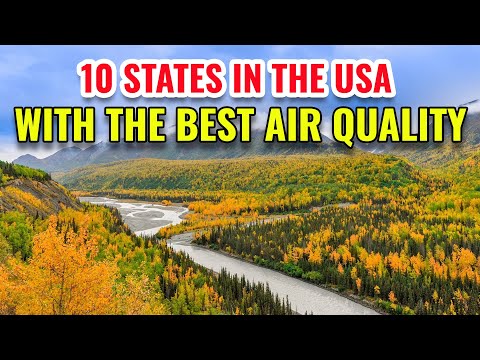
You know that feeling when you step outside and take a deep breath, only to realize it’s like inhaling a cloud of smog? Yeah, not fun.
So, here’s the kicker: air quality isn’t just about the weather or how many cars are on the road. It’s a big deal that can seriously mess with our health. I mean, who wants to cough like an old chimney?
But here’s where it gets interesting. Air quality trends can actually vary from state to state. Some places have cleaner air than others, which kind of blows your mind, right?
In this little chat about air quality across the U.S., we’ll dig into what those trends mean. You’ll see how things like industrial pollution and wildfires play a role in what we’re breathing in every day. So hang tight!
Scientific Analysis of Air Quality Trends Across U.S. States: Insights and Implications for 2022
Okay, let’s chat about air quality trends in the U.S. It’s a pretty big topic, but don’t worry—we’ll break it down. It’s one of those things that really affects our daily lives, even if we don’t notice it right away.
First off, air quality refers to the condition of the air within our environment. It can be impacted by loads of things—traffic, industry, wildfires—you name it. The levels of pollutants like particulate matter (PM), nitrogen dioxide (NO2), and ozone (O3) are all super critical in determining how clean or dirty that air is.
You may recall 2020 and the pandemic lockdowns—remember when everything seemed quieter? Well, that had a pretty interesting effect on air quality. Many states saw a drop in pollution levels as fewer cars were on the road. But it’s not just about those short-term changes; looking at long-term trends is key.
Now, a few states really shine when we talk about improving air quality:
- California: Despite being notorious for smoggy skies, they’ve made huge strides thanks to regulations on vehicle emissions and fuels.
- Pennsylvania: They’ve tackled pollution from coal plants more aggressively lately and are seeing improvements.
- Maine: Cleaner energy sources have helped keep their air fresher compared to many other states!
The implications? Well, they’re significant! Better air quality can lead to improved health outcomes. Fewer respiratory issues mean people spend less time sick and more time enjoying life—like hanging out with friends or going for hikes!
Buuut not all trends are rosy. Some states are still facing challenges with high levels of ozone during summer months or spikes of wildfire smoke affecting areas far from the fire source itself. It’s important to keep an eye on these issues because they can change quickly based on weather patterns and human activity.
The science behind measuring air quality is pretty cool too! Scientists use networks of monitoring stations across different states that check for pollutants regularly. They analyze this data over time to spot patterns—the ups and downs in air quality—and they’re always looking for ways to make things better.
Your health can benefit from cleaner air; it’s simple math—less pollution equals healthier lungs! And if you live in an area that has been improving? That’s something to celebrate! We’re all interconnected; what happens in one state can affect another due to wind patterns carrying pollutants around.
The bottom line is this: maintaining good air quality requires ongoing effort—from policymakers making wise decisions to each of us being mindful about our own habits. Whether you drive less, recycle more, or support clean energy initiatives—it adds up!
You see now why tracing these trends matters? It’s not just numbers; it’s about our lives and health overall. So keep paying attention; staying informed is part of making sure we all breathe easier!
Analyzing the US Pollution Ranking: A Scientific Approach to Environmental Impact and Policy Implications
So, let’s chat about something that’s a big deal: pollution in the U.S. Seriously, it affects our health, our environment, and really how we live day to day. Each state has its own story when it comes to air quality trends and pollution levels.
First off, you gotta know that not all states are created equal when it comes to air quality. Some areas have cleaner air, while others struggle with pollutants like ozone and particulate matter. Air quality trends can really show us how different factors play into this picture—like industry practices, urban density, and even geography.
You see, states like California and Texas often battle high levels of ozone due to heavy traffic and industrial activity. It’s like they’re in a constant game of pollution chess! But then you have places like Vermont or Maine which generally enjoy cleaner air. The reason? They’ve got less industry and more trees soaking up all those nasty pollutants.
Now let’s break down some key points:
- Pollution Sources: Major factors include vehicle emissions, factory discharges, and even natural events like wildfires. Each state has different sources contributing to its pollution levels.
- Monitoring Air Quality: Organizations like the EPA track air quality data across the nation. They use this info to create reports that help us understand pollution levels state by state.
- The Role of Policy: Environmental policies can make a huge difference! States with stricter regulations often see better air quality over time. Think California’s stringent vehicle emissions standards—those rules are a game changer!
A personal story: I remember visiting a friend in Los Angeles once. It was a beautiful day—sunshine everywhere! But as we drove around the city, I noticed this weird haze hanging above us. Turns out that was smog—a mix of fog and pollution that’s pretty common there. Seeing it made me realize just how much our environment can change based on human actions.
The implications of these trends are huge. If we want cleaner air, we need to understand where pollutants come from and implement effective policies. Obviously, each state has its challenges but learning from each other can lead us toward better solutions across the board.
Your part in all this? Stay informed! Support local clean air initiatives and advocate for policies that protect our environment because every little bit helps in fighting against pollution.
In short, analyzing U.S. pollution rankings provides clear insights into how different regions handle their environmental impact—and what they can do better moving forward!
Analyzing Air Quality Trends Across U.S. States: A Scientific Perspective on Data from 2021
Air quality is something we often take for granted, but it plays a huge role in our lives. It impacts our health, environment, and even the economy. Looking at data from 2021 gives us a snapshot of how air quality has changed across different U.S. states and, honestly, it’s pretty eye-opening.
First off, let’s talk about what air quality is. Basically, it’s about how clean or polluted the air we breathe is. The main culprits in air pollution are stuff like particulate matter (PM), nitrogen dioxide (NO2), sulfur dioxide (SO2), and ozone (O3). Each state has its unique mix of these pollutants based on things like industry, traffic, and even natural events like wildfires.
In 2021, some states really stood out when it came to air quality trends. For instance:
- California: Known for its beautiful coastlines but also for its smoggy cities. In 2021, wildfires were a huge factor affecting air quality here. Smoke from those fires led to spikes in PM levels.
- New York: The state saw improvements in its overall air quality as various regulations kicked in to reduce emissions from vehicles.
- Texas: This state had some seriously high ozone levels in urban areas due to industrial activities and vehicle emissions.
What’s interesting is how these trends reflect local policies and practices. For example, California has stricter emission standards compared to Texas. This difference is part of what leads to better overall air quality in places that prioritize those laws.
Speaking of trends, have you ever noticed how weather can affect the air? Yeah! Meteorological conditions play a significant role as well. Basically, on hot sunny days with little wind, pollution can get trapped close to the ground—this leads to higher ozone levels which isn’t great for breathing easy.
And then there are patterns over time—things like seasonal changes can be quite fascinating too! In many places across the U.S., summer months tend to witness poorer air quality due to increased sunshine and heat. That’s when people are often told not to exert themselves too much outside because of high ozone levels.
Looking at this data is not just about numbers; it really impacts lives! Poor air quality has been linked to increased respiratory problems and can even lead to heart issues among certain populations. When you think about it this way—air pollution doesn’t just vanish; it affects communities directly.
To wrap this up: analyzing air quality data from 2021 sends a clear message—it’s crucial for us all! Improving policies aimed at reducing emissions can make a real difference in making our skies bluer and our breaths deeper. Remember every breath you take counts; it’s worth paying attention to where that air comes from!
You know, air quality is something we often overlook, right? I mean, it’s just there, floating around us as we go about our daily lives. But when you start to dig into it, you realize it plays a massive role in our health and the planet’s wellbeing.
Let’s think about it for a second. Imagine you’re on a lovely hike in the mountains, breathing in that fresh air. It feels good! But then you hear on the news that certain areas are struggling with pollution levels that are off the charts. That’s just not cool. Certain states, depending on their industries and geography, have improved or worsened over time.
For example, states like California have made some serious strides in cutting down smog and improving overall air quality. They’ve put up some solid laws and regulations to tackle car emissions and other pollutants. It’s interesting to see how innovation can lead to cleaner skies! But then you look at other places where factories and wildfires are contributing to poor air quality—and it’s like a completely different world.
And honestly? It sometimes hits home hard when you think about the health implications for families living in these affected areas. I once talked to this mom who said her child’s asthma had gotten worse due to local pollution levels. That kind of stuff makes you realize how interconnected we all are with our environment.
But here’s where things get a bit tricky: while some states are seeing improvements thanks to better policies and technologies, others still lag behind—sometimes due to economic factors or lack of resources. So it’s kind of like this mixed bag across the country.
Really, understanding air quality trends helps us approach solutions better, don’t you think? When data shows which states struggle more with pollutants like PM2.5 or ozone levels, it gives scientists and policymakers direction on where to focus their efforts.
It just reminds me that every breath we take is tied back to larger systems at play—industry choices, climate change impacts, community actions… It all matters! And hey, if we keep paying attention and pushing for healthier standards together as a society? We might just see more blue skies ahead!