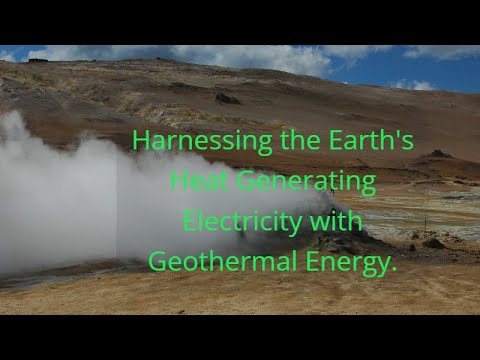
You know that feeling you get when you take a long, hot shower after a freezing day? It’s pure bliss, right? Well, what if I told you that the warmth of that water could come from deep beneath the Earth’s surface? Yep, we’re talking about geothermal energy!
Now, water is more than just a refreshing drink or your favorite beach fun. It can also help power our homes and cities. Crazy, huh? It’s like turning your bathtub into an energy source!
With climate change knocking at our door—like that one friend who doesn’t take hints—it’s high time we tap into these nifty resources. Harnessing water and geothermal energy could seriously be our ticket to a sustainable future. And who wouldn’t want to be part of saving the planet while keeping things cozy?
Buckle up! We’re diving into how these natural wonders can reshape our way of living.
Exploring the Future Applications of Geothermal Energy in Sustainable Science
Geothermal energy is like that hidden treasure beneath our feet. It’s the heat stored in the Earth, and believe it or not, it could play a huge role in our sustainable future. Let’s dig into how it works and its potential applications!
You see, geothermal energy comes from the Earth’s core. It’s super hot down there—think molten rock and minerals! This heat can be used to generate electricity or provide direct heating for homes and businesses.
One of the coolest things about geothermal energy is its **low environmental impact**. Unlike fossil fuels, harnessing this underground heat doesn’t release harmful greenhouse gases into the atmosphere. So, it’s pretty much a win-win for our planet!
Now, let’s break down some future applications:
- Power Generation: Geothermal power plants can convert steam from hot water reservoirs into electricity. Countries like Iceland have been using this tech for decades. Imagine cities powered by clean energy sourced right from below!
- Direct Heating Systems: You can use geothermal energy directly for heating buildings or greenhouses. In winter, for example, heated water can circulate through pipes to keep things warm without needing gas or oil.
- District Heating: This idea is about supplying heat to multiple buildings from a central geothermal source. Think of it as sharing the warmth! It’s common in areas with lots of available geothermal resources.
- Enhanced Geothermal Systems (EGS): This involves engineering heat extraction from dry or less permeable rock formations by creating artificial reservoirs through hydraulic fracturing. It has the potential to expand geothermal energy access where it’s not currently feasible.
But it’s not all smooth sailing! There are challenges too. For one, some regions just don’t have accessible geothermal resources close by. Plus, drilling deep wells can get pricey and technically tricky.
Here’s a little story: A friend of mine visited New Zealand and was blown away by their use of geothermal energy at places like Rotorua. The hot springs were not only stunning but also practical! They used that natural heat for bathing, electricity generation, and even cooking in some places! Just shows how creatively we can tap into Earth’s resources.
Going forward, investing in research and technology will be key to unlocking more of these **sustainable applications**. It’s all about innovating ways to harness what we already have under our feet.
So really think about it: harnessing water along with geothermal energy could take us a long way towards sustainability, providing renewable sources while taking care of our fragile planet!
In summary, while we’ve made significant strides in realizing geothermal energy’s potential now—imagine what could come next? If countries work together with engineers and scientists to expand these systems responsibly, we might just pave the way for cleaner cities powered by this natural resource! How cool would that be?
Exploring Geothermal Energy: The Country Heating 90% of Its Homes with Sustainable Solutions
Geothermal energy is seriously one of the coolest renewable energy sources out there. Basically, it’s all about tapping into the heat from the Earth’s interior. You know, that heat that’s been chilling down there for millions of years? Well, it turns out we can use it to warm our homes.
In some countries, like Iceland, they’ve really nailed this whole geothermal thing. I mean, can you imagine heating up 90% of your homes sustainably? That’s what they do! In fact, Iceland gets about 87% of its total energy from renewable sources—most of which comes from geothermal and hydropower. Pretty impressive, right?
Here’s the deal with how all this works: Engineers drill deep into the Earth to access hot water or steam trapped in rocks. Then they convert that heat into energy we can use in our daily lives. The process is pretty straightforward but involves some nifty technology.
Now, if you think about it, using geothermal energy has so many perks:
- Low emissions: Unlike fossil fuels, geothermal doesn’t release a ton of carbon dioxide.
- Reliable source: It doesn’t depend on the weather, so you know when you turn on your heater in January it’ll actually work!
- Energy independence: Countries can rely less on imported fuels and focus on their own resources.
- Cost-effective: Once you set things up—like drilling wells—the cost to maintain is relatively low.
But hold on a second! It’s not just sunshine and rainbows; there are challenges too. Sometimes locals worry about the risks of earthquakes when drilling deep into the earth or how it might affect groundwater supplies.
The thing is, there’s a growing interest around the world in developing geothermal systems. Like Kenya is doing pretty awesome in this department too! They have one of Africa’s largest geothermal plants at Olkaria—you’ve gotta see those steaming hot springs!
And let’s not forget about how combining warming solutions, like heat pumps with geothermal systems can really step up the game for both efficiency and comfort at home.
So what does this mean for our future? Well, innovation is key. The more we invest in exploring sustainable solutions like these—and listen to communities when implementing them—the closer we get to a greener planet. It’s all connected!
To wrap this up: Geothermal energy isn’t just a “nice-to-have.” It’s crucial if we want to move toward a sustainable future where homes are heated without wrecking our environment. And as countries like Iceland show us—it can seriously be done!
“Exploring the Major Challenges of Geothermal Energy: Key Issues in Sustainable Science”
Geothermal energy is one of those cool, underappreciated renewable sources we often overlook. So, let’s get into the nitty-gritty of it—like, what are the major challenges when it comes to tapping into this earth-powered energy?
First off, **location is everything**. Not every place can benefit from geothermal energy. The best spots are often in areas with active tectonic activity, like near volcanoes or hot springs. But that’s not everywhere! This means some regions might miss out entirely on what could be a fantastic energy source.
Then there’s the issue of **drilling and exploration costs**. Getting down to where the hot stuff is can be super expensive and technically tricky. The deeper you drill, the hotter it gets—but also more costly. That’s not an easy decision for investors or companies! It’s kind of like trying to find buried treasure but needing to pay a hefty price just to start digging.
Another challenge is **environmental concerns**. Geothermal plants can mess with local ecosystems if they’re not designed carefully. Sometimes they involve injecting water into the earth and extracting steam or hot water—which sounds like a neat science project but can lead to things like induced seismicity (yeah, that’s a fancy way of saying mini earthquakes).
And don’t forget about **water use**! Geothermal energy needs water—lots of it—to operate effectively. In areas where water scarcity is already an issue, this can create tension between different needs: drinking water vs energy production? Tough call!
Also, we must consider **public perception**. Some communities might be skeptical about geothermal projects due to past issues or general distrust towards new technology. It’s always a balancing act convincing them that harnessing heat from within our planet is safe and beneficial.
Finally, there is always the question of **regulations and policies** that can slow down progress too! Depending on where you’re located, laws around drilling and environmental protection can be strict—making it harder for companies to roll out new geothermal projects quickly.
So yeah, while geothermal energy has great potential for contributing to a sustainable future, tackling these challenges head-on is key if you want it done right!
Water and geothermal energy, huh? It’s pretty cool how these two natural resources can help us create a more sustainable future. I mean, when you think about it, we’ve got these massive powerhouses right in our backyard—literally.
First up, let’s chat about water. For ages, humans have tapped into rivers and lakes to generate energy. It’s like having a never-ending source of power flowing through us—water turns turbines and bam! Electricity! I remember once visiting a hydroelectric plant on a school trip. Watching the water rush through the turbines was mesmerizing! It felt like seeing nature and technology harmonize together, powering homes and schools just from this natural resource.
Then there’s geothermal energy… which is basically the Earth giving us its warmth. Beneath our feet lies this treasure trove of heat waiting to be harnessed. And it’s reliable too! Unlike solar or wind, geothermal isn’t as dependent on weather conditions. There was this time I stumbled upon a hot spring while hiking—it was steamy and warm even in the chilly air! That’s Mother Nature reminding us she has her own heaters down there!
But here’s the thing: we need to be careful with how we use these energies. Sure, harnessing them seems fantastic, but overdoing it can lead to issues like water scarcity or land degradation around geothermal plants if we’re not mindful. It’s kind of like that time I went all out at an all-you-can-eat buffet… felt great at first but regretted it later!
It really makes you think about balance. We have the tools; what we need now is wisdom in handling them sustainably. By combining water and geothermal energy smartly, we could pave the way for cleaner cities and greener lifestyles—not just for ourselves but for future generations too.
So yeah, tapping into these resources can make such a difference in our lives. And every step towards using them more wisely feels like an investment in not only our future but also in preserving what makes Earth so special: its beauty and its power intertwined with nature’s rhythm.