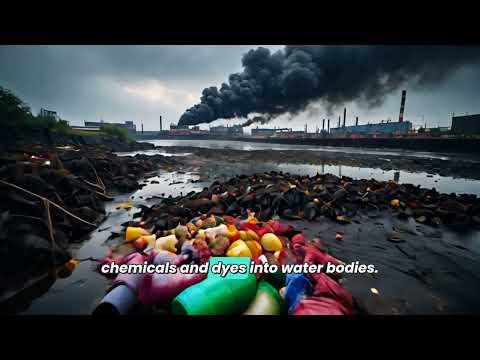
You know that feeling when you take a big gulp of water on a hot day, and it’s just perfect? Imagine if that water was full of junk. Gross, right?
Well, that’s kind of what’s happening in many places around the world. Water pollution is like that sneaky villain in a movie, creeping in where it doesn’t belong and messing things up for everyone.
It affects not just our drinking supply, but also lakes and oceans where fish swim and plants grow. It’s wild to think about how something as essential as water can be contaminated!
So let’s chat about water pollution and its ripple effects on our environment. There’s more to it than just dirty water, trust me on that!
Exploring the Impacts of Water Pollution: A Scientific Perspective on Environmental Health
Water pollution is one of those things that can sneak up on you. It’s easy to think, “Oh, it’s just some trash in the river,” but, man, the impacts can be way more serious than that. Let’s break down how water pollution affects our environment and why you should care.
First off, **water pollution refers to the contamination of water bodies** like rivers, lakes, and oceans. And this contamination often comes from chemicals, waste products, or even plastic. You know that feeling when you’re swimming in a lake and see some floating debris? Yeah, that’s not just unsightly; it also points to a bigger problem going on beneath the surface.
Now let’s talk about **what happens when water gets polluted**. Here are a few key impacts:
- Harmful effects on aquatic life: Fish and other creatures rely on clean water to survive. Pollutants can cause diseases or even lead to death among species.
- Impact on food chains: When fish eat contaminated plants or smaller fish, those toxins make their way up the food chain. That means bigger predators – including humans – are affected too!
- Human health risks: Drinking or coming into contact with polluted water can result in severe health issues like gastrointestinal diseases or skin infections.
- Ecosystem imbalance: When one species is harmed due to pollution, it can throw off the entire ecosystem. For instance, if a predator fish dies out due to toxins, then smaller fish populations might explode.
Think back to that trip you took down by the beach last summer. The sand was hot under your feet while seagulls flew overhead—great memories! But imagine if all that beauty was marred by dead fish floating nearby because of pollution. Yikes.
You see many big sources of pollution come from industries dumping waste into rivers or run-off from farms containing fertilizers and pesticides. When rain hits those fields and washes everything away into streams and lakes? It creates a mess over time.
The thing is—and this might hit home—sometimes we unknowingly contribute too! Ever tossed a plastic bottle into a river thinking it would wash away? That bottle doesn’t disappear; it breaks down into microplastics over time, which enter food chains affecting everything from tiny shrimp to humans enjoying seafood dinners.
Another layer here is climate change. It exacerbates existing water quality issues since warmer temperatures can increase algal blooms (those funky green patches you see on lakes). These blooms produce toxins harmful not just to marine life but also unsafe for drinking water!
So what do we do about all this? Well, protecting our waterways starts with awareness—just knowing what kinds of activities lead to pollution helps us make changes in our daily lives.
Don’t underestimate how small actions contribute: using fewer plastics, properly disposing of waste or volunteering for cleanup activities makes a difference!
In short: **the impact of water pollution stretches far beyond what meets the eye**—from our health risks to devastating aquatic ecosystems. Awareness leads us towards cleaner waters for future generations so they can enjoy nature as we have!
Understanding Water Pollution: A Comprehensive Analysis of Its Environmental Impact
Water pollution is a big deal, and it affects us more than you might think. Basically, it happens when harmful substances seep into our bodies of water, like rivers, lakes, and oceans. This not only messes up the water but also disrupts the whole ecosystem.
What causes water pollution? Well, there are a bunch of culprits out there. Industrial waste is a major player, dumping toxic chemicals straight into our waterways. Agriculture also plays a significant part with pesticides and fertilizers that wash away when it rains. And let’s not forget about everyday stuff like plastic waste or oil spills—they’re bad news for our precious water sources.
The effects on wildlife can be pretty devastating too. Fish and other aquatic creatures may ingest plastics or toxins that accumulate in their bodies over time. Imagine a fish eating tiny bits of plastic—gross, right? Not to mention those chemicals can affect their reproduction which leads to declines in populations.
So what about us humans? We depend on clean water for drinking and washing up. Water pollution can lead to serious health issues like gastrointestinal infections or even some chronic diseases if we’re exposed to contaminated sources for too long. It’s kinda scary when you think about how much we rely on this vital resource.
Some consequences of polluted water include:
- Cancer risks from industrial contaminants.
- Disease outbreaks from bacteria-laden waters.
- Loss of biodiversity as species die off.
- A decline in recreational activities like fishing or swimming.
You might wonder what happens to the environment when these pollutants enter aquatic systems. Well, they alter nutrient levels and create dead zones. These dead zones are areas in oceans or lakes where oxygen levels drop drastically, making it nearly impossible for marine life to survive—yikes!
And here’s something that hits close to home: when rain washes pollutants from roads into drains and eventually your local river, it not only impacts wildlife but can come back around to affect your community too!
So yeah, tackling water pollution requires teamwork—from governments enforcing stricter regulations to you just being mindful about how you dispose of waste at home. It’s a collective effort; every little bit counts! The fancy term “water stewardship” really comes into play here; basically means we all have a role in protecting our water resources for future generations.
Let’s keep the conversation going because understanding these issues is crucial if we want to help restore balance in our environments! You know?
Exploring the Impact of Water Pollution on Environmental Health and Human Well-Being
Water pollution is one of those things that, honestly, affects everything. I mean, when you think about it, water covers around 71% of the Earth’s surface. So when we mess with it, we’re messing with a lot more than just a few fish in a river. Let’s break this down a bit.
First off, there are different types of water pollution to consider. You’ve got **chemical pollutants** like pesticides and heavy metals that can run off from farms or factories. Then there’s **biological contamination**, which comes from bacteria and viruses. All this stuff mixes into our lakes, rivers, and oceans, making them less safe for both humans and wildlife.
Think about how you feel when you go swimming in a clear lake versus a murky one. If the water looks gross or smells funny, you’re probably not diving in! That’s because polluted water can cause serious health issues. For example:
Now let’s talk about how it impacts the environment as a whole. Water pollution disrupts aquatic ecosystems. Fish and other creatures are often the first victims; they can get sick or die if the pollution is severe enough. This can break down food chains—seriously! If little fish die out because of toxins, then bigger fish (and even birds) might starve or get sick too.
I remember once reading about an oil spill and how it destroyed local marine life for years after the fact. Fishermen couldn’t catch anything worth selling anymore because fish populations dropped significantly. It wasn’t just bad for them financially; their entire community felt it.
And what about us humans? Pollution doesn’t just affect ecosystems; it also impacts our well-being directly:
In some communities, especially those near industry-heavy areas or where agricultural runoff is common, access to clean drinking water becomes a daily struggle. It’s wild how something as basic as H2O can turn into such a serious problem!
On top of everything else, climate change is starting to play its own hand in all this. Warmer waters can accelerate algae blooms—those nasty green patches you might have seen before—which produce toxins harmful to both people and animals alike.
So yeah, while we might think we’re only dealing with dirty rivers or polluted lakes locally, the reality is much bigger than that—it’s all interconnected! It reminds me of those childhood science projects where we learned that everything affects everything else; well, it turns out that applies here too!
In summary—water pollution isn’t just an environmental issue; it’s deeply tied into our health and well-being too! Keeping our waters clean means safeguarding not just ecosystems but also ourselves—and who wouldn’t want that?
Water pollution is one of those topics that really makes you stop and think, doesn’t it? It’s not just about dirty rivers or lakes. It’s kind of like a ripple effect, you know? Each drop of pollution doesn’t just vanish; it spreads out and affects everything in its path.
I remember when I was a kid, we’d go fishing at this little lake not too far from my house. It was so clear and beautiful. But one summer, we noticed the water turning murky and smelling terrible. The fish were gone. It totally broke my heart because we had so many good times there. That moment stuck with me; it highlighted how fragile these ecosystems are.
When we talk about water pollution, it’s like looking at an iceberg—you only see the tip, but there’s so much happening beneath the surface. Contaminants from factories, plastics that wash into our streams, even the runoff from agriculture can lead to harmful algal blooms. Ever heard of blue-green algae? Yeah, it’s not as cool as it sounds. These blooms can produce toxins that kill fish and even threaten human health too.
And then there’s the impact on wildlife. Animals rely on clean water to survive—think about birds, amphibians, and even those cute otters you may see swimming around! When their homes are polluted, their entire life cycle can be disrupted. Reproduction rates drop and food sources diminish; it’s just a chain reaction of bad stuff happening all around them.
Plus, let’s chat about us for a second. Polluted water can lead to serious health problems for us humans too—think contaminated drinking water or seafood that isn’t safe to eat anymore. It’s pretty alarming to realize how intertwined our lives are with these natural resources.
So yeah, addressing water pollution isn’t just an environmental issue; it’s a human one as well. We’ve got to think about how our actions today create consequences down the road—not just for us but for every living thing sharing this planet with us.
In short, caring for our water means caring for ourselves and future generations too. Maybe next time you’re near a body of water or even pouring a glass at home, give it some thought—you’ll be making an impact in ways you might not even expect!