You know, the other day I was walking my dog, and he made this hilarious face when he caught a whiff of something nasty in the air. Seriously, it was like he was judging me for picking that spot! But it got me thinking—what’s actually floating around out there?
Pollution is everywhere. I mean, you can’t escape it! It’s in the water we drink and the air we breathe. It’s kind of like that unwanted roommate who just won’t leave.
Ever wonder how we got ourselves into this mess? Well, environmental pollution has some pretty deep roots. And those roots don’t just affect the world around us—they hit us right where it hurts: our health, our wildlife, and even our planet’s future.
Stick with me as we explore what’s really going on behind the scenes. Let’s unpack this together!
Exploring the Root Causes of Environmental Issues: Insights from Scientific Research
So, let’s get into the nitty-gritty of environmental issues. It might feel a bit overwhelming, but understanding the root causes can really help us figure out what to do about pollution. Environmental issues stem from a mix of human activities and natural processes, and getting to the bottom of them is like solving a mystery.
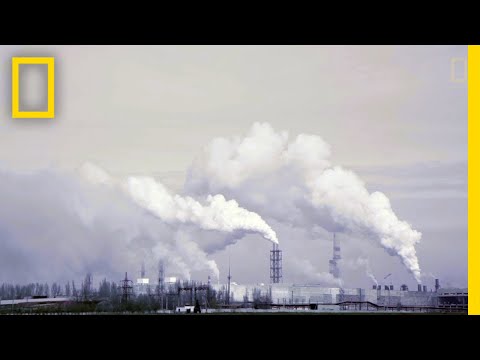
First off, one major culprit of pollution is industrial activity. Factories release all sorts of waste into our air and water. Sometimes, it’s those little things we don’t think about much—like when factories burn fossil fuels to run machines or produce energy. This process emits carbon dioxide, sulfur dioxides, and other harmful gases that contribute to things like acid rain and climate change. Yikes!
But it doesn’t stop there! Another big player is agriculture. You know when you walk by a field and smell something kinda… funky? That smell often comes from fertilizers and pesticides used by farmers to keep crops healthy. The problem? These chemicals can wash away into rivers and lakes during rainstorms, disrupting ecosystems and harming wildlife.
- Overpopulation
- Deforestation
- Plastic use
: More people means more waste. Cities are crammed with folks who generate tons of garbage every day. Landfills are overflowing, which leads to more methane emissions—a greenhouse gas that’s way more potent than CO2.
: Cutting down trees for urban development or agriculture reduces our planet’s capacity to absorb carbon dioxide. Plus, it destroys habitats for countless species.
: Have you ever noticed how much plastic packaging there is? A lot of it ends up in oceans where it harms marine life. Remember that heartbreaking image of a turtle with a straw stuck in its nose? Yeah, that’s what we’re talking about.
You might be thinking: But why do these issues matter? Well, take a moment to consider how pollution affects us directly! It can lead to health problems like asthma or cancers because we breathe in dirty air or drink contaminated water.
A good example here is air quality in cities. When air gets polluted from cars and industry, people start feeling the impact—it’s not just numbers on a report card; this affects your daily life! You might find yourself coughing or struggling for breath on smoggy days. Or think about how climate change alters weather patterns—more floods? Yep! More droughts? For sure!
The sad truth is that environmental issues aren’t going away overnight unless we seriously start addressing these root causes together as communities. Small changes matter tons; if everyone tried reducing plastic use or conserving energy at home—imagine the difference!
In sum, exploring these root causes helps point us toward solutions while raising awareness about our role in maintaining this beautiful rock we call home. You know what they say: if we don’t take care of our planet now, future generations will be left picking up the mess!
Understanding the Major Environmental Impacts of Pollution: A Scientific Perspective
Pollution is one of those things that kind of sneaks up on you, doesn’t it? Like when you’re sitting in a park, enjoying a sunny day, and then you notice the litter strewn around or hear a plane zooming by. It’s everywhere, and its impact on the environment is pretty serious.
Let’s break down what pollution really is. Basically, it’s the introduction of harmful substances into our natural surroundings. These substances can be gases, liquids, or solids. And guess what? They mess up the air we breathe, the water we drink, and even the soil we grow our food in!
Air Pollution is one of the most talked-about types. Think about all those cars on the road belching out exhaust or factories pumping smoke into the sky. The gases released—like carbon dioxide and sulfur dioxide—can lead to respiratory problems in humans and animals. You follow me? It’s not just annoying; it can cause serious health issues.
Then there’s Water Pollution. This can happen from heavy rainfall washing oil and garbage into rivers or lakes. Chemicals from farms, like pesticides and fertilizers, can also leach into waterways. This not only affects aquatic life but can also contaminate drinking water supplies. Imagine fishing in a river only to find out it’s loaded with toxins!
Now let’s talk about Soil Pollution. Ever heard of landfills? All that trash being buried can leak chemicals into the ground over time. Plus, industrial waste sometimes gets dumped illegally in places where it shouldn’t be. This taints soils and makes it hard for plants to grow—not cool for anyone who loves fresh veggies.
Of course, pollution doesn’t just hurt our health; it’s harming wildlife too! Animals exposed to polluted environments may experience reproductive issues or even extinction over time due to habitat destruction. So we see that pollution creates this ripple effect across ecosystems.
Oh! And let’s not forget about Noise Pollution. Believe it or not, excessive noise from traffic or construction sites can stress animals out and disrupt their communication methods.
So why do we persist with these actions? Well, it often comes down to convenience—you know how easy it is to toss something away instead of recycling it? Ignoring small habits adds up over time!
But there’s hope! Many communities are pushing for cleaner practices like using renewable energy sources or reducing single-use plastics to help combat these issues!! You can also contribute by making small changes in your own life—like carpooling or using reusable bags when shopping.
The major takeaway here is that pollution isn’t just an abstract problem; it’s right here around us affecting everything—our health, wildlife, and future generations! Recognizing its impacts is crucial if we want things to change for good.
Top 10 Major Causes of Environmental Problems: A Scientific Perspective
Environmental problems are all around us, and they can feel overwhelming sometimes. But understanding what’s causing these issues is a solid first step in the right direction. Let’s break down some major culprits that kick off environmental pollution and the mess that follows.
1. Industrial Waste
Factories produce a ton of goods, but they also crank out a lot of waste. This waste often contains harmful chemicals that end up in our water and air. Think about it: if a factory dumps its waste into a river, people downstream are drinking that water! It’s just not cool.
2. Agricultural Practices
Farmers use pesticides and fertilizers to grow more food, which is great for crops but can be pretty nasty for the environment. These chemicals can run off into nearby lakes and rivers, poisoning aquatic life and even contaminating drinking water supplies. So while you’re enjoying that salad, remember there might be some hidden consequences.
3. Deforestation
When we cut down trees for wood or to clear land for agriculture, we lose tons of biodiversity and contribute to climate change. Trees are like the lungs of our planet; they soak up carbon dioxide and release oxygen. Without them, we’re kinda gasping for air—literally!
4. Urbanization
Cities grow fast, leading to more concrete jungles than green spaces. This rapid growth can create heat islands where temperatures rise significantly compared to rural areas. Plus, all those cars mean more air pollution—just think about how stuck in traffic you might get on your way home!
5. Overpopulation
More people means more resources needed: food, water, energy—you name it! This demand leads to over-extraction of natural resources which then causes land degradation and increased waste production.
6. Plastic Pollution
We love convenience! But single-use plastics are everywhere—from bags to bottles—and they don’t break down easily, often ending up in oceans where sea creatures mistake them for food. Nobody wants to see turtles struggling with plastic straws stuck in their noses!
7. Fossil Fuel Combustion
Burning coal, oil, and gas is still one of the biggest sources of greenhouse gases contributing to global warming—as if climate change wasn’t enough of a crisis already! Each time you fill up your tank or heat your home with gas, you’re adding to this toxic mix.
8. Climate Change
It’s both a cause and an effect here! Changes in temperature patterns lead to extreme weather events like hurricanes or droughts which create further environmental damage and strain ecosystems.
9. Waste Management Issues
Not all trash gets recycled or disposed of properly; dumping it irresponsibly leads to soil contamination and water pollution. Ever heard stories about mountains of garbage? Yup—they’re real!
10. Invasive Species
Sometimes when humans mess with natural habitats—like introducing foreign plants or animals—we disrupt existing ecosystems big time! These invaders can outcompete local species for resources which causes native plants and animals to decline or disappear altogether.
Each one of these issues contributes directly or indirectly to environmental pollution—and they often intertwine in complex ways that make solutions tricky! Understanding these roots is crucial if we want cleaner air, safer water, and healthier ecosystems overall—but there’s definitely hope if we work together on solutions!
You know, it’s kind of mind-blowing when you really think about how much our everyday habits can mess with the environment. Take a moment to imagine a beautiful park or a serene beach. Now picture plastic littered everywhere, smog clouding the sky above. Not such a pretty sight, huh?
The thing is, pollution doesn’t just pop up out of nowhere. There are some root causes—like industrial waste and consumer behavior—that play a huge role. Factories often discharge harmful chemicals into rivers or release thick smoke into the air, creating this toxic soup that affects not just us but all living creatures around. And then there’s us, the consumers! Our obsession with convenience leads to heaps of plastic being tossed aside without a second thought. Every single bottle you see on the ground started as someone’s simple choice.
It reminds me of an experience I had on a hiking trip last year. I was walking through this gorgeous forest when I stumbled upon an area filled with trash—plastic bags, cans, you name it. Honestly, it felt like someone had smeared dirt over nature’s masterpiece! It really hit home how our little decisions can lead to big problems.
Pollution isn’t just about dirty parks; it has serious consequences too. Health issues rise when air quality drops. And let’s not forget how wildlife suffers—animals can get sick from eating plastic or face habitat loss because we keep pushing them further from their homes.
So yeah, understanding these root causes is crucial if we want change to happen. It’s not just about cleaning up after ourselves but also about being aware of what we put into the world in the first place. A little thoughtfulness can go a long way in protecting our planet for future generations!