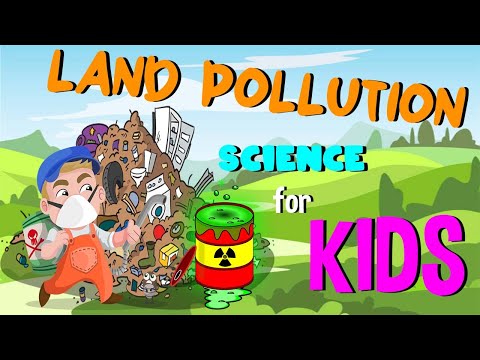
So, picture this: you’re at a picnic, right? The sun’s shining, birds are chirping, and suddenly – bam! – a plastic bag floats by like it’s auditioning for a role in a sad movie. You chuckle but then it hits you: that bag didn’t just land there. It’s part of a bigger mess we call land pollution.
Seriously, it’s kinda wild how stuff we toss aside can pile up and wreak havoc on our planet. I mean, think about all the junk we produce every day! From fast food wrappers to old electronics, it seems like trash has become our new best friend.
But here’s the kicker – most of us don’t even realize how much of an impact our daily choices have on the ground beneath us. That’s pretty eye-opening if you ask me! Let’s take a closer look at what really causes land pollution and why it matters way more than just keeping our parks clean.
Unveiling the Top 5 Causes of Pollution: Insights from Environmental Science
You know, when we talk about pollution, it’s like peeling an onion—there are so many layers to it! One major type is land pollution, and it’s a biggie. It messes with our soil, water, and even the air around us. Let’s take a closer look at what causes this pesky problem.
- Industrial Waste: Factories churn out a lot of stuff, but not all of it is good for the planet. When they dispose of waste improperly, harmful chemicals can seep into the ground. For example, think about heavy metals like lead or mercury. They’re super toxic and can stay in the soil for ages!
- Agricultural Practices: Farmers need to grow food for everyone, but sometimes they use fertilizers and pesticides that are just too harsh. These chemicals end up washing into the soil and can mess with local ecosystems. Imagine tiny bugs and plants being harmed—it’s like a snowball effect!
- Landfills: We all produce trash, right? Well, when we dump all that waste in landfills without proper management, it turns into a serious issue. Landfills release nasty things like methane gas as organic materials decompose. This gas isn’t just a greenhouse gas; it can contaminate nearby soil and water sources too.
- Deforestation: Cutting down trees isn’t just sad—it creates issues for land as well! When forests are cleared, the soil loses its protective cover. Erosion kicks in, leading to loss of nutrients and habitats for wildlife. Plus, more land becomes available for pollution to spread.
- Urbanization: As cities grow and expand, they often swallow up green spaces and natural areas. More concrete means less absorption of rainwater; that can lead to runoff filled with pollutants from roads or buildings ending up in local soils.
The thing is, each of these factors doesn’t act alone—they tend to work together in sneaky ways that amplify pollution levels on our planet.
I remember visiting a park once where everything was beautiful until I stumbled upon this area littered with trash—and then there was this overwhelming smell wafting from an unkempt area nearby. It hit me how interconnected everything is; that little corner was part of something bigger affecting wildlife and even us humans! So yeah, understanding what causes land pollution helps us figure out how to tackle it better.
Exploring the Top 5 Causes of Soil Pollution: Insights from Environmental Science
Soil pollution is a pretty serious issue. It impacts everything from your food to the water we drink. Let’s explore the top five causes of soil pollution, shall we?
Pesticides and Herbicides
Farmers often use chemicals to protect crops from pests and weeds. While these can be effective for increasing yields, they also lead to soil pollution when they seep into the ground. Over time, these chemicals can build up in the soil, disrupting local ecosystems. It’s like pouring salt on a wound; it just makes things worse.
Industrial Waste
Many factories produce waste that isn’t disposed of properly. This can include heavy metals and toxic substances that leach into the ground. For example, imagine living near a manufacturing plant where waste was dumped just outside; you’d definitely want to avoid that area! Seriously, this type of pollution can linger for decades and harm both wildlife and human health.
Urban Development
As cities expand, more land gets covered with concrete and asphalt. But what happens to the natural soil underneath? It often gets disrupted or contaminated with construction debris, oil spills from vehicles, or even household waste that wasn’t properly disposed of. Think about it—every apartment complex built means some natural habitat was lost.
Landfills
While they help manage waste, landfills can also cause major soil problems if not managed well. Decomposing trash releases leachate—a toxic liquid that seeps into the earth and can contaminate groundwater. Imagine a landfill overflowing with plastic: over time, it mixes with rainwater and creates a cocktail of pollutants slowly infiltrating the surrounding soil.
Overuse of Fertilizers
Fertilizers are super helpful for farming but using them too much can lead to nutrient runoff. When it rains heavily, excess fertilizers wash away into nearby bodies of water or seep deep into the ground—this eventually harms both soil quality and aquatic life downstream. Ever notice algae blooms in lakes? That’s often due to fertilizer runoff!
In short, these five factors create a toxic environment that affects not just plants but all living beings around us. Soil is alive! So keeping it clean is crucial for our health and future generations’ well-being. The next time you think about gardening or even just walking through a park, remember how important healthy soil really is!
Understanding the Scientific Contributions to Land Pollution: Key Actions and Their Impacts
Land pollution is a big deal, and it happens when harmful substances contaminate the soil, which can mess with everything from plants to wildlife to us humans. So, let’s break it down without getting too technical. You ready?
First off, what causes land pollution? There are a few major culprits:
- Agricultural activities: Farmers often use fertilizers and pesticides that can seep into the soil. When it rains, those chemicals can wash away, contaminating other areas.
- Industrial waste: Factories produce a lot of trash—think chemicals and metals—that end up on land if not properly disposed of.
- Urban development: Cities expand at a rapid pace. While this might seem like progress, construction sites can create tons of waste that can end up polluting the land.
- Littering: Yeah, I know it sounds obvious but every piece of trash tossed aside adds up over time and contributes to pollution.
Now, let’s look at some key actions that have been taken to tackle land pollution:
- Regulations and laws<!–: Governments in many countries have put rules in place about how much waste industries can dump on land. These laws aim to protect our environment and health.
- Waste management systems: Better trash collection systems help keep waste contained instead of letting it seep into the ground. Think about recycling programs or composting initiatives!
- Public awareness campaigns: Educating people about the impact of littering or chemical usage is super important. The more we know, you know? The better choices we make!
- Sustainable practices in agriculture: Some farmers are shifting towards organic farming methods that reduce reliance on harmful pesticides and fertilizers.
The impacts of these actions? They’re pretty significant! For instance:
- Biodiversity improvement: When we clean up polluted areas or limit harmful chemicals, local wildlife has a chance to thrive again.
- Better soil health: Reducing pollutants helps maintain soil fertility which is essential for growing healthy crops; healthier crops mean better food for us!
- Community well-being: Cleaner lands lead to happier communities! People love living in environments that aren’t tainted by garbage or toxins.
I remember the first time I saw a community project cleaning up a local park. It was packed with volunteers picking up garbage while kids played nearby. That feeling of togetherness as people worked for a cleaner area was something special—kind of inspiring! It made me realize how much good we could do when we come together.
The bottom line is this: land pollution isn’t just an environmental issue; it’s a human issue too. The actions we take today shape what our world looks like tomorrow. If we want clean soil and healthy ecosystems, everyone needs to pitch in!
So, land pollution, huh? It’s that pesky issue we sometimes hear about but don’t always think twice about. You know, it seems like such a big concept until you realize it’s all around us in ways we might not expect.
Let’s break it down a bit. Basically, land pollution happens when harmful substances accumulate in the soil. They can come from a bunch of places—industrial activities, agricultural practices, and even our own daily lives—like the trash we throw away or the chemicals we use in our gardens.
I remember this one summer when I was helping my grandma clean up her yard. We found all these old paint cans and rusty batteries buried under some bushes. At that moment, I realized how long harmful materials can linger in the soil. The cans were left there for years, leaching toxins right into the earth! It hits you hard when you think about how those things affect not just plants but also animals and people who come into contact with that land.
One major culprit of land pollution is agriculture. Farmers often use fertilizers and pesticides to get better crops but what happens is that these chemicals can build up in the soil over time. If they don’t break down properly, they can cause damage to the local ecosystem, hurting everything from beneficial insects to groundwater quality.
Then there are landfills—the massive mountains of trash we create as a society. When waste decomposes anaerobically (you know, without oxygen), it produces methane gas which contributes to climate change. Plus, leachate—the toxic liquid that seeps from waste—can contaminate nearby soil and water systems if not managed correctly. Imagine a whole community dealing with potential health issues because of what gets thrown away carelessly!
And don’t even get me started on plastic! We’re constantly hearing how it’s everywhere and for good reason; it takes forever to decompose. You see plastic bags floating around on your neighborhood street or stuck in tree branches—it’s like a visual reminder of our choices as consumers.
But here’s something hopeful: awareness is growing! More people are starting to recognize these issues and push for change. Little by little, communities are cleaning up parks or organizing recycling drives—small actions that make a big difference over time.
So yeah, while land pollution might seem overwhelming at times with so many factors involved—it’s totally manageable if we work together! The science behind it is important but what really counts is how we respond to these challenges moving forward. Every step counts—and that’s pretty empowering if you ask me!