You know that feeling when you’re chilling at the beach, sun shining, waves crashing, and then—bam!—you spot some trash bobbing in the water? Total buzzkill, right? That’s ocean pollution for you, and it’s a pretty big deal.
Picture this: tiny plastic bits floating around like confetti at a party. But it’s not the good kind of festivity; it messes with marine life and even ends up on our dinner plates. Seriously!
So, what’s causing all this mess? Well, it’s not just one thing—it’s like a chaotic mix of human actions, from littering to industrial waste sneaking its way into our oceans. And trust me, the effects are as wild as they are alarming.
Let’s take a little journey together into this aquatic chaos and see how we got here and why it matters more than you might think! Sound good?
Exploring the Causes and Effects of Ocean Pollution: A Scientific Perspective
So, let’s talk about ocean pollution. You know, it might sound a bit boring at first, but trust me, it’s way more interesting than it seems. We’re talking about one of the biggest problems our planet is facing right now. It affects not just the oceans but also everything that lives in and around them—like you and me!
Ocean pollution mainly comes from human activities. Think about all that trash you see on the beach or in rivers; it usually ends up in the ocean. Two major types of ocean pollution are plastic waste and chemical runoff. Let’s break it down:
- Plastic Waste: This is probably what you think about when someone mentions ocean pollution. Every year, millions of tons of plastic end up in the sea! That’s like dumping a garbage truck full of plastic into the water every minute! Crazy, right?
- Chemical Runoff: Chemicals from farms and factories can wash into rivers and eventually reach the ocean. These chemicals include fertilizers, pesticides, and other nasty stuff that isn’t good for marine life.
You know what hits home? A few summers back, I went diving with friends and spotted a turtle tangled in plastic. It was heart-wrenching to see this graceful creature struggling just because people couldn’t be bothered to throw away their trash properly.
The effects of this pollution aren’t just sad; they’re pretty serious too! For starters, many marine animals mistake plastic for food. Imagine trying to eat something that doesn’t even give you nutrients—that’s what happens to fish! They consume these plastics, which then makes its way up the food chain until it reaches us. Gross!
Chemicals, on the other hand? They can lead to crazy issues like algal blooms.
These blooms create dead zones where nothing can survive because they suck all the oxygen out of the water. Picture a once-bustling underwater city suddenly turned into a ghost town!
The health impacts extend to humans too! You know those delicious seafood dinners? If fish are contaminated with toxins from polluted waters, eating them could pose serious health risks for us. Yikes!
But here’s where things get both scary and hopeful: awareness is rising! People are starting to care more about reducing waste and protecting our oceans. Initiatives like beach clean-ups or using eco-friendly products can make a difference.
This isn’t just an “ocean problem.” The health of our oceans reflects how well we take care of our planet overall—so let’s step up our game together! Whether it’s using less plastic or participating in local clean-up events, every little effort counts.
In summary, tackling ocean pollution is no small feat but understanding its causes and effects is definitely a step in the right direction. Let’s make sure that future generations get to enjoy clean oceans as much as we do now!
Exploring the Impact of Ocean Pollution: Scientific Insights and Facts
Ocean pollution is a big deal, and it’s like we’re all living in the middle of a really messy party. You know? There’s trash everywhere and it doesn’t seem to be getting cleaned up anytime soon. So, what exactly causes this problem, and what are its effects? Let’s break it down.
First off, plastic pollution is one of the biggest offenders. Ever seen a plastic bottle floating in the ocean? That’s just the tip of the iceberg. Every year, millions of tons of plastic end up in our oceans. This stuff takes hundreds of years to break down, which means it just hangs around for ages.
Another major player is chemical runoff. When rain washes fertilizers or pesticides from farms into rivers and streams, those chemicals eventually make their way to the ocean. This leads to harmful algal blooms that can produce toxins affecting wildlife and even people who eat contaminated fish.
- Oil spills: These are dramatic and catastrophic events that can devastate marine life instantly.
- Heavy metals: Things like mercury and lead find their way into the water through industrial discharges, harming sea creatures over time.
- Sewage disposal: Sometimes untreated waste gets dumped into oceans or rivers; this adds pathogens that harm both marine ecosystems and human health.
I remember once going to the beach as a kid with my family. We were excited to jump in the water, but when we got there, we could hardly ignore the garbage washed ashore—you could see bits of plastic stuck in the sand! It was heartbreaking to think about how many creatures might get tangled or confused by those items.
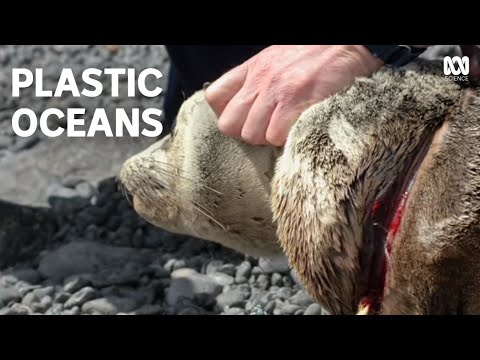
The effects on marine life are pretty tragic too. Animals can mistake plastic for food; sea turtles often eat plastic bags thinking they’re jellyfish. And birds? They’ll feed their chicks bits of plastic because they think it’s actual food! This leads to malnutrition or death for these animals.
You might not realize it, but ocean pollution even impacts us humans—a lot. Contaminated fish make their way onto our plates, which isn’t just gross; it poses health risks due to toxic build-up in our bodies over time!
The socioeconomic impact is another serious angle. Fishermen lose their livelihoods when fishing grounds become polluted or fish populations dwindle due to toxicity levels rising. Coastal communities that rely on tourism suffer when beaches look like trash heaps—can you imagine taking a vacation at a dirty beach?
Ultimately, ocean pollution is not something we can just shrug off—it’s hurting our planet and ourselves too! We need to take action now: reducing plastic use, being more mindful about what goes down our drains, and supporting policies aimed at protecting our waterways could make big differences!
So there you have it—the scoop on ocean pollution’s causes and effects—kind of grim but super important stuff. If we’re gonna save our oceans (and ourselves), we all need to step up and do our part!
Exploring the Primary Causes of Pollution in Sea and Ocean Water: A Scientific Perspective
Pollution in our seas and oceans is a big deal, and it affects both marine life and us, too. It’s not just some far-off problem; it’s right here, impacting our beaches and food sources. You know how when you see trash on the beach, it just feels wrong? Well, that feeling is legit because what we’re doing to our waters can be pretty intense. Let’s break down the primary causes of this pollution.
First off, there’s **plastic pollution**. It’s everywhere! Plastics like bottles, bags, and straws end up in the ocean after being washed down drains or tossed carelessly on the ground. Can you imagine the sea turtles mistaking a plastic bag for a jellyfish? Yeah, it happens all the time. These plastics don’t just sit there; they break down into microplastics that are now found in almost all sea creatures. Pretty shocking, huh?
Then we have **chemical runoff** from agriculture. When farmers use fertilizers and pesticides to boost their crops, storms can wash those chemicals straight into rivers and streams that flow into the ocean. Once there, these chemicals can cause algal blooms—these are like super-duper soup parties for algae! They grow so much that they suck up all the oxygen in the water and create dead zones where nothing can survive.
Another culprit is **oil spills**, which you might’ve seen on TV or read about in the news. These spills can happen during drilling or transportation of oil—like when tankers crash or leak while filling up—dumping tons of oil into our precious waters. This stuff coats whatever it touches and is just devastating for marine wildlife.
Heavy metals also make an appearance on this list. Things like mercury from industrial processes end up in oceans. Fish absorb these metals over time—and guess what? When we eat these fish, we’re taking those toxins into our bodies! It’s like a game of tag but not fun at all.
Let’s not forget about **sewage discharge** either. In some areas, untreated sewage is dumped directly into oceans—a real bummer for marine ecosystems! This waste can lead to disease outbreaks in marine life and even pose health risks to people swimming nearby.
And oh boy—the **climate change factor** can’t be ignored here either! Warmer oceans affect currents and ecosystems dramatically; coral reefs are especially hit hard by changing temperatures and acidification caused by excess CO2 emissions.
So yeah, pollution is complex but totally real—not something we can just shrug off! Each of these causes connects in ways that make it even trickier to fix but understanding them helps as we work towards solutions together.
In summary:
- Plastic Pollution: Bottles and bags harming wildlife.
- Chemical Runoff: Fertilizers causing harmful algal blooms.
- Oil Spills: Devastating effects from accidents during transport.
- Heavy Metals: Toxins entering fish populations.
- Sewage Discharge: Untreated waste affecting water quality.
- Climate Change: Warmer waters disrupting ecosystems.
Getting a grip on this issue needs awareness from everyone—because at the end of the day, clean oceans are vital not just for marine creatures but for us too!
You know, ocean pollution is such a big deal nowadays. Just think about it. Every time you hit the beach or watch a documentary about marine life, there’s this underlying problem that hangs in the air, like that annoying seagull stealing your fries. Pollution is everywhere and it’s really messing with not just our oceans but all life on Earth.
So, let’s break it down a bit. When we talk about ocean pollution, we’re looking at a bunch of different culprits—plastic waste being the most notorious one. I remember this one trip I took to the coast with my friends. We were all excited to catch some sun and enjoy the waves, but honestly, what struck me was how much trash was just lying around. It felt kind of heartbreaking, you know? Bottles, wrappers—just floating in the water or washing up on the shore. It made me realize that our habits have direct consequences on these beautiful ecosystems.
But here’s where it gets even trickier: not only does pollution come from what we can see (like trash), but also from less visible forces like chemicals running off farmland or industrial waste dumped into rivers. And here’s a thought—what do you think happens when those nasty chemicals mix with ocean water? They can cause algal blooms that choke out oxygen and lead to dead zones where marine life can’t survive! Imagine landing a big catch only to find there’s nothing left to reel in; it’s kind of scary.
And then there’s the impact on us humans too! Ever had seafood? Well, if fish get contaminated, they’re basically passing those toxins right back to us when we chow down. It’s wild how our actions ripple through the food chain.
Let’s not forget about climate change either—it plays its part by warming up ocean waters and disrupting habitats. Remember those coral reefs? Yeah, they’re bleaching out because of temperature changes and losing their vibrancy as well as their ability to support diverse marine life.
Honestly, feeling helpless about these issues is pretty common. But knowing more can be empowering! Even small choices—like reducing plastic use or supporting sustainable seafood—can add up over time. You might feel like one little drop in an ocean of problems (pun intended!), but together we can create waves of change.
Next time you visit the beach or even just sip on your iced tea at home while watching nature shows, think about how we’re all connected to these incredible ecosystems. Let’s protect them for future generations so those pristine waters remain vibrant and full of life rather than just memories of what once was!