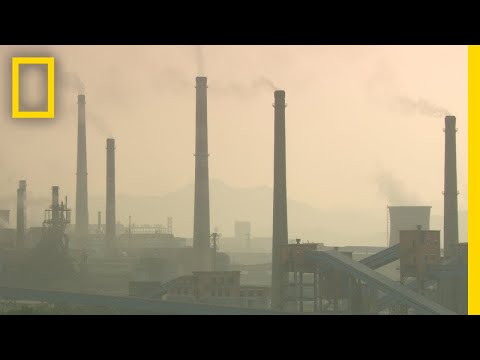
So, picture this: You wake up one morning, and the sky looks like someone spilled a giant smoothie all over it. You go outside, and it feels like you’re walking through a thick fog, but not the cool kind that makes your town look mysterious. Nope, this is photochemical smog— when sunlight plays nasty tricks with pollutants in the air.
You might be thinking, “What’s the big deal?” But seriously, this stuff isn’t just a funky filter on your Instagram pics. It can mess with your health and even ruin your day!
I remember this one time in school when we had a surprise field trip planned. Everyone was buzzing with excitement until we stepped outside and were hit by that hazy blanket of smog. Talk about a buzzkill! We ended up stuck inside all day because breathing that stuff isn’t exactly safe.
Let’s break down what causes this strange phenomenon, how it affects us, and maybe even chat about some ways to tackle it together. Sound good?
Exploring the Causes and Effects of Photochemical Smog: Implications for Environmental Science
Okay, so photochemical smog. It sounds like something out of a sci-fi movie, right? But it’s actually a pretty serious environmental issue. Let’s break it down together.
What is Photochemical Smog?
It’s that hazy, brownish-yellow stuff you sometimes see hanging over cities, especially on hot, sunny days. This type of smog is mainly formed when sunlight reacts with pollutants like nitrogen oxides and volatile organic compounds (VOCs). These pollutants come from cars, factories, and even some household products. Pretty wild how our everyday activities contribute to this soup of chemicals!
Causes of Photochemical Smog
There are a few key players in the formation of photochemical smog:
- Sunlight: You need bright sunshine for this reaction to happen. It’s like Mother Nature’s way of mixing things up.
- Vehicle Emissions: Cars and trucks are major sources of nitrogen oxides and VOCs. When we drive around without thinking about the environmental impact, that haze gets thicker.
- Industrial Activities: Factories release a bunch of chemicals into the atmosphere too. It’s like they’re throwing ingredients into an air stew!
So, what happens when all these ingredients mix? You get photochemical smog.
Effects on Health
Now here comes the heavy stuff: the effects on our health can be pretty serious. Breathing in photochemical smog can lead to:
- Respiratory Issues: If you’ve ever heard someone coughing during high pollution days, that’s no coincidence.
- Asthma Attacks: People with asthma might find it harder to breathe when this smog rolls in.
- Irritation: Eyes and throat irritation are common too! Imagine trying to enjoy a sunny day while your eyes feel all scratchy.
Ecosystem Impacts
The environment isn’t safe either. Plants can suffer from photochemical smog because it damages their leaves and reduces photosynthesis—like giving them a sunburn! This can mess with food webs as certain plants struggle to survive.
Solutions and What We Can Do
Don’t worry; there are ways we can help reduce photochemical smog!
- Sustainable Transportation: Walking, biking, or using public transport cuts down on vehicle emissions big time.
- Tighter Regulations: Supporting laws that limit industrial emissions helps keep those pollutants outta the air.
- A greener lifestyle:. Choosing eco-friendly products helps lower VOCs from our homes.
So yeah, while it may seem daunting at times—like trying to clear up that hazy skyline—it’s not impossible! By understanding what causes photochemical smog and its impacts on health and ecosystems, we can make informed choices that lead us toward cleaner air for everyone.
Effective Solutions to Mitigate Photochemical Smog: An In-Depth Scientific Analysis
Sure, let’s chat about photochemical smog and how we can tackle it. First off, photochemical smog is that gross brownish haze you sometimes see hanging over cities, especially on sunny days. It’s a mix of air pollutants formed when sunlight reacts with chemicals in the atmosphere. You know the feeling when you take a deep breath and it feels a bit… yuck? That’s often due to this kind of smog.
So, what causes this mess? Well, it usually involves **volatile organic compounds (VOCs)** and nitrogen oxides (NOx) that come from vehicles, industrial emissions, and even some household products. When the sun shines on these pollutants, they cook up ground-level ozone. And that’s what makes your lungs feel like they’ve just run a marathon without you!
Now let’s get to the nuts and bolts of the solutions – how do we fight back against these pesky smog days? Here are some effective strategies:
- Promoting Public Transport: If more folks hopped on buses or trains instead of driving cars everywhere, we’d see a huge drop in emissions. It’s like hitting two birds with one stone: less traffic and cleaner air!
- Implementing Clean Fuel Standards: Switching to cleaner fuels for vehicles can make a significant difference. Think about electric cars or those using hydrogen fuel cells – they emit way fewer nasty gases.
- Encouraging Use of Renewable Energy: Wind, solar, and hydroelectric power don’t just help your conscience; they also reduce reliance on fossil fuels that contribute to smog forming.
- Urban Planning: Design cities in a way that promotes walking and biking! More green spaces can also help absorb pollutants while giving us places to chill out.
- Airing Out Regulations: Governments can enforce stricter regulations on industrial emissions. Factories need limits on how much pollution they can spit out into our skies.
- Increasing Public Awareness: Educating people about air quality is crucial. When folks know what’s up with their air, they’re more likely to support clean air initiatives.
Also, remember that little actions add up! Even something as simple as not idling your car at red lights helps reduce emissions.
Now here’s a personal story: I once visited a city known for its stunning skyline but was shocked to see it completely obscured by smog one day. It was disheartening. Seeing how bad the pollution got made me realize just how urgent these solutions are—not just for pretty views but for our health too.
Fighting photochemical smog isn’t just about making things look nicer outside; it’s about improving our quality of life overall. Imagine breathing easy during those sunny days instead of worrying if you’ll need an inhaler after your jog! Plus, continuous efforts from individuals and communities can lead us toward cleaner air for future generations.
With things like technology advancements and smarter policies in play now more than ever, there’s hope in sight! So let’s get to work so we can enjoy blue skies without worrying about what might be lurking in the air we breathe!
Effective Scientific Solutions to Combat Smog and Improve Air Quality
So, smog, huh? It’s one of those words that makes you think of those hazy days in big cities. You know, that thick, gray stuff hanging around like an annoying relative? But what is it really? Well, let’s break it down and talk about how we can tackle this nasty air problem.
First up, let’s chat about **photochemical smog**. This type happens when sunlight reacts with pollutants like nitrogen oxides and volatile organic compounds (VOCs). You got car exhaust, industrial emissions, and even some household products all kicking in to create this messy mix. The sun turns these chemicals into stuff like ozone at ground level—which is actually not so great for us!
Now, the effects can be pretty rough. Breathing this air can irritate your lungs and make asthma worse. Seriously! And it can even mess with your daily vibe—like when you feel sluggish or get headaches. When cities become shrouded in smog, it feels gloomy and depressing.
Now here’s the kicker: we can do something about this! To combat smog effectively, we need to attack the sources of pollution at their roots. Here are some key solutions:
- Promote Public Transport: Encouraging people to use buses or trains instead of cars really helps cut down on vehicle emissions.
- Switch to Electric Vehicles: The more electric cars we have on the roads, the less pollution from gasoline-powered engines.
- Regulate Industrial Emissions: Industries need strict rules about how much they can pollute; better filters and cleaner technologies are a must!
- Use Green Energy Sources: Transitioning to wind, solar, or hydro power will significantly reduce pollutants.
- Enhance Urban Planning: Designing cities to have more green spaces can help trap some of that pollution—plus parks are nice!
You know like that day back in college when my friends went hiking? We had one of those perfect clear sky days after some rain cleared away the smog. We could see mountains in the distance! That’s what we want—to be able to enjoy clean air again.
Another interesting point is public awareness campaigns; educating folks about reducing personal emissions goes a long way! Simple things like using energy-efficient appliances or avoiding gas-powered mowers can make a difference in our own backyards.
And hey, technology’s coming through too! Innovations such as air purifiers for homes and buildings are great but remember—they’re not a full solution if outside air stays polluted.
At the end of the day, tackling smog requires a multi-faceted approach. It means community efforts along with government action and individual responsibility. If everyone pitches in just a little bit—whether by changing travel habits or supporting cleaner energy—we can turn things around!
So next time you step outside on a lovely sunny day (hopefully without all that gray), think about how those little changes can lead to clearer skies everywhere. Wouldn’t that be something?
Have you ever stepped outside on a hot, sunny day and noticed that hazy, brownish-yellow layer hanging in the air? That’s photochemical smog! It can really put a damper on what could otherwise be a lovely day, right? Let’s break down what it is and why it matters.
So, what causes this smog? Well, it mostly happens when sunlight interacts with pollutants in the atmosphere. These pollutants often come from car exhaust, industrial emissions, and even natural sources like wildfires. When the sun shines on these pollutants—voilà!—you get ground-level ozone. Ozone up high in the stratosphere is great; it protects us from those pesky UV rays. But down here where we breathe? Not so much.
I remember one summer back in college when my friends and I planned a beach trip. We drove out excitedly, only to find the shore veiled by an ugly smog that made everything seem gray and sad. We ended up just sitting in our car munching chips instead of swimming. It was disappointing for sure, but also eye-opening to see how pollution could ruin such a perfect day.
Now, let’s talk about the effects of this nasty stuff. Photochemical smog can lead to health problems like respiratory issues or even worse conditions if you’re exposed too long. Kids playing outside or people with asthma really feel its impact. And it doesn’t stop there; it also messes with plants and ecosystems, making some crops weaker or less productive.
But hey, there’s hope! What can we do about this? One solution lies in reducing emissions from cars and factories—like using cleaner fuels or promoting electric vehicles. Even something as simple as carpooling or biking can make a difference! Planting more trees also helps because they can absorb some of those harmful pollutants while giving us clean oxygen to breathe.
It may seem daunting at times when you think about how big of an issue pollution is becoming globally—but every little bit counts. If we all chip in together—like ditching single-use plastics or being mindful of energy consumption—we might actually see some change happening over time.
So next time you notice that haze creeping into your view on a sunny day, remember: it’s not just an eyesore; it’s something we can tackle together! Every action matters because a better world starts with us making small choices each day.