You know that moment when you’re digging into a tub of ice cream, and you think, “Man, my body really doesn’t need this right now”? Well, turns out our bodies might have a little more room for indulgence than we think.
I mean, who knew that the fat you can’t stand could actually be somewhat of a hero? Seriously! Adipose tissue—the fancy term for body fat—holds this goldmine called stem cells. Yup, those little guys can do some pretty amazing things!
So, let’s talk about what’s happening in the world of adipose-derived stem cell research. It’s like the science equivalent of finding out your favorite snack is actually good for you—kind of mind-blowing, right? I promise it’s more exciting than it sounds!
Future Prospects of Adipose Stem Cells in Regenerative Medicine: Innovations and Applications
Adipose stem cells, or ASCs as you might see them referred to, are pretty incredible. They come from fat tissue, which is, let’s face it, something we all have in some amount. Imagine this: you can take a small sample of fat—like from a little liposuction procedure—and that tiny amount can hold a treasure trove of stem cells inside. How cool is that?
Stem Cells and Their Magic
So, what’s the deal with these stem cells? Well, they’re kind of like the Swiss Army knives of cells. ASCs have the ability to turn into various types of tissues—like bone, cartilage, and muscle. This makes them super valuable for regenerative medicine—essentially repairing or replacing damaged tissues in the body.
Innovations in Extraction
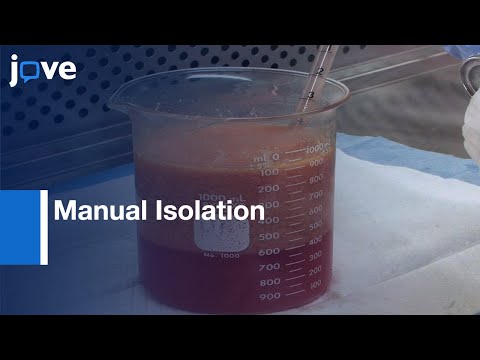
The way scientists extract these stem cells has seen some serious upgrades over the years. Traditionally, it was a somewhat invasive process that came with risks and discomfort. But now? Cutting-edge technologies are streamlining this whole extraction process. The goal is to make it safer and easier so patients can benefit from them without all the fuss.
Tissue Regeneration
One exciting prospect for ASCs lies in tissue regeneration. For instance, they could be used to help patients recovering from severe injuries or surgeries where tissue repair is critical. Picture someone getting a knee rebuild after an accident; using ASCs might encourage faster healing by regenerating cartilage or even muscle tissue!
Aesthetic Applications
And here’s something even more relatable: ASCs can also be used in cosmetic procedures! Instead of just removing excess fat, doctors are finding ways to use those same cells to rejuvenate skin or improve scarring through regenerative techniques. It’s like giving your body a little tune-up.
The Challenge of Scalability
However, there are still some bumps along the road! One major challenge remains in scaling up these treatments for widespread use. Scientists need to make sure that they can successfully harvest enough ASCs while maintaining their properties and efficacy over time.
The Regulatory Landscape
The regulatory aspect is another hurdle. There aren’t yet standardized protocols for using adipose-derived stem cells across different medical fields. This means docs and researchers need consistent guidelines on how to utilize these magic little cells effectively.
Future Research Directions
Looking at future research directions with adipose-derived stem cells opens up so many possibilities! Scientists are exploring their potential not just for treating injuries but also for conditions like diabetes and heart disease. Can you imagine? Using your own body’s resources to battle chronic illnesses like those!
In summary, adipose stem cell research is on an exciting track—it merges innovation with practicality in ways we wouldn’t have imagined just a few years ago! The potentials seem almost limitless as technology advances further and understanding deepens across various medical fields. So keep an eye out; who knows what amazing breakthroughs lie ahead!
Advancements in Autologous Adipose-Derived Stem Cells: Implications for Regenerative Medicine and Tissue Engineering
So, let’s chat about autologous adipose-derived stem cells. Sounds fancy, right? Well, these are basically stem cells that you get from your own fat tissue. They’re part of a growing trend in regenerative medicine and tissue engineering. And honestly, they have some pretty exciting implications!
First off, what does “autologous” mean? It’s just a fancy term meaning the cells come from the same person. That means there’s less risk of rejection when we use these cells in treatments. You know how sometimes your body fights off foreign stuff like an invader? Well, since you’re using YOUR own cells, that’s not usually a problem.
Now let’s break down why adipose-derived stem cells (ADSCs) are such a hot topic:
- Easy to harvest: Fat tissue is everywhere! With some simple liposuction procedures, you can get a good amount of it without major surgery. In fact, it’s way less invasive than getting bone marrow or other sources.
- Diverse potential: These little guys can turn into different types of cells—muscle, cartilage, and even nerve cells. This means researchers see them as great candidates for healing damaged tissues in various parts of the body.
- Facilitating healing: When used in therapies, ADSCs can help speed up recovery from injuries or surgeries. They release growth factors that aid in tissue repair and reduce inflammation—talk about teamwork!
- The beauty connection: Interestingly enough, beyond medicine, these stem cells find their way into cosmetic procedures too! They’re being studied for use in things like wrinkle treatments and breast reconstruction.
- Personalized medicine: Since these stem cells come from you personally and not someone else, they keep your body’s unique characteristics intact—less chance of complications or mismatches.
A while back I heard this story about a woman who had severe joint problems due to arthritis. She tried everything—painkillers and physical therapy—but nothing worked long term. Then she learned about using her own fat to extract those ADSCs and inject them into her knees! And guess what? Her pain reduced significantly over time! It was like using her body’s own natural healing power effectively.
Still, there are challenges to tackle here too. Researchers need to figure out the best ways to put these stem cells to work! Like how do we make sure they grow well in labs? And how do we ensure they act exactly as we want when put back into people?
The field is evolving rapidly though. Every year brings new studies that help us understand more about ADSCs’ abilities and how we might apply them better in clinics everywhere! So keep an eye on it because advancements here could change lives for many folks down the line!
Exploring the Future of Medicine: Advancements in Fat-Derived Stem Cell Therapy
Exploring the future of medicine is super exciting, especially when we talk about advancements in **fat-derived stem cell therapy**. Now, before you roll your eyes at the mention of fat, let me tell you something interesting: our body fat is turning out to be a treasure chest of potential for healing. Seriously!
What Are Fat-Derived Stem Cells?
So, let’s break it down. Fat-derived stem cells, or **adipose-derived stem cells (ADSCs)**, come from our body fat. These little guys are a type of mesenchymal stem cell, meaning they can transform into different types of cells like bone, cartilage, and even muscle. Isn’t that neat? They’re like those versatile actors in a movie who can play all sorts of roles!
Why Are They Important?
One major reason researchers are buzzing about ADSCs is their easy availability. Think about it—when you get liposuction or just have some extra padding that needs to go, that fat can actually help heal other parts of your body! This makes collecting these cells way less invasive compared to other methods.
How Do They Help?
Here’s where it gets really cool! Stem cells can promote healing and regeneration in damaged tissues. For example:
- Tissue Repair: If you’ve hurt your joints or have arthritis, injecting ADSCs into the area could help regenerate damaged tissues.
- Heart Health: Researchers are looking at how these cells might aid in repairing heart tissue after a heart attack.
- Nerve Regeneration: There’s ongoing research on using ADSCs to help develop new nerve pathways in conditions like spinal cord injuries.
Just thinking about the possibilities makes me excited! Imagine being able to recover from injuries faster or even reversing damage caused by chronic diseases.
Anecdote Time!
I remember chatting with a friend who had a knee injury from playing soccer. He was so frustrated because traditional treatments weren’t working well for him. He mentioned reading about stem cell therapies using fat-derived cells and felt hopeful—like he found a glimmer of light at the end of a tunnel. It’s stories like his that really show how far we’ve come with this kind of research.
The Challenges Ahead
Now, while it sounds super promising, there are still challenges we gotta tackle. One biggie? Understanding how to control these cells once they’re injected into the body, so they do their job properly without causing any unwanted side effects.
Also, researchers need more large-scale clinical trials to determine safety and effectiveness for various therapeutic uses. It’s one thing to hear success stories; it’s another to solidify those findings through rigorous studies.
The Future Looks Bright
With ongoing research into ADSCs and their applications across different fields—like orthopedics and cardiology—the future seems bright! This area has the potential not just for treating injuries but also for advancing regenerative medicine as a whole.
So next time you think about fat as something to shed, remember: it might just be hiding some amazing healing power beneath the surface! How awesome is that? The journey toward integrating fat-derived stem cells into mainstream medicine continues—a fascinating adventure for science and humanity alike!
So, let’s talk about adipose-derived stem cells, or ADSCs for short. These little guys are like gold mines lurking in the fat tissues of our bodies, and their potential is pretty amazing. I mean, who knew that those spare tire areas we tend to cringe at could be so valuable?
You know, a few years back, a friend of mine went through a tough time with her knees. She did all the standard stuff—physical therapy and whatever pain meds she could get her hands on. It was rough seeing her struggle to keep up with her kids. Then she heard about stem cell therapy using fat cells and decided to give it a shot. Honestly? It’s been life-changing for her! She can run again and even play tag without pulling a muscle! Just seeing her out there made me realize how much hope these cells hold.
The thing is, these stem cells are super versatile. They can turn into different types of cells—like bone, cartilage, or even fat (which is kind of ironic!). Researchers have been diving deep into how we can harness this power for conditions like osteoarthritis or even heart disease. The beauty of it is that these ADSCs are relatively easy to harvest compared to other sources like bone marrow. I mean, getting fat sounds way less invasive than digging around in someone’s bones, right?
Another point worth mentioning is how they’re being looked at for cosmetic applications too—think facelifts and skin rejuvenation without all that downtime. Some clinics are already using ADSCs in procedures that promise fresher-looking skin and faster recovery times. You can see why people are buzzing about this research!
But here’s the kicker: while there’s so much excitement about their potential uses, not everything is settled yet. We’re still figuring out how exactly these cells work and what their long-term impact might be. Yeah, research is happening fast; however, making sure we get it right matters tons before jumping into widespread treatments.
In short, advancements in adipose-derived stem cell research feel like peeking into a promising future where medicine could change lives for the better—like my friend’s story reminded me! It’s wild to think that something as simple as our own body fat might just hold the key to improved health for many people out there. So let’s keep our eyes peeled on what comes next in this fascinating journey!