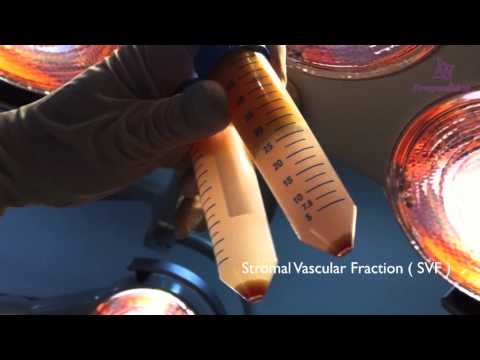
You know what? It’s kind of wild to think that the stuff we toss out when we shed a few pounds could actually be gold for science. Seriously! That stubborn fat, or adipose tissue, isn’t just, like, sitting around doing nothing. It’s packed with these super cool cells called adipose stem cells.
Imagine this: scientists are digging into our fat stores as if they were treasure chests filled with potential. These little guys can help heal injuries, regenerate tissues, and maybe even turn back the clock on aging. How crazy is that?
So let’s take a moment and chat about why adipose stem cells are getting all this buzz in regenerative medicine. We’re talking about concepts that sound like they belong in a sci-fi movie! But nope, this is real life, and it’s happening now. Ready to explore the wonders lurking in our own bodies?
Exploring the Role of Adipose-Derived Stem Cells in Regenerative Medicine: Current Applications and Future Prospects
So, let’s talk about adipose-derived stem cells, or ADSCs for short. Basically, these little guys are stem cells that come from fat tissue. Yeah, you heard that right! We often think of fat as just something we want to lose, but it actually holds some pretty cool secrets when it comes to healing and regeneration.
ADSCs are super intriguing in the world of regenerative medicine. They have the ability to turn into various types of cells—like muscle, bone, or cartilage. Imagine all the possibilities! It’s like having a Swiss Army knife for healing.
Now, let me hit you with some current applications of these stem cells:
- Tissue Engineering: Researchers are using ADSCs to create new tissues. For example, if someone injures their knee and needs cartilage repair, scientists can use these stem cells to grow new cartilage in a lab setting!
- Wound Healing: Have you seen how slow some wounds take to heal? Well, there have been studies showing that ADSCs can boost healing by reducing inflammation and promoting tissue regeneration.
- Cardiovascular Repair: Heart problems are a big deal. Some scientists believe ADSCs can help repair damaged heart tissue post-heart attack by regenerating the injured area.
The thing is, extracting these stem cells is relatively simple compared to other sources like bone marrow. You just need some fat from liposuction procedures—how wild is that? Plus, there’s usually an abundance of fat available in most people (no offense!).
Now let’s get into future prospects because this part is where it gets really exciting!
- Cancer Treatment: Researchers are looking at how ADSCs might help with targeted drug delivery for tumors. These stem cells could potentially be engineered to carry medication directly to cancerous cells without harming surrounding tissues.
- Aging Research: As we age, our body doesn’t heal as well. Scientists are curious about using ADSCs to rejuvenate aging tissues. Picture getting your youthful glow back by harnessing your own fatty tissues!
- Personalized Medicine: With advancements in genetic engineering and cell therapy, we might see treatments tailored specifically for individuals based on their unique cellular makeup using their own ADSCs.
A few years ago I read a story about a woman who had suffered from a terrible car accident and was struggling with severe injuries that wouldn’t heal properly. After treatment involving her own adipose-derived stem cells, she started seeing improvements she never thought possible! It’s moments like those—seeing science change people’s lives—that make this field so compelling.
The potential applications for adipose-derived stem cells in regenerative medicine seem endless! While there are always challenges ahead—like ensuring safety and effectiveness through rigorous testing—the hope is very much alive.
The future of regenerative medicine looks brighter thanks to these remarkable little heroes hiding out in our fat tissue! So next time you think about “fat,” remember there’s more going on beneath the surface than meets the eye!
Exploring the FDA Approval Status of Adipose Stem Cell Therapy in Regenerative Medicine
So, let’s chat about adipose stem cell therapy and how it fits into the world of regenerative medicine. You might be asking, what even are adipose stem cells? Well, these little gems are basically fat cells that have a unique ability to turn into different types of cells. Think of them as chameleons in your body.
Now, regenerative medicine is all about repairing or replacing damaged tissues or organs. That can be anything from healing wounds to fixing heart issues. Adipose stem cells come into play here because they can help generate new tissue and potentially improve healing.
But here’s where it gets a bit tricky. The FDA approval status of adipose stem cell therapies is something worth diving into. As of now, the FDA has been cautious about approving these therapies for general clinical use. Why? Well, it’s mainly due to safety and efficacy concerns. The goal is to ensure these treatments really work and don’t cause harm.
Here are some key points to keep in mind regarding the FDA’s take on this:
It can feel a bit frustrating when you see so much potential but find that not all treatments are ready for prime time yet. I remember reading about someone who underwent an experimental treatment involving adipose stem cells for a knee injury; while there were promising results in early studies, the fact remains that more rigorous testing is needed before it’s available everywhere.
Another thing to note is that safety regulations are super important in this context. If you think about it, we wouldn’t want just anyone getting random injections without knowing how those cells will behave in their bodies over time.
So where does this leave us? Adipose stem cell therapy shows incredible promise in regenerative medicine but needs more solid evidence and approval from governing agencies like the FDA before becoming routine practice.
In short, while scientists and docs continue exploring the possibilities with these amazing little cells, we need to ensure there’s a solid foundation of research backing up their use! Things are moving forward slowly but surely, I guess that’s just how science rolls sometimes!
So, let’s talk about adipose stem cells. Yeah, those are basically the cells you find in fat tissue. Crazy, right? When I first heard about them, I was like, “Wait, you can turn fat into something useful?” It sounds almost too good to be true! But here’s the thing: these little guys could potentially change the game in regenerative medicine.
You see, adipose stem cells are super versatile. They can morph into different types of cells – like bone, cartilage, or even muscle. Imagine being able to repair damaged tissues or organs just by using your own body fat. It’s kind of like having a built-in repair kit! I mean, who wouldn’t want that?
I remember reading about a study where researchers took these stem cells from patients and used them to regenerate damaged heart tissue after a heart attack. Just thinking about someone getting a second chance at life because of fat is both mind-blowing and inspiring.
But there’s more to it than just extracting some cells and hoping for the best. There are challenges to tackle too. Scientists need to figure out how to efficiently culture these cells and ensure they do what they’re supposed to do once they’re inside the body. It’s not just plug-and-play; it involves lots of trials and learning.
And while this whole field is still evolving—like seriously changing by the day—it gives us hope for diseases that currently have no cure. Conditions like Parkinson’s or Alzheimer’s might one day be treated using strategies involving adipose stem cells. How cool would that be?
But hey, it’s not all rainbows and butterflies! Ethical concerns pop up as well when we talk about stem cell research in general. How do we balance potential benefits with moral dilemmas? It gets complicated fast.
In essence, harnessing adipose stem cells feels like scratching the surface of something monumental in medicine. The idea that fat could hold the key to healing makes me think twice every time I look in the mirror! And honestly? Whether you’ve got a bit of extra weight or not—this research is paving the way towards treatments that could benefit all of us someday! So let’s keep our eyes on this exciting frontier—it might just lead us somewhere amazing!