So, picture this: you’re at a party, and someone spills a drink all over the floor. Chaos ensues, right? People slipping, laughter, and maybe a little frustration. But there’s that one person who swoops in with a mop and cleans it all up like a superhero.
Well, stem cells are kind of like that mop for our bodies! They have this incredible ability to repair and regenerate damaged tissues. Sounds like sci-fi stuff? Totally! But it’s real, and it’s reshaping how we think about healing.
Imagine if we could use these miraculous cells to fix anything from bad knees to heart issues—like having a spare tire for your body! And honestly, who wouldn’t want some of that magic?
Let’s dive into why stem cells are becoming the go-to squad in regenerative medicine!
Exploring the Promise of Stem Cells in Regenerative Medicine: Unlocking Future Healing Potential
Stem cells are kind of like the superheroes of the cell world. They have that amazing ability to become a variety of different cell types, which makes them super important in medical research. So, let’s chat about how stem cells are shaping up to be the next big thing in regenerative medicine!
First off, what even are these stem cells? Well, they’re unique cells that can either divide and produce new cells or turn into specialized cells that your body needs—like muscle, nerve, or even blood cells. Think about it like having a blank canvas that can be painted into whatever you want!
Now, there are two main types of stem cells: embryonic stem cells and adult stem cells. Embryonic stem cells come from early embryos (that’s like the baby stage), and they can develop into almost any cell type in the body. Pretty cool, right? On the other hand, adult stem cells are found in various tissues (like bone marrow) and mostly help repair that specific tissue. They’re more like a versatile tool in your toolbox—great for fixing certain things but not as flexible as embryonic ones.
You might be asking: why all this buzz around regenerative medicine? Well, it’s all about healing! Imagine being able to regenerate damaged organs or tissues. Stem cell therapy holds promise for treating a bunch of conditions—from heart disease to spinal cord injuries and even diabetes. It’s like having a magic potion to help your body heal itself!
For instance, if someone suffers from a heart attack, damaged heart tissues could potentially be replaced with healthy ones derived from stem cells. It’s still early days for some therapies, but researchers are optimistic about creating new treatment options using these amazing little guys.
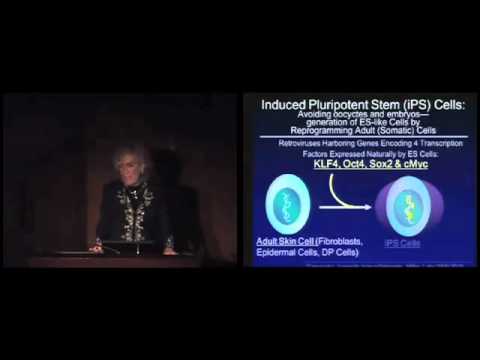
One exciting area is using induced pluripotent stem cells (iPSCs), which are adult cells reprogrammed back into an embryonic-like state. This means we can take regular skin or blood samples and turn them into versatile stem cells again—no embryos needed! This opens up tons of avenues for research and treatment without ethical concerns tied to embryonic sources.
But it’s not all rainbows and butterflies yet. There are challenges too! For one thing, ensuring that these transformed cells integrate well without causing issues is crucial. There’s also the risk of forming tumors if they don’t behave properly after being introduced back into the body—which definitely isn’t what we want!
And let’s not forget about regulation; making sure treatments are safe and effective is necessary before they hit clinics. Researchers work hard to balance promising discoveries with rigorous testing because people deserve treatments that won’t cause more harm than good.
In short, while we’re still figuring things out with this whole *stem cell* business in regenerative medicine—the potential is mind-blowing! If you think about it long enough, it feels kind of hopeful to imagine a future where damaged hearts can heal themselves or where spinal injuries could be repaired at a cellular level. The journey’s still ongoing but with each small step forward—the miracle workers known as stem cells could unlock incredible healing potential for so many people out there!
Exploring the Most Promising Branch of Regenerative Medicine: Innovations and Insights in Biomedical Science
Well, let’s chat about something really cool: stem cells and their role in regenerative medicine. You know, this field is like a treasure chest of potential. It’s all about helping our bodies heal themselves, which is pretty amazing if you think about it.
First off, what are stem cells? So, imagine them as the ultimate building blocks of life. These cells have this superpower—they can turn into almost any type of cell in your body! Seriously, that means they can become heart cells, brain cells, or even skin cells. It’s like having a Swiss Army knife in cellular form.
In regenerative medicine, the idea is to use these stem cells to replace damaged or diseased tissues and organs. For instance, if someone has heart disease, scientists are looking at ways to use stem cells to repair or regenerate heart tissue. Picture someone getting their heart patched up with their own cells—sounds hopeful, right?
Now, let’s break down some promising areas where stem cell research is making waves:
- Hematopoietic Stem Cells: These are found in your bone marrow and can produce all types of blood cells. They’re already being used for conditions like leukemia and other blood disorders through bone marrow transplants.
- Mesenchymal Stem Cells: These guys are found in various tissues like fat and bone. They’re super versatile! Researchers are exploring using them for everything from joint repair to even treating autoimmune diseases.
- Induced Pluripotent Stem Cells (iPSCs): This is where it gets really interesting! Scientists have figured out how to take regular skin or blood cells and tweak them so they act like embryonic stem cells. The potential here is huge for personalized medicine—imagine growing a patient-specific organ!
- Nerve Regeneration: Another exciting development involves using stem cells to repair spinal cord injuries or neurodegenerative diseases like Parkinson’s. Can you believe it? There’s real hope here for restoring movement and function.
You might be thinking: “Okay, but what’s the catch?” Well, it turns out there are challenges ahead. Like any promise that sounds too good to be true, there are ethical considerations and technical hurdles we need to navigate—like ensuring these therapies don’t go rogue and turn into tumors instead of healing tissues.
And let me share a little story that captures the excitement around this field: A couple of years ago, I read about a young girl who received a treatment involving her own stem cells after suffering a severe burn accident. With the help of researchers working on innovative techniques using those magical stem cells from her body fat, she was able to regenerate skin tissue that not only healed but left minimal scarring! How incredible is that?
So yeah—the world of regenerative medicine powered by stem cell research feels like living in a sci-fi dream sometimes. The innovative insights coming from biomedical science remind us that healing might not just be a thing we hope for; it could soon be a reality thanks to dedicated scientists pushing boundaries every day.
In short: Stem cells hold immense promise for healing damaged tissues and organs across various medical fields—from heart disease treatments to regenerating nerve function—and while there are challenges ahead, the future looks hopeful!
Comprehensive Analysis of Stem Cell Research: Download the Latest PDF Insights
Alright, let’s chat about stem cell research and why it’s generating so much buzz, especially in the realm of regenerative medicine. This area of science is like a treasure trove full of potential, and you’re gonna want to know what’s inside.
First off, **stem cells** are unique because they have the amazing ability to turn into any type of cell in your body. Think of them as the ultimate multitaskers in the cellular world. They can become skin cells, heart cells, or even brain cells—pretty cool, huh? Well, this versatility makes them super important for repairing damaged tissues.
In regenerative medicine, scientists are looking at how these little guys can help heal injuries or even diseases like Parkinson’s or diabetes. Imagine if you could regenerate nerve cells after a spinal cord injury! Yeah, this is what they’re working on.
Here are some key points on how stem cells could change medicine:
- Repairing Tissues: Stem cells can potentially replace damaged tissues. If you think about it, that opens the door to treating conditions that currently have no cure.
- Cell Replacement Therapies: For diseases like type 1 diabetes, where your body stops producing insulin, researchers aim to use stem cells to generate new insulin-producing cells.
- Understanding Diseases: Using stem cells in the lab can help scientists mimic diseases more accurately. This understanding can lead to better treatments down the road.
- Drug Testing: Before putting drugs into humans, researchers can test their effects on stem-cell-derived tissues. This way they can see what works and what doesn’t without risking anyone’s health.
You might be wondering about some ethical concerns surrounding this research. It’s true—there’s a lot of discussion about how stem cells are obtained. Embryonic stem cells raise eyebrows because they come from embryos; however, there are also adult and induced pluripotent stem cells that don’t involve these issues.
A personal story comes to mind: I once met a woman whose son was affected by a genetic condition requiring ongoing treatments that weren’t really cutting it anymore. She told me about her hopes pinned on when scientists would crack the code of using stem cells effectively for his condition. You could just feel her determination! It’s stories like these that really highlight why this research matters.
It’s also worth mentioning that while there’s excitement surrounding potential applications of stem cell therapy, we haven’t fully tapped into all their powers yet; it’s still early days in terms of understanding how best to utilize them safely and effectively across various medical fields.
So as you see all this progress happening around stem cell research—and believe me when I say it’s happening fast—remember that it’s not just about science for science’s sake; it’s about healing lives too!
So, here’s the thing about stem cells. These little guys are like the superheroes of our cellular world. They can turn into just about any type of cell in the body, which makes them super interesting for medicine, especially when you think about repairing or replacing damaged tissues. I mean, isn’t it wild to think that a single cell could potentially become a heart cell or a nerve cell?
Let me share a quick story. A friend of mine recently had a bad motorcycle accident. He messed up his leg pretty badly and went through a few surgeries that didn’t exactly make him feel whole again. When we chatted about it, he mentioned hearing about stem cells and how they could help repair injuries like his. You could see the hope in his eyes! That’s what’s cool about this field; people are really banking on science to bring them back to life—figuratively speaking, of course.
Regenerative medicine is all about giving back what we’ve lost—whether it’s muscle, bone, or even organs. Stem cells give researchers some serious firepower to do just that! The idea that we could jump-start healing processes or grow new tissues just sounds like something out of a sci-fi movie, you know? It’s not just talk either; there are actual clinical trials happening!
But there’s some complexity involved too. Not all stem cells are created equal. You’ve got embryonic stem cells and adult stem cells, each with their own pros and cons. Embryonic ones come from embryos and can basically morph into anything—crazy potential! On the flip side, adult stem cells are more limited but often come with fewer ethical concerns.
Still, there’s so much promise here. Researchers are testing therapies for things like spinal cord injuries and heart disease using stem cells to regenerate damaged areas. It feels like we’re standing on the edge of something big—like maybe one day we won’t have to fear diseases that currently seem unstoppable.
Of course, there’s still so much we don’t know yet—like how these treatments might work long-term and if they can be applied universally without any hiccups. But hey, science is all about trial and error anyway!
As I think about my friend’s journey towards recovery and all those possibilities out there thanks to stem cells, I can’t help but feel excited for what lies ahead. There’s a heartbeat in this research; it’s almost tangible! Just imagine growing new organs or healing spinal injuries completely—it feels less like a dream every day as scientists push forward with this field. So yeah, let’s keep an eye on those little life-changers—they might just transform the medical world as we know it!