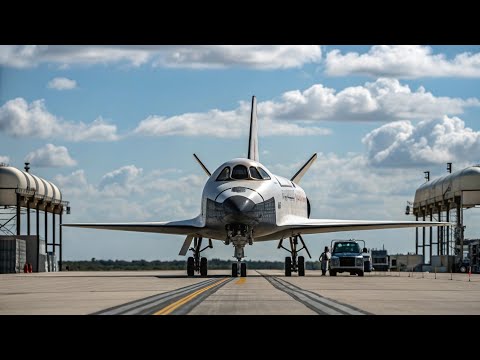
You ever see a rocket launch on TV? It’s like fireworks on steroids! Seriously, watching that thing blast off is just something else.
But here’s the thing—rockets aren’t just big metal tubes. No way! They’re like super fancy nails in a cosmic game of whack-a-mole. You think they’re just going up, but there’s so much more going on behind the scenes.
So, let’s talk about aerodynamic rocket design. Sounds dry, right? But it’s all about making these giants slice through the air like butter! You know how you can make a paper airplane fly farther by tweaking its wings? That’s basically the same idea—just way more high-tech and with less chance of getting caught in your mom’s hairdryer!
Innovation in this area has come a long way, from wobbly early designs to sleek marvels ready to take us to Mars and beyond. So buckle up as we explore what makes today’s rockets so awesome!
Exploring the Most Aerodynamic Shapes for Rocket Design in Aerodynamics and Engineering
Aerodynamics is all about how air moves around things. When we talk about rockets, well, that’s a whole new ball game! You see, rockets need to pierce through the atmosphere to reach space. The design of these rockets is super crucial because even tiny changes can have huge effects on performance.
One of the most aerodynamic shapes for a rocket is something like a cone. Why? Because when air hits a cone, it slips right past with less resistance. This helps reduce drag, which is basically the force that tries to slow the rocket down as it travels upwards. Imagine running into a strong wind; it’s like that but for rockets!
Also, streamlined bodies are essential. Think about a droplet of water; when it falls, it’s sleek and smooth. Rockets try to mimic this shape. A rounded nose leads into a tapering body, creating minimal turbulence and keeping energy use efficient.
Using materials that maintain both strength and lightness is another big deal in rocket design. Engineers often use things like carbon fiber or titanium because they can withstand high-pressure environments while being super light. Less weight means you need less fuel to get up there!
And here’s where innovation really comes in—active control systems. These are like fancy autopilots for rockets! They can adjust fins or other surfaces during flight to optimize aerodynamics in real-time. It’s as if the rocket learns how to fly better as it goes!
Don’t forget about computational fluid dynamics (CFD). This nifty tech uses simulations to visualize how air flows around different shapes before they even build them. It’s kind of like playing with clay but digitally—engineers can tweak designs based on these simulations before hitting the factory floor.
There are so many considerations when designing an aerodynamic rocket;
,
, and
. All these factors come together to create something capable of defying gravity! Isn’t that amazing?
Imagine watching a rocket launch; every bit of design plays its part in getting it safely into space. From taking off with power to gliding through thinner layers of the atmosphere—each aerodynamic choice really counts! So next time you see a launch, think about all those brilliant minds behind those sleek shapes making space travel possible!
Revolutionizing Space Travel: How SpaceX Innovations Have Drastically Cut Costs in Aerospace
When we talk about space travel, most people immediately think of those amazing rockets shooting off into the sky. But what if I told you there’s been a huge shift in how we get up there, thanks to some cool innovations? Well, let’s chat about SpaceX and how they’re totally changing the game.
First off, before SpaceX came along, sending stuff to space was super pricey. Think about it like this: imagine wanting to go on a trip but needing to save for years just to buy a ticket. That was kinda like how it worked in aerospace. SpaceX has stepped in with new ideas that have drastically cut costs.
One of the biggest breakthroughs? Reusable rockets. Traditional rockets were used once and then discarded. You know, like when you finish a soda can and throw it away. SpaceX flipped that script with their Falcon 9 rocket. After launching payloads into orbit, the first stage of the rocket can return to Earth and land vertically! It’s like if your soda can could magically refill itself after you drank it—pretty wild, huh?
Another aspect of their innovation is aerodynamic design. You see, rockets have to deal with loads of air resistance when they take off. The Falcon 9 is designed with sleek shapes that help slice through the atmosphere more efficiently. Imagine trying to run through water vs. running through air—you’d go faster in air! This smart design means less fuel is needed for liftoff, which leads us back to lower costs.
Now, let’s talk about materials because that’s where things get interesting too! SpaceX uses advanced composites and alloys which are lighter yet super strong compared to older materials used in rocket making. It’s kind of like swapping out your heavy winter coat for a high-tech jacket that keeps you warm without weighing you down.
But wait—there’s more! SpaceX also focuses on streamlining production processes. They’ve brought many manufacturing steps in-house rather than relying on tons of different suppliers. This not only boosts efficiency but also cuts costs since they have more control over the quality and timing of their parts.
And here’s where emotions come into play: think back to when humans first landed on the Moon or launched probes into deep space—it was all so thrilling! Well, now we’re at this incredible point where we might open up space travel for regular folks someday because companies like SpaceX are working hard to make it affordable.
So yeah, innovation in aerodynamic rocket design isn’t just about cool-looking crafts—it directly impacts our wallets too! With reusability, smart designs, cutting-edge materials, and streamlined manufacturing all playing key roles, space travel is becoming (dare I say) accessible? Just imagine one day booking a flight not just for Paris or Tokyo but for Mars! Wouldn’t that be something?
In summary:
- Reusable Rockets: Rockets are designed to land back on Earth after use.
- Aerodynamic Designs: Sleek shapes reduce air resistance during launch.
- Advanced Materials: Lighter materials mean better fuel efficiency.
- Streamlined Production: Manufacturing processes brought in-house reduce costs & improve control.
It’s exciting times ahead in aerospace—that’s for sure!
Exploring the Cosmos: Five Essential Technologies Driving Space Exploration
Exploring the cosmos is like, this incredible journey full of mysteries and adventures. And guess what? There are some really cool technologies that make space exploration possible! Let’s unpack five essential ones that are driving rockets to the stars.
1. Rocket Propulsion Systems
At the heart of every space mission is a rocket propulsion system. They work by pushing against the ground with such force that they basically launch into space. There are two big types: liquid propulsion and solid propulsion. Liquid engines burn fuel and oxidizer together to create a powerful thrust, which you can totally feel if you watch a launch! Solid rocket boosters, on the other hand, use a solid propellant that ignites and burns rapidly. Remember those fireworks? Yeah, those! It’s like having firecrackers strapped to a giant metal tube.
2. Aerodynamic Design
Now, when rockets burst through the atmosphere, they have to deal with air resistance—or drag as it’s called in science lingo. That’s where aerodynamic design comes in. The shape of the rocket is super important; it’s gotta be sleek like a fish cutting through water. Engineers spend countless hours tweaking designs in wind tunnels to minimize drag and maximize efficiency. It’s all about getting into orbit with as little energy wasted as possible.
3. Reusable Rockets
Imagine if you could reuse your car after going on a long trip instead of ditching it! That’s what companies are doing with reusable rockets now, making space travel way more affordable. SpaceX has pioneered this tech with their Falcon 9 rocket, landing back on Earth after delivering payloads to space! It’s kind of like landing an airplane but way more impressive because it involves fire and engineering magic!
4. Advanced Materials
Space exploration isn’t just about engines; it’s also about what rockets are made of! Rockets face extreme temperatures – both scorching hot during launch and freezing cold in outer space. So, engineers develop advanced materials like carbon composites that can withstand these conditions while keeping weight down. Think about how tough materials have evolved for sports equipment; it’s kinda similar!
5. Communication Technologies
Lastly, let’s not forget communication technologies; they connect us with astronauts up there exploring Mars or studying asteroids up close! High-frequency antennas maintain contact across vast distances—like sending messages through invisible strings connecting us to our explorers in outer space. This tech ensures we always get updates from our adventurous friends millions of miles away!
So yeah, exploring the cosmos is all about innovation and smart engineering choices that push boundaries—literally! These technologies not only help us explore but also spark curiosity and excitement for generations to come! It seems wild when you realize how far we’ve come from just looking at stars at night, doesn’t it?
You know, the world of space travel is like this vast universe of possibilities. Just think about it: humans have actually stepped foot on the moon and sent rovers to Mars. Pretty mind-blowing, right? So, when it comes to getting us up there faster and more efficiently, aerodynamic rocket design is a game-changer.
Like, picture this for a second: a rocket blasting off from Earth. It’s got to punch through our atmosphere and deal with a ton of air resistance. That’s where aerodynamics comes into play. Basically, it’s all about shaping rockets in ways that let them slice through the air like a hot knife through butter. You follow me? Engineers are now experimenting with new materials and designs that tweak how a rocket behaves as it climbs higher.
I remember reading about some recent innovations where they’re using technologies inspired by nature—like bird wings or fish fins. Pretty cool stuff! It’s not just about making rockets go up; it’s also about how far they can reach without burning massive amounts of fuel. More efficient travel means less cost and more opportunities for future missions.
And you know what’s wild? The reusable rockets that companies like SpaceX have introduced are revolutionizing the whole thing. Instead of just throwing away parts after one use, we’re bringing them back home! This innovation reduces waste and cuts down on expenses big time. Imagine if we could explore other planets more regularly – that’s where things start getting exciting!
There’s still tons to figure out, though—like what happens once you leave Earth’s atmosphere or how to keep astronauts safe during those wild launches and landings. But every little advancement brings us closer to dreaming beyond our planet in ways we never considered before.
In the end, seeing these developments reminds me that possibilities truly are endless when it comes to human ingenuity. Space travel was once something only seen in movies; now it’s becoming part of our reality thanks to innovative designs overcoming challenges in aerodynamic rocket technology. Isn’t that thrilling?