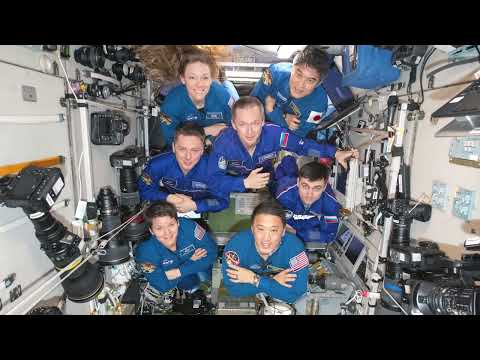
You know that feeling when you’re staring up at the night sky, and it hits you just how vast and mysterious it is? Well, picture this: there’s a team of people in white coats, working their butts off to unravel some of those cosmic secrets. Yup, that’s NASA for ya.
I remember the first time I watched a rocket launch on TV. I was glued to the screen! The roar of engines, the countdown… It felt like magic. And honestly, who wouldn’t be stoked about sending humans into space?
NASA isn’t just about flashy rockets though. They’re on a mission to push boundaries, making discoveries that might change how we live on Earth. From digging into Mars’ past to peeking at black holes—these guys are all over it!
So let’s take a little journey through space travel and see how NASA is advancing science while doing what they do best—exploring the great unknown!
Exploring the Cosmic Frontier: The Impact of Space Travel on Scientific Advancements and Discoveries
So, whenever you think about space travel, it’s easy to get caught up in the glitz of launching rockets and astronauts floating in zero gravity. But what’s really cool is how space exploration plays a massive role in pushing science forward. I mean, if you think about it, every mission into space not only teaches us about the universe but also gives us insights that impact life here on Earth.
Just take a trip back to the 1960s when NASA was racing against the clock to land on the moon. The technology they developed during that time didn’t just help them reach lunar soil; it brought us things like advanced materials and safety practices we use today. Seriously! Everything from smoke detectors to improved firefighting gear has roots traced back to findings from space missions.
When astronauts go up there and live in microgravity, scientists study how their bodies react. This leads to discoveries about human health. For instance, did you know that muscle loss and bone density decrease are major issues for astronauts? Researchers are looking at ways to combat these effects which could also help with aging here on Earth. Pretty interesting, right?
Another big area where space travel has made waves is technology development. It’s nuts how many everyday items we owe to research done for space missions. Think about GPS technology. We rely on it so much for driving around or finding a spot to grab food! The global positioning system was refined through satellite technology developed by NASA and others.
And let’s not forget about environmental monitoring! Satellites in orbit provide data that helps scientists track climate change, deforestation, and natural disasters like hurricanes or wildfires. They give us real-time images of what’s happening on our planet from above – talk about a new perspective!
All those experiments conducted on the International Space Station (ISS) are also paving paths for future innovations. For example, researchers are studying growth of plants in space which could revolutionize how we grow food under harsh conditions here on Earth or even during long journeys to other planets.
In short, each launch into the cosmos is like opening a door not just to explore distant worlds but also bringing back knowledge that can improve our lives here at home. So next time you hear about another mission or rocket launch, remember: it’s not just about peering into outer space; it’s a leap forward for science and humanity as a whole. Isn’t that just mind-blowing?
Unlocking Scientific Frontiers: The Essential Role of Space Exploration in Advancing Knowledge and Innovation
Space exploration is like that adventurous road trip you take with your friends, where each stop introduces you to new experiences and surprises. It expands our horizons, pushes boundaries, and most importantly, leads to discoveries that enhance our understanding of the universe and ourselves. So let’s chat about how diving into space helps us unlock scientific frontiers.
Nasa has played a massive part in this, right? The agency isn’t just about sending astronauts up there; it’s also about advancing knowledge every single day. Imagine for just a moment the first moon landing in 1969. When Neil Armstrong took his iconic step onto the lunar surface, we didn’t just get some amazing photos; we also gained tons of scientific insights about our own planet, the moon, and the solar system.
One of the key roles of space exploration is the development of technology. You know all those gizmos and gadgets you use daily—like GPS or satellite communications? Well, those were either invented or significantly improved thanks to space missions. It’s wild how tools made for exploring other worlds end up changing life on Earth!
And then there’s science. Space provides a unique environment for experiments that we can’t replicate down here. For instance, can you think of a better setting to study fluid dynamics than microgravity? This has helped scientists create better materials and even improve various medical techniques! The International Space Station (ISS) is like an orbiting lab full of brilliant minds making discoveries that benefit everyone.
Environmental monitoring is another huge area where space exploration shines. Satellites help us track climate change by observing weather patterns over time. They let us see how our planet is changing from above—data that’s critical for informed decision-making related to conservation efforts and disaster management.
Now, let’s not forget innovation. Every time there’s a challenge in space missions—like dealing with radiation or extreme temperatures—it sparks new ideas back home in various industries. This culture of problem-solving spills over into everyday life, leading to breakthroughs in energy efficiency or robotics.
Finally, there’s this emotional connection people have with space exploration. Remember when Voyager was launched? That little probe carrying “The Golden Record” was humanity saying hello to the universe! It connects us all as explorers—you feel me?
In summary:
- Technology Advances: Innovations from space missions improve everyday life.
- Scientific Discovery: Unique experiments lead to breakthroughs impossible on Earth.
- Environmental Monitoring: Satellites provide crucial data for understanding climate change.
- Cultural Impact: Space missions inspire and connect humanity across generations.
So yeah, unlocking scientific frontiers through space exploration isn’t just about rockets and astronauts; it’s about expanding human knowledge and sparking innovation that touches our lives every day!
Exploring NASA’s Vision for the Future of Space Travel: Innovations and Ambitious Missions Ahead
So, let’s talk about NASA and the future of space travel, right? It’s a topic that gets a lot of sci-fi fans buzzing and even makes those of us who aren’t super into space a bit curious. Seriously, how cool is it to think about what’s up there?
NASA’s vision for the future is pretty ambitious, to say the least. They’re not just thinking about sending astronauts to the Moon or Mars; they have their eyes set on some seriously exciting missions that could change our understanding of the universe. Innovations are at the heart of their approach. From new rocket technology to advanced spacecraft designs, NASA is working hard to make space travel safer and more efficient.
One of their major undertakings is the Artemis program. It aims to return humans to the Moon by 2024! Can you imagine standing on the lunar surface again? The plan is to land “the first woman and the next man” there. They want this mission not only to explore but also to establish a sustainable presence on the Moon. Why? Well, simply because it’s an incredible stepping stone for future missions further into space, like all the way to Mars!
They’re also looking at international collaboration. Working with space agencies from other countries can bring together different resources and ideas. Just think about how cool it would be for astronauts from various nations working side by side in orbit! This shared effort can make missions more powerful and diverse.
Now let’s dive into some specifics about upcoming innovations:
- SLS (Space Launch System): This heavy-lift rocket will be crucial for deep-space exploration. It’s designed to carry astronauts beyond low Earth orbit.
- Orion spacecraft: This beauty will take astronauts deeper into space than ever before. It’s built for future explorations of Mars!
- Lunar Gateway: A mini-space station that will orbit around the Moon. It’ll serve as a hub for lunar exploration, kind of like a pit stop before heading off further.
- Robotic missions: Before sending humans anywhere, NASA plans robotic missions that can scout out places and gather data—like digging up Martian soil samples!
And hey, NASA is also diving into some serious tech innovations like using 3D printing in space! That’ll allow astronauts to create tools or parts they might need right where they are instead of bringing everything along.
But here’s something heartwarming: all this isn’t just about science or exploration; it’s about inspiring people too. When Neil Armstrong set foot on the Moon in 1969, it ignited dreams in countless kids around the world. Now imagine what today’s advancements could do! Kids might grow up thinking they could be part of a mission going farther than any human has gone before.
So anyway, as we push forward with these plans and technologies—NASA isn’t just taking us on journeys through space; they’re opening up our minds and sparking imaginations along the way. That vision not only promises thrilling new adventures but also reminds us all why exploring beyond our planet matters so much—it connects us with something bigger than ourselves!
So, let’s chat about NASA and its amazing journey through space. It’s kind of mind-blowing when you think about it. I mean, who doesn’t dream of flying to the stars or wandering around on distant planets? I remember as a kid, I had a poster of the Solar System plastered on my wall. I would just sit there for hours, staring at it and imagining what it would be like to walk on Mars or float in the weightlessness of space.
NASA’s quest isn’t just about reaching those shiny dots in the sky; it’s a way to expand our understanding of science and our own planet. Think about all those missions they’ve done! Each one has taught us something new—whether it’s figuring out how weather patterns work because of satellite data or understanding more about black holes through their relentless observations. Space travel has this ripple effect; discoveries made in space often lead to breakthroughs right here on Earth too.
And it’s not all rocket science—although, well, technically it is! But beyond the equations and calculations, there’s this human element that makes it really special. The spirit of collaboration and curiosity drives so many people at NASA and beyond. Have you ever seen those images from the Hubble Space Telescope? It’s like peering into a cosmic gallery where each photo tells a story about our universe’s birth and evolution.
Sometimes, when things don’t go as planned—like with Mars rovers facing unexpected challenges—you can feel a bit of disappointment, right? But hey, that’s part of exploration! It reminds us that failure is just another stepping stone toward learning something valuable.
What really gets me is how these adventures inspire younger generations. Kids see astronauts floating in their suits or hear about missions to distant moons, and suddenly they start dreaming big too. They begin asking questions like why the sky is blue or what we might find on Europa (that icy moon!). It’s pretty cool how a single mission can spark curiosity for whole lifetimes.
So yeah, NASA’s journey isn’t just rockets blasting off into space; it’s an epic tale woven with threads of science, humanity, failure, triumph, and inspiration. It’s an adventure that may one day help us understand not only where we come from but also where we might go next—together as one big curious family looking up at the stars.