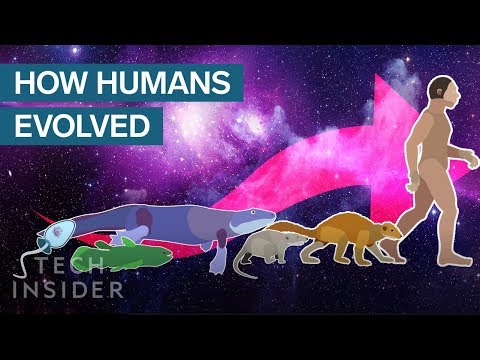
So, let me tell you a little story. Picture this: you’re sitting in a park, munching on a snack, and suddenly, a squirrel-like creature with a long tail tries to steal your sandwich! You laugh and think of how cute it is, but then it hits you—this critter has some seriously distant relatives hanging out in the jungle.
Now, isn’t that wild? Monkeys, apes, and yes—even squirrels have a common ancestor way back in time. It’s like one big family reunion that’s been going on for millions of years!
What I want to share with you is how monkeys have evolved through time and space. Seriously, their journey is like an epic movie plot—full of twists, turns, and unexpected characters. If you’re thinking “how can that be interesting?” just hang tight! You’ll see how these little primates have transformed from tree-hoppers to some pretty smart creatures we know today.
Ready to swing through the branches of evolution? Let’s go!
Exploring the Fascinating World of Primates: Insights and Advances in Primate Research
Alright, let’s chat about primates! When you think of primates, what pops into your head? Monkeys swinging from trees? Maybe a curious chimpanzee peeking at you through the bars of a zoo? Well, there’s a whole lot more to these remarkable creatures than meets the eye.
Primates are part of the order Primates, which includes everything from tiny lemurs to massive gorillas. They’re super interesting because they share some pretty close evolutionary ties with us humans. In fact, we share over 98% of our DNA with chimpanzees! Crazy, huh?
The story of primate evolution is like an epic saga that starts about 65 million years ago. Picture it: after the dinosaurs went extinct, small mammals started to flourish and evolve. Among these were our primate ancestors, which began adapting to life in trees. Their grasping hands and forward-facing eyes helped them swing around and spot food. I mean, who wouldn’t want those perks?
If you think about it, there are fascinating branches on the primate family tree:
- Lemurs: Found only in Madagascar, these quirky little guys have big eyes and a penchant for curious behavior.
- Tarsiers: With their huge eyes and ability to rotate their heads almost all the way around (yes, really!), they’re like living cartoons!
- New World monkeys: These monkeys from Central and South America have prehensile tails which act like another hand.
- Old World monkeys and apes
: This group includes baboons and us—humans! Old World monkeys have no prehensile tails but are incredibly adaptable.
It’s wild how primate research has evolved too. Scientists use both field studies and modern technology to learn about their behaviors and social structures. Imagine watching a family of chimps interact: they groom each other not just for hygiene but as a way to strengthen bonds! Research shows that social ties in many species influence everything from mating success to emotional health.
You know what’s even cooler? Advances in genetic research give us deeper insights into evolution itself. By analyzing DNA from fossils or living species, scientists can trace back lineages and discover how various traits evolved over time.
For instance, did you know that tool use isn’t exclusive to humans? Some chimpanzees use sticks to fish for termites! This kind of behavior helps researchers understand how intelligence has evolved across different species.
The fascinating world of primates not only sheds light on their lives but also on ours as well. Their reactions to environmental changes can mirror potential changes we might face too. There are ongoing discussions among researchers regarding conservation efforts since many primate species are endangered due to habitat loss or hunting.
The bottom line is: exploring primates isn’t just about monkeying around; it’s about connecting with our own past while gaining insights into future challenges. So next time you see a monkey at the zoo or read something about them online, just remember—you’re looking at your distant relatives swinging from trees!
Exploring Human Evolution: Debunking the Myth That Humans Were Monkeys
Exploring human evolution can be a wild ride! People often hear that humans evolved from monkeys, but that’s not quite the story. Here’s the thing: humans and modern monkeys actually share a common ancestor, kind of like cousins in the family tree of life. So let’s break this down a bit, alright?
Common Ancestors: Imagine all living things are part of one big family tree. At some point, millions of years ago, there was a species—let’s say an ancient primate—that eventually split into different branches. One branch led to modern monkeys, and another led to humans. So we’re related but not directly descended from them.
Timeframe: This whole process didn’t happen overnight. It took millions of years for these branches to develop. The cool part? The last common ancestor we had with monkeys lived about 25 million years ago! That’s a long time back!
Evolutionary Changes: Over time, different environments and challenges shaped these branches. For example, early ancestors of humans began walking on two legs while others stayed in trees. This change allowed our ancestors to adapt better to life on the ground.
Not Just Monkeys: Here’s another thought: when people say “monkeys,” they usually think about both old world monkeys and new world monkeys. But remember that genetic families are vast! You’ve got gorillas, chimpanzees—our closest living relatives—and even bonobos in the mix.
Misunderstanding Evolution: Sometimes evolution gets misunderstood as a straight line, like going from A to B. But it’s more like a bush with lots of twigs branching out everywhere! That means all primates have their own unique paths.
Humans Today: So here we are today—humans have evolved over time too! Modern traits like larger brains and complex social structures came about because of various pressures faced by our ancestors.
So seriously, when people say we “evolved from monkeys,” it gets tricky because it skips over so much amazing history! Look around you; you see humans sharing traits with other primates while also being distinctly different. Understanding this can really change how you think about our place in nature.
In short, next time someone tells you that humans are just fancy monkeys, you can smile knowing there’s way more to the story than that! Evolution is all about connection and adaptation over time—not just one species turning into another directly. How wild is that?
Exploring Primate Evolution: A Fascinating Journey from Monkey to Human
Primate evolution is, like, one of those mind-blowing journeys through time that really shows how interconnected we all are. From the little monkeys swinging in the trees to us humans sitting around texting our friends, it’s a wild ride.
First off, let’s talk about what primates are. They’re a diverse group of mammals that includes **monkeys**, **apes**, and us humans, obviously. About 65 million years ago, right after the dinosaurs went extinct, the first primates popped onto the scene. Imagine tiny creatures scooting around in trees, adapting and evolving to survive.
One of the key ideas here is that primate evolution is all about **adapting** to different environments. For example:
- New World Monkeys (like capuchins) live in South America and have these cool prehensile tails that help them hang on to branches.
- Old World Monkeys (like baboons) adapted to a mix of trees and land in Africa; they don’t have those fancy tails but have special physical traits for living on the ground.
- Apes, including gorillas and orangutans, took evolution even further by losing their tails altogether. This gave them more flexibility for climbing and swinging through trees.
As these creatures migrated across continents thousands of years ago, they became isolated from each other. This is where things get interesting! Evolution turned each species into its unique form based on its environment. Like how some monkeys got bigger or smaller depending on where they lived.
Now let’s talk about our closest relatives: **the great apes**! Gorillas, chimpanzees, and bonobos all share a common ancestor with us humans—can you believe it? Genetic studies suggest that this ancestor lived around 6-7 million years ago. Imagine a time when our ancestors were chilling out with chimps—pretty cool!
When early humans started walking upright around 4 million years ago (thanks to *Australopithecus*), things shifted dramatically. Being bipedal freed up our hands for tool-making and gathering food—not to mention waving hello… or just giving someone a thumbs up!
But evolution doesn’t stop there; it’s an ongoing process that still shapes us today. You’ve got modern humans showing incredible adaptability from climbing mountains to living deep in forests or even building big cities.
So basically, primate evolution isn’t just about monkeys becoming humans; it’s this intricate tapestry woven with adaptation and survival over millions of years! And thinking back on this journey just makes you realize how fascinating life really is.
In summary:
- You’ve got **early primates** poppin’ up after dinosaurs.
- This group includes **monkeys**, **apes**, and us!
- Adaptation shaped them into unique forms based on their environments.
- We share roots with our closest relatives—the great apes!
- Bipedalism changed everything for our ancestors.
So next time you see a monkey chilling on your screen or even at the zoo, just remember: they’re part of this epic evolutionary saga we all share! Pretty mind-boggling when you think about it!
Alright, let’s take a little stroll down the timeline of our primate cousins, the monkeys. So, picture this: millions of years ago, in lush, green forests teeming with life, the very first primates were swinging around. They weren’t anything like the monkeys we know today—more like tiny creatures scurrying about in the trees. It’s wild to think that these little guys set off a whole chain reaction in evolution that would lead to the diverse group of monkeys we have now.
As time went on, these early primates branched out into different lineages. Some decided to stick around in trees, while others took the leap to explore ground life. Honestly, I can’t help but imagine what it must’ve been like for these little adventurers. The first monkey that climbed down from its cozy branch probably had no idea it was starting a new chapter in a story that spans continents and millions of years!
The thing is, as these monkeys evolved, they adapted to their environments. You’ve got your cheeky capuchins nabbing snacks with skillful hands and your howler monkeys belting out calls that echo through jungles for miles. Each of them has its own unique traits developed over countless generations based on their habitats and challenges they faced. It’s like nature’s version of a fashion show—each species strutting their stuff in totally different styles.
Now, let’s not forget about the impact of climate changes and geological shifts throughout history—those factors shaped where these primates lived too! Some monkeys ended up traveling far across land bridges or riding ancient currents—that’s some serious adventure right there! Honestly makes you think about how resilient life can be; even when obstacles pop up like mountains or rivers.
And here we are today; so many species exist across varying habitats—from tropical rainforests to savannas—all with fascinating behaviors and social structures. Watching a troop of monkeys interact is almost mesmerizing; you see everything from grooming rituals to playful antics—it’s like watching a soap opera unfold right before your eyes!
So yeah, reflecting on this journey through time and space makes me appreciate not just our furry friends but also the complexity of evolution itself. Each twist and turn in their story mirrors our own journey as humans. We both deal with change and adapt over time; maybe we’re not so different after all! Isn’t it kind of heartwarming? Life finds a way to keep evolving together in this grand tapestry we call Earth.