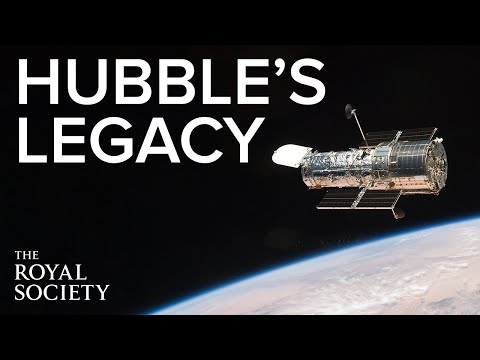
Did you know that when the Hubble Space Telescope first blasted off into space, it was supposed to have this perfect, crystal-clear view of the universe? But then, surprise! It had a major glitch. Picture this: scientists staring at blurry images like they were trying to look through a foggy window. Talk about a buzzkill!
Fast forward a bit, and Hubble’s made some of the most stunning cosmic discoveries. It’s been peeping into the depths of space for over three decades now. Honestly, it’s like that one friend who keeps pulling out epic vacation photos—it just won’t stop impressing you.
So, what’s the deal with this telescope? Why has it cost so much? Let’s take a little journey through its story; trust me, it’s worth it!
The Significance of the Hubble Space Telescope in Advancing Scientific Discoveries
The Hubble Space Telescope has been a game-changer for astronomy since it launched in 1990. Imagine sending a powerful telescope out into space, free from the distortion of Earth’s atmosphere. That’s like being able to see the world without foggy glasses!
The clarity and precision of Hubble’s images have allowed scientists to explore the universe in ways we never thought possible. It orbits Earth about every 95 minutes, capturing stunning pictures of galaxies, nebulae, and even distant planets. This means we can see galaxies that are billions of light-years away—like looking back in time!
One of Hubble’s biggest contributions is helping us understand the rate of expansion of the universe. Before it came along, measurements were kinda fuzzy. However, with its powerful instruments, scientists managed to measure distances to faraway galaxies more accurately. They discovered that not only is the universe expanding, but it seems to be accelerating due to something mysterious called dark energy.
Another cool thing? Hubble has played a crucial role in studying black holes. For instance, in 1994, observations from Hubble helped confirm the existence of a supermassive black hole at the center of our galaxy. Imagine peering into a cosmic void and finding out there’s something immense pulling everything around it—that’s intense!
Plus, Hubble’s stunning images have inspired people all over the globe. Think about “The Pillars of Creation,” one spectacular image showing gas and dust forming new stars. It stirs emotions and helps people connect with science on a personal level. You look at those images and can’t help but feel a part of something bigger than yourself.
However, let’s chat about cost—because yeah, launching this telescope wasn’t cheap! The total cost exceeded $10 billion over its lifetime. You might be wondering if it was worth it? Well, if you consider all the knowledge gained and public interest sparked by its discoveries… I’d say so! The investment has paid off many times over.
In summary, Hubble is more than just a telescope; it’s like having a giant eye gazing into our universe’s secrets. With each new discovery it makes—from revealing hidden star nurseries to shedding light on how galaxies evolve—it’s redefining our understanding of everything out there.
So next time someone mentions Hubble, think about all those mysteries it’s unveiled and how it’s shaped modern astronomy! The journey hasn’t been just costly; it’s been priceless for science.
Understanding the Cost of the Hubble Space Telescope: Investment in Scientific Discovery
The Hubble Space Telescope has been a real game changer for astronomy. Launched in 1990, this amazing tool orbits Earth, taking pictures and collecting data that help us understand the universe. But of course, all this doesn’t come cheap. Let’s break down the costs and what they’ve meant for scientific discovery.
First off, let’s talk money. The total cost for the Hubble program is estimated to be around $10 billion. Sounds like a lot, right? Well, it includes not only the initial big bucks spent on building and launching it but also operational costs over its lifetime. This means salaries for scientists and engineers maintaining it, plus all those costly instruments that help Hubble do its job.
Now, you’re probably wondering: is it worth it? Honestly, most experts say yes. Here’s why:
- Scientific Breakthroughs: Hubble’s data has led to major discoveries about black holes, galaxy formation, and even the rate at which the universe is expanding.
- Public Engagement: The stunning images Hubble captures are not just pretty pictures; they inspire millions! Remember that iconic shot of the Pillars of Creation? It sparked interest in space like nothing else.
- Catalyst for Collaboration: Researchers from all over the world come together to analyze Hubble’s findings. It’s like a big family reunion where everyone shares their cool new toys – or in this case, data!
You know what’s interesting? Each time NASA sends up a new instrument or conducts maintenance missions (like those shuttle trips), it’s an opportunity to make sure Hubble keeps pushing boundaries. Seriously! The upgrades have kept it relevant in a time when technology moves lightning fast.
But let’s not forget about potential alternatives. Some might argue that we could have relied on less expensive options like ground-based telescopes or newer space telescopes such as James Webb. Yet, while they can provide incredible data too, there’s something unique about Hubble’s niche—it observes ultraviolet light that some other telescopes can’t capture as effectively.
Think about this: investment in science, whether big or small, ultimately pays off through knowledge creation and technological advancements. I remember feeling awe-struck looking at a photo of distant galaxies taken by Hubble when I was younger; it made me realize how vast our universe really is.
In summary—while the cost of maintaining and operating the Hubble Space Telescope seems high at first glance, the returns in scientific knowledge and public interest are priceless. Every dollar spent has deepened our understanding of space while sparking curiosity across generations.
So yeah, investment matters! Whether it’s big missions like Hubble or smaller projects closer to home, every bit helps expand our view of both our planet and the cosmos beyond.
The Hubble Telescope’s Transformative Impact on Humanity and the Advancement of Scientific Knowledge
The Hubble Space Telescope has really changed the way we see the universe. It’s like having a super high-powered pair of binoculars that can look deep into space, you know? Launched in 1990, this amazing piece of technology has given us images and data that have reshaped our understanding of everything from stars to galaxies.
What makes Hubble so special? Well, it’s located outside Earth’s atmosphere. This means it can capture incredibly clear images without any interference from air pollution or weather. Imagine seeing the night sky without all those annoying clouds! Hubble’s vantage point allows it to gather light from distant cosmic objects, revealing details we’ve never seen before.
One of the most stunning things Hubble has done is help us understand the rate of expansion of the universe. Before its discoveries, scientists weren’t sure how fast galaxies were moving away from us. Hubble found that this rate isn’t constant, which led to the concept of dark energy—this mysterious force that seems to be pushing the universe apart faster and faster.
Another huge impact was when Hubble captured stunning images of distant galaxies and nebulae. You might remember those breathtaking photos; they look like something out of a sci-fi movie! These visuals not only inspire people but also help scientists study how stars are born and die. The iconic image of the Pillars of Creation, for instance, shows colossal clouds where new stars are forming—seriously beautiful stuff!
And there’s more! Hubble has uncovered new moons around Pluto, helped identify exoplanets (planets outside our solar system), and even provided insights into black holes. Every discovery feels like peeling back layers on a giant cosmic onion, revealing secrets about our universe.
The human side is pretty fascinating too. I remember reading about how a group of astronomers once looked at old data from Hubble and made a groundbreaking discovery about fast radio bursts—these mysterious waves coming from deep space. That just shows how sometimes it’s not just about new images; old ones can still have hidden gems waiting to be found.
Hubble hasn’t just influenced astronomy; it’s had ripple effects throughout science as well! The techniques developed for analyzing Hubble’s data have been applied in various fields—from medicine to climate science—showing just how interconnected knowledge really is.
Lastly, the emotional connection people feel toward space exploration is hard to underestimate. People often say they feel small when looking up at the night sky but at the same time connected to something larger than themselves. Hubble’s stunning images inspire curiosity and wonder across generations—it makes you think about your place in this vast expanse.
So yeah, it’s not just about science; it’s also about humanity’s quest to understand where we fit in all this chaos and beauty we call the universe!
You know, the Hubble Space Telescope has been like this super cool window into the universe since it launched way back in 1990. I still remember the first time I saw those stunning images of distant galaxies and nebulae. It felt like I was peeking through a cosmic keyhole, right? Just mind-boggling.
But here’s the thing: getting Hubble up there wasn’t exactly a walk in the park. The journey was expensive—like, really expensive. We’re talking billions of dollars. All that cash went into designing, building, and launching this magnificent piece of technology. It’s kind of crazy when you think about it; so much effort just to look at space!
Yet, this investment paid off big time. For instance, Hubble has helped us understand things like dark energy and how quickly our universe is expanding. Without it, we’d be way behind in grasping these huge concepts. So yeah, while you could say it was costly, the knowledge we gained is priceless.
But it’s not just about dollars and cents, right? There’s something pretty emotional about Hubble’s story too. I mean, imagine all those scientists working late nights in labs and observatories—pouring over data, daydreaming about distant worlds while battling technical issues that popped up every now and then. You can almost feel their excitement each time they got a new image back from space.
I think what really gets me is that Hubble connects us all to something larger than ourselves. It inspires people to look up at the stars and wonder what’s out there—like chasing dreams beyond our little planet! So even though it was a big financial commitment, it sparked curiosity across generations.
In the end, Hubble’s been more than just a telescope; it’s become a symbol of human ingenuity and our never-ending quest for knowledge—even if that quest costs a pretty penny! And honestly? That’s kinda beautiful in its own way.