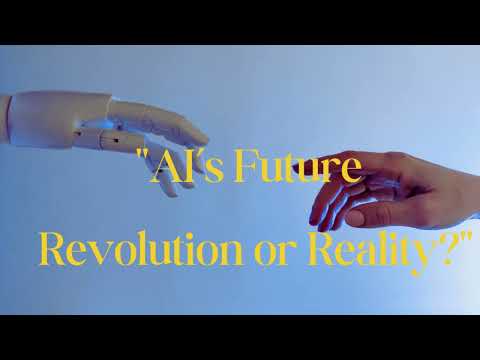
So, picture this: you’re sitting at a coffee shop, sipping your favorite latte, and the barista tells you that robots are now writing best-selling novels. You blink a couple of times, maybe even choke on that sip. I mean, come on! Robots?
Well, that’s just a taste of what’s happening with artificial intelligence (AI), machine learning (ML), and deep learning (DL). These techy buddies are shaking things up big time! They’re not just for cool sci-fi flicks anymore; they’re helping scientists solve real-world problems.
Imagine using AI to figure out new medications or tackle climate change. Sounds like magic, right? But it’s all grounded in some seriously smart algorithms and heaps of data.
In this chat about advancements in AI, ML, and DL for scientific innovation, we’re diving into how these technologies are changing the game. Whether you’re a science nerd or just curious about the future, stick around! You won’t want to miss this ride into techie wonderland where the possibilities seem endless!
Exploring the Impact of AI, Machine Learning, and Deep Learning on Data Science Advancements
Artificial Intelligence (AI), Machine Learning (ML), and Deep Learning (DL) are reshaping the landscape of data science in ways that are, honestly, pretty mind-blowing. If you think about it, these technologies aren’t just making things easier; they’re opening doors to new possibilities we couldn’t have imagined a couple of years ago.
So, what’s the deal with AI, ML, and DL? Well, AI is like the umbrella term. It involves computers doing tasks that typically require human intelligence—like understanding language or recognizing patterns. Now, ML is a subset of AI where machines learn from data without being explicitly programmed for each task. It’s like teaching a child to recognize animals by showing them pictures instead of giving them a rulebook.
Then there’s DL, which takes this up a notch. It’s a type of ML that uses neural networks to process vast amounts of data in complex ways. Imagine layers of neurons working together like your brain does! This makes it super powerful for tasks such as image recognition or natural language processing.
Now let’s talk about advancements and their impact on data science:
- Speed and Efficiency: With ML algorithms handling massive datasets faster than any human could, researchers can analyze trends in real-time. For example, AI can sift through thousands of medical images quickly, identifying patterns that might take hours for a radiologist.
- Data Insights: The ability to extract valuable insights from data has never been easier. Imagine trying to read every book in a library to find one phrase! Machine learning automates this process and finds correlations you might not even think to look for.
- Predictive Analysis: By training on historical data, these tools can predict future trends with impressive accuracy. Think forecasting weather patterns or predicting stock market trends based on past performance.
- Personalized Experiences: Ever wonder how Netflix knows what you’ll want to watch next? That’s AI at work—learning your preferences based on your viewing habits and tailoring suggestions just for you.
- Innovative Solutions: Researchers are using these technologies for groundbreaking innovations—like developing new medicines faster than ever before! In the pharmaceutical industry, AI helps identify potential drug candidates by analyzing biological data.
To put this all into perspective: remember how frustrating homework used to be? Trying to figure out math problems felt like trying to decipher an alien language sometimes. Now imagine having a super-smart tutor who not only knows all the answers but also understands how you learn best and helps make sense of everything effortlessly—that’s kinda what AI does in the realm of scientific research.
In short, the advancements brought by AI, ML, and DL are revolutionizing data science. They’re allowing us to tackle complex challenges more efficiently while uncovering insights that drive innovation across various fields—from healthcare and environmental science right down to social sciences. It’s exciting stuff; we’re really just scratching the surface here!
Exploring the Latest Advancements in AI: Transformative Innovations in Scientific Research
So, artificial intelligence, or AI, has been making some serious waves in the world of science lately. Seriously! The way researchers are using AI is pretty mind-blowing. It’s like having a super-smart assistant that can sift through data faster than you can say “machine learning.” And the cool part? It’s changing how scientists tackle problems.
At its core, AI helps by analyzing massive amounts of information, sometimes called big data. You know how when you look for something on Google, it brings up tons of options? Imagine that, but with scientific studies and research papers. Instead of getting lost in a sea of information, AI sorts through it and finds relevant studies to help with ongoing research.
One area where AI shines is in drug discovery. Researchers are using machine learning to predict how different compounds might interact with specific diseases. For instance, AI algorithms can analyze chemical properties and biological data to suggest potential new drugs much quicker than traditional methods allow. This is crucial in situations where time matters—like during a pandemic!
- Pattern Recognition: AI can recognize patterns in complex datasets that humans might overlook. Say scientists are studying genetic mutations; AI can help identify which mutations correlate with certain diseases more effectively.
- Predictive Modeling: With predictive models driven by deep learning (that’s a fancy term for advanced neural networks), scientists can forecast outcomes based on current data trends. This is great for climate modeling or predicting the spread of diseases.
- Personalization: In fields like genomics and personalized medicine, AI helps tailor treatments based on individual genetic profiles, allowing for more effective therapies tailored specifically to each patient.
An example that really stands out is IBM’s Watson. Remember Watson from “Jeopardy!”? Well, it’s not just about trivia! In healthcare, it analyzes huge volumes of medical literature and patient records to assist doctors in diagnosis and treatment planning. It’s like having a knowledgeable friend who can pull up any info you need right when you need it.
The environmental sciences aren’t left behind either! Scientists are utilizing AI to monitor wildlife populations using camera traps. These smart systems can detect animal movements and analyze behaviors—saving researchers countless hours spent manually sorting through footage!
You might be wondering about the ethics behind all this tech mumbo-jumbo—like privacy concerns and biases embedded within algorithms… Well, yeah! Those are real issues that folks are actively discussing as we push forward with using AI more widely in science.
So while advancements in AI bring incredible opportunities for revolutionary breakthroughs in scientific innovation, they also demand careful consideration about their implications.
The future looks pretty exciting with these transformative innovations driving scientific research forward so rapidly! It’s like being on an epic rollercoaster ride where every twist and turn reveals something new and groundbreaking.
Understanding the 30% Rule in AI: Implications for Scientific Research and Development
The 30% Rule in AI is a pretty interesting concept and it has some real implications for scientific research and development. Basically, this rule suggests that around 30% of the work done in an AI or machine learning (ML) project is about developing the algorithms themselves. The remaining 70%? Well, that’s all about data management, preparing datasets, and fine-tuning models to get the best results. It might seem a little lopsided at first, but it really makes sense when you look at how AI projects usually go.
When you think about it, most people imagine scientists sitting around coding up fancy algorithms like they’re in some high-tech lab. But here’s the kicker: no matter how genius an algorithm is, if you don’t have quality data to feed it, you’re basically just spinning your wheels. The thing is, bad data can lead to misleading outcomes. And nobody wants that! So yeah, focusing on those first steps can be critical.
Now let’s break down a few points about this:
- Data collection: Gathering data is one of the most crucial parts of any AI project. You need accurate and reliable information. For instance, if you’re developing a model to predict climate patterns but using outdated or biased data, the results could be way off.
- Data cleaning: It’s super important to clean up your datasets. This involves removing duplicates or errors and ensuring consistency. Think of it as tidying up before throwing a party – you want everything neat so guests (or your algorithms!) can find what they need.
- Feature engineering: This refers to selecting and transforming variables in your datasets into formats that algorithms can use effectively. Imagine trying to teach someone how to cook using only ingredients they’ve never seen before – it’s going to be tough!
- Model tuning: Adjusting hyperparameters can make or break an AI project too. Just like tuning a musical instrument for perfect sound, fine-tuning your model ensures it’s hitting the right notes with your predictions.
Now here’s where things get cool: recognizing this imbalance in work allows researchers and developers to prioritize better resources toward quality data management instead of just churning out new algorithms all the time.
In scientific research, applying this 30% Rule means researchers might spend more time collaborating with data scientists or investing in tools that enhance their dataset quality rather than just focusing on algorithm development alone. So instead of racing ahead with new models every week without solid backing data, teams can take a step back and evaluate their approaches more holistically.
Let’s not forget how important collaboration becomes in this context! If scientists from different fields come together—say biologists working with computer scientists—they can massively improve both their understanding of what’s needed and how best to structure their projects.
So overall? The 30% Rule isn’t just some dry guideline; it shows us where attention should be focused for greater impact in scientific innovation through AI advancements. Emphasizing quality over quantity means we could see groundbreaking discoveries sooner rather than later! That’s definitely worth celebrating!
You know, I’ve been thinking about how much AI, ML, and DL have crept into our lives. It’s like they’ve become the quiet sidekicks in the superhero movies of science. Just a few years back, the thought of machines analyzing complex data was more science fiction than reality. But now? Wow, it feels like we’re living in a real-life sci-fi flick!
Imagine sitting in a lab, surrounded by all these tools that used to just collect dust. Now with AI and machine learning (that’s ML for short), researchers can analyze data at lightning speed. Like that time when I watched a documentary on climate change; they used AI to sift through tons of environmental data. The findings were mind-blowing! It’s as if we’ve handed over the boring part—meaningless number-crunching—to machines that thrive on patterns and anomalies.
Deep learning (or DL) takes things even further. It’s almost like giving your algorithm a brain, where it learns and evolves by itself over time. Seriously wild stuff! For instance, in drug discovery, scientists are using deep learning to predict which compounds might work best against certain diseases before even hitting the lab bench. That means saving time, money and maybe even lives.
But here’s where it gets personal: I remember chatting with a friend who works in healthcare research. She told me about using AI to detect early signs of diseases from medical images—things the human eye might overlook. The excitement in her voice was contagious! She felt like she was standing at the edge of something transformative.
Of course, not everything is sunshine and roses here; there are challenges too. Ethical concerns pop up faster than you can say “algorithm.” We have to think about bias in data sets or how decisions made by AI can impact real lives.
And so it goes: advancements bringing forth both awe and responsibility. It’s kind of thrilling to think where this could all head next! Do you ever stop and wonder what other doors are waiting for us to unlock with these technologies? There’s definitely more to come; I can feel it in my bones!