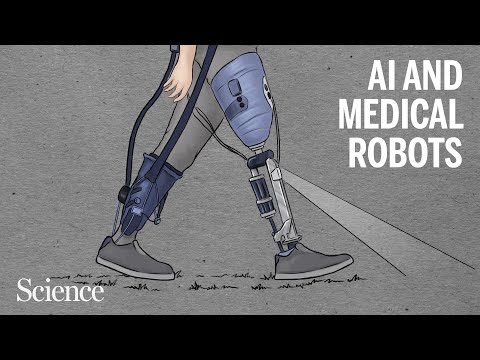
You know that feeling when you see a robot in a movie, like serving drinks or trying to take over the world? Well, it’s kinda wild to think that robots are making waves in healthcare too. Seriously!
Imagine getting surgery and the doctor is using a robot to help them out. Sounds like something from the future, right? But it’s happening now. We’ve come a long way since the days of just good ol’ fashioned human hands doing all the work.
Medical robotics is all about blending cutting-edge tech with healthcare. It’s cool stuff, really! These machines aren’t just for science fiction anymore; they’re helping doctors save lives in ways we never dreamed possible. So let’s chat about what’s going on in this fascinating world of medical robots!
Transforming Healthcare: The Impact of Advancements in Medical Robotics on Scientific Innovation
So, let’s talk about medical robotics and how they’re shaking things up in healthcare. If you think about it, robots are no longer just stuff of sci-fi movies. They’re becoming essential tools in hospitals and clinics around the world. Seriously!
First off, what’s the big deal with medical robotics? Well, these machines can perform tasks with precision way beyond human capabilities. Imagine a surgeon using a robot to perform complex procedures. The robots can make tiny incisions and operate with super-accurate movements that minimize damage to surrounding tissues. It’s like having a superpower for surgery!
And let’s not forget about robot-assisted surgeries. These are pretty cool because they often result in quicker recovery times for patients. For instance, with minimally invasive surgery, people can go home sooner and get back to their lives faster. That means less time on the hospital bed and more time enjoying life.
Now, you may be curious about how these advancements are made possible. The secret sauce, if you will? It’s all about cutting-edge technology. You’ve got artificial intelligence (AI), machine learning, and advanced imaging techniques working together to enhance surgical precision. AI helps the robot learn from countless previous surgeries, improving performance over time. So robots are literally getting smarter!
But that’s not all—these innovations have led to better patient outcomes. Studies have shown that robotic surgeries can lead to fewer complications compared to traditional methods. That translates into happier patients and cheaper healthcare costs in the long run.
Another exciting aspect is the training and education of future surgeons using robotic platforms. Young doctors get hands-on experience with simulated surgeries before they ever touch a real patient. Talk about a confidence boost! It also means they’re more prepared when they step into an operating room.
And let’s not forget rehabilitation robots! These little buddies help patients recover their movement after injuries or surgeries. For example, robotic exoskeletons can assist those who’ve suffered paralysis by helping them walk again; it’s like watching someone relearn how to dance after being away from the dance floor for ages.
However, there are challenges too—like cost and accessibility outside major cities or affluent areas; not everyone has access to these fancy robots yet.
So yeah, as we look toward the future of healthcare, it seems clear that medical robotics will continue transforming how we think about treatment options and patient care across the globe. It opens up possibilities we couldn’t even imagine before! And that is pretty dang exciting!
Transforming Healthcare: Key Advancements in Medical Robotics for Innovation in 2021
Transforming Healthcare with Medical Robotics
2021 was a big year for medical robotics. Seriously, you wouldn’t believe how fast things are moving in this field. So, let’s take a look at some of the key advancements that really made waves, shall we?
Robotic Surgery
One of the biggest changes is in robotic surgery. Surgeons can now use robots to perform delicate procedures with incredible precision. Think about it: robots help cut down on recovery time and reduce human error. They’re like superhero sidekicks! For example, the da Vinci Surgical System allows doctors to operate through tiny incisions, which means patients experience less pain and shorter hospital stays.
Telepresence Robots
Then there’s the rise of telepresence robots. With the pandemic pushing everyone towards remote solutions, these robots became essential. Imagine a doctor being able to visit multiple patients without ever leaving their office! These machines can roam around hospitals, allowing healthcare professionals to communicate with patients face-to-face—without actually being there. It’s like video calling but way cooler!
Rehabilitation Robotics
And don’t forget about rehabilitation robotics. These nifty gadgets are designed to help people recover movement after injuries or surgeries. You know those robotic exoskeletons you see in movies? Well, they’re real and are being used to assist with physical therapy! They support patients as they relearn how to walk or move their arms, offering not just physical support but also motivation.
AI Integration
Another breakthrough is in blending artificial intelligence (AI) with robotics. AI helps robots learn from data and improve over time. So, if a robot makes a mistake during surgery or rehab, it can analyze what went wrong and adjust itself for next time. It’s like having an ever-evolving team member who’s always learning!
Surgical Training Simulators
Also worth mentioning are surgical training simulators. These robotic systems give medical students and residents a chance to practice without any risk to real patients. They can simulate complex surgeries so that trainees get comfortable before they go into an actual operating room. Imagine doing practice rounds without fear of causing harm? That’s pretty amazing.
In a nutshell:
- Robotic surgery leads to less invasive procedures.
- Telepresence robots facilitate remote patient care.
- Rehabilitation robotics improve recovery experiences.
- AI integration enhances robotic capabilities.
- Surgical training simulators provide safe practice environments.
It’s wild how technology is shaping healthcare today! Whether it’s an exoskeleton helping someone regain motion or a robot assisting a surgeon halfway around the globe, these advancements show promise for better outcomes and healthier lives. Can’t wait to see what’s next!
Exploring Innovative Applications of Robots in Healthcare: Transforming Patient Care and Medical Practices
You know, when you think about robots, you might picture a sci-fi movie with shiny machines taking over the world. But in reality, they’re doing some pretty cool stuff in healthcare that’s actually making a difference for patients and doctors alike. Let’s break it down!
Robotic Surgery is one of the most talked-about innovations. These robots assist surgeons by providing enhanced precision during operations. Imagine a surgeon using robotic arms to make tiny movements that minimize damage to surrounding tissues. For instance, da Vinci Surgical System allows doctors to perform complex procedures like prostatectomies with smaller cuts, leading to quicker recoveries and less pain for patients.
Rehabilitation Robots are also changing the game. They help patients regain mobility after injuries or surgeries. Picture this: someone recovering from a stroke using a robotic exoskeleton that helps them walk again. It’s not just about movement; it’s about giving patients their independence back!
Then we have Telepresence Robots. These nifty devices allow doctors to interact with patients remotely. Maybe you’re stuck at home sick or in a remote area with limited access to medical facilities? A telepresence robot can roll into your room, camera and screen in tow, letting you chat with your doctor. This tech helps bridge the gap between patients and healthcare professionals, especially where distance is an issue.
Let’s not forget about Robotic Caregivers. As our population ages, these robots can assist elderly people with daily tasks—like reminding them to take meds or helping them get around the house safely. It’s more than just convenience; it adds an extra layer of support and safety for seniors living alone.
So yeah, as these technologies evolve, they bring serious advantages like
. Imagine being able to get expert care from across the globe without ever leaving your home! That opens up so many doors.
But there are challenges too—like training staff to work alongside these machines and ensuring there’s no tech failure during crucial moments. Still, it feels like we’re just scratching the surface on what medical robotics can do.
All in all, robots in healthcare aren’t here to replace humans but rather enhance what we can do as caregivers and healers. It’s fascinating how these advancements are creating new possibilities for patient care while reducing strain on healthcare systems! How exciting is that?
You know, when you think about robots, you might picture a shiny robot from a sci-fi movie, maybe something like R2-D2 rolling around doing everything for you. But, in the world of healthcare, the advancements in medical robotics are way more than just cool gadgets. Seriously.
I remember reading about this one hospital that introduced robotic surgery systems. One surgery was performed using this robot, which was way less invasive than traditional methods. It’s not just about precision; it’s also about helping patients recover faster and get back to their lives quicker. Imagine having surgery where the recovery time is cut in half! That’s sort of mind-blowing.
Robotic arms can assist surgeons with incredible accuracy, allowing them to perform intricate procedures that would be almost impossible with human hands alone. These robots can work in tight spaces and make tiny movements that really matter. So let’s say you’re going in for something like a gallbladder removal—no big deal if it’s done right! But when it comes to delicate tissues and organs, even a slight error can lead to complications. That’s where these robots come into play.
And let’s not forget telemedicine; it’s like the future is here now! With robotic systems, doctors can perform surgeries or consult with patients from miles away. Picture a surgeon working on someone while sitting comfortably in their office across the country—or even on another continent! It’s pretty wild how technology bridges those gaps.
But there are challenges too. You can’t just throw a robot at a problem and expect everything to be peachy keen. Costs can be through the roof, making some of these innovations accessible only to certain hospitals or clinics. Plus, there’s always that huge question of trust: would you really want a robot making decisions about your health? There’s still that need for human intuition—robots are great at precision but they don’t feel empathy or understand emotions.
Anyway, as this technology develops further, it’ll be interesting to see how we balance all those amazing possibilities with good old-fashioned human touch in healthcare. After all, at the end of the day, we gotta remember that behind every machine is someone who needs care—something no robot can truly replicate just yet! Isn’t it exciting to think about where we’ll go from here?