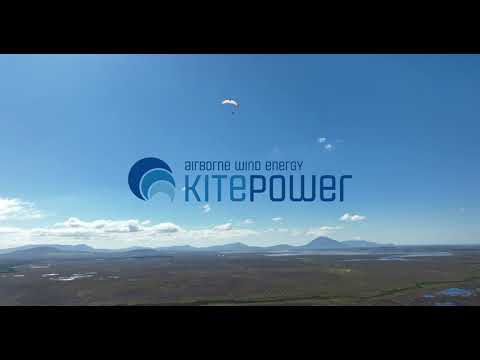
You know those days when the wind just seems to have a mind of its own? Like, one minute it’s a gentle breeze, and the next, it’s trying to whip your hat off? I remember this one time at the beach, my buddy nearly lost his sunglasses to a gust. It was hilarious!
Well, that same wind might be doing more than just messing up our hair. It turns out, people are getting super creative with how they use it. Airborne wind energy is kinda like taking kite flying to the next level—think massive kites that can actually generate power.
Yeah, it sounds wild. But there’s some real magic happening up in the skies. Innovations are popping up that could change how we think about energy completely. So buckle up; we’re about to soar into the world of airborne wind energy!
Exploring EnerKite GmbH: Innovations in Renewable Energy and Wind Power Technology
Exploring the realm of renewable energy is like a journey through an endless sky. One interesting player in this field is EnerKite GmbH, a company you’re probably curious about if you’re into wind power technology. They have some pretty cool innovations that aim to change the way we think about harnessing energy from the wind.
So, what’s the deal with EnerKite? Well, they’re focused on airborne wind energy. Unlike traditional wind turbines that sit on the ground, their approach takes advantage of high-altitude winds. The idea is simple yet brilliant: flying kites or drones that capture stronger and more consistent winds at altitude can generate electricity more efficiently.
Here’s how it works:
- Lift Generation: These systems use special kites or tethered drones that can climb high into the sky. The lift they generate allows them to capture energy from stronger winds.
- Energy Conversion: The kites are connected to a generator through a tether. As the kite flies and moves with the wind, it spins a turbine, converting kinetic energy into electricity.
- Flexibility: EnerKite’s systems can be deployed in various locations. They don’t need massive infrastructure like standard turbines, making them adaptable for remote or off-grid areas.
Now, you may wonder why this matters so much. Traditional wind farms require significant land use and can be quite expensive to set up and maintain. EnerKite’s airborne approach could potentially reduce costs and environmental impact while producing clean power.
Let me tell you about a little incident one of my friends had while hiking near a wind farm. She was amazed by how those giant turbines spun slowly against the sky but felt uneasy about how they disrupted nature around them. Noticing how far apart they were placed made her wonder if there might be better ways to harness that power without such disruption—like those airborne solutions.
But it’s not all sunshine and rainbows; there are challenges too!
- Weather Dependency: High-altitude winds can be unpredictable, which might affect consistency in energy production.
- Regulatory Hurdles: Navigating airspace regulations poses significant hurdles for deploying these airborne systems.
- Technological Development: While still evolving, ensuring reliability and efficiency requires ongoing research and testing.
EnerKite is pushing boundaries with their innovations, aiming to make renewable energy even more accessible and efficient. This method is part of a growing trend in renewable methods where companies like theirs are looking towards the skies for solutions to our energy demands.
In essence, exploring what EnerKite GmbH brings to the table shines a light on potential paths we could take toward cleaner energy futures. Whether you’re skeptical or excited about these developments, it’s clear that innovation in wind power technology still has many chapters left to write!
Advancements in Airborne Wind Energy: Innovations Transforming the Future of Renewable Energy in 2022
Airborne wind energy is like discovering a hidden treasure in the sky. It’s all about harnessing the wind at higher altitudes where it blows stronger and more consistently. Seriously, it’s a game-changer for renewable energy!
Innovations in this field have taken off in 2022. You see, traditional wind turbines are great, but they have their limitations, like being fixed to the ground and needing a lot of space. With airborne systems, especially those using kites or drones, we can tap into winds that are often way above our heads.
How does it work? Well, imagine a giant kite soaring high in the sky, pulling on a cable connected to a generator on the ground. When the kite flies against the wind, it creates tension that drives the generator to produce electricity. It’s kind of like flying a kite but with a purpose!
Some companies have been testing stuff like high-altitude balloons and kites. For instance, one company managed to generate power with just one kite while being super lightweight compared to traditional setups. Isn’t that cool? The less weight means you can transport these systems easily and set them up quickly.
Now let’s talk about efficiency! Because airborne systems can operate at altitudes of up to several kilometers—where winds are steadier—they potentially produce more energy than standard ground-based turbines could ever dream of. It’s all about optimizing those high-altitude winds!
But wait—there’s more! This technology isn’t just about generating power; it’s also about reducing costs and minimizing land use. Traditional wind farms need quite a bit of space; airborne systems can function effectively with much smaller footprints, which is pretty awesome for areas where land is expensive or limited.
And let’s not forget the environmental impact! By using advanced materials and smart designs, these innovations focus on reducing ecological disturbances while delivering clean energy.
With advancements like smart control systems managing flight paths based on real-time weather data, this tech is becoming even smarter! Aerial platforms will be able to adjust their altitude dynamically to optimize energy production.
So yeah—airborne wind energy is transforming how we think about renewable resources. With continued investment and creativity from scientists and engineers alike, this innovation holds massive potential for our future energy needs!
In summary:
- High-altitude access: Taps into stronger winds.
- Kite technology: Generates electricity through tension.
- Efficiency: Operates at heights conventional turbines can’t reach.
- Reduced costs: Smaller land footprint needed.
- Sustainable approach: Less environmental impact.
- Smart systems: Optimize performance based on weather conditions.
It’s exciting how airborne wind energy could reshape our future—it feels like we’re just starting to scratch the surface!
Exploring Sky Sail Wind Energy: Innovations and Impacts in Renewable Science
So, have you heard about sky sail wind energy? It’s pretty cool stuff! Basically, we’re looking at a new way to harvest wind energy by taking advantage of high-altitude winds. Regular wind turbines are awesome, but they’re usually limited to capturing winds below a certain height. That’s where sky sails come into play.
Imagine a giant kite flying way up in the air, tethered to a generator on the ground. That’s kind of how it works. These airborne systems can reach altitudes of around 1,500 feet or more! At these heights, the wind is generally stronger and more consistent than what we see down low. Pretty neat, huh?
Here’s what makes sky sail technology interesting:
- Efficiency: They can produce more energy because they utilize those robust high-altitude winds.
- Less land use: These systems require less ground space compared to traditional farms.
- Lower installation cost: Sky sails can be easier and cheaper to set up than regular turbines since they don’t need tall towers.
You know that feeling when you stand outside on a windy day? You can feel that power pushing against you. Well, those same forces can be harnessed for something bigger! However, it’s not just about being cool; there are some real impacts this tech could have.
First off, **reducing our carbon footprint** is huge right now. By harnessing cleaner sources of power like this, we get one step closer to reducing reliance on fossil fuels. Plus, with countries racing towards sustainability goals, innovations like sky sails can really help speed things up.
Now let’s chat about some challenges too—because nothing’s perfect! There’s still a bit of work needed regarding **reliable energy storage** and the technology itself has to prove it’s durable enough for those crazy high winds. Also, keeping track of how these systems interact with local wildlife is key; we don’t wanna disrupt any bird migrations or anything!
Oh! Speaking of birds… Have you ever seen an actual kite in action? I remember when my friends and I tried flying one at the beach once—it kept getting snagged in the sand dunes! If only our kites had been as smart as these new systems!
As we keep pushing forward with renewable technologies like sky sails and airborne wind energy solutions, it’s important to stay curious and open-minded about all the exciting possibilities out there. So who knows? Maybe in the near future you’ll see those elegant sky sails gliding above us contributing significantly to clean energy goals.
You know, when I think about wind energy, I can’t help but imagine those big, spinning turbines on land. But what if I told you there’s a whole other world of possibilities up in the skies? Yeah, I’m talking about airborne wind energy. It’s like this cool blend of science and creativity that’s been popping up more and more lately.
So, here’s the thing: while traditional wind turbines are great and all, they do have some limitations. They need to be placed in specific areas where the wind is strong enough. But with airborne wind energy, we’re looking at a different game entirely! These systems can harness high-altitude winds that aren’t accessible to those big turbines. Kind of smart if you ask me.
Imagine a kite or a drone that captures powerful gusts of wind way up there where it blows consistently. I mean, with technology advancing so quickly, these airborne systems are inspiring! One day, you could have one flying overhead while you’re chilling in your backyard. Imagine your backyard becoming a mini power station just by catching some breezy vibes!
A couple of years ago, I met this engineer who was working on developing one of these systems. He shared how they were testing prototypes that would go miles high into the sky—literally flying to capture energy from winds that are often ignored by traditional setups. Hearing him talk about it was so infectious; you could see the excitement in his eyes! It made me realize how innovative thinking can lead us to solutions we hadn’t even considered before.
But here’s where it gets tricky: harnessing and converting that energy efficiently is no small feat. There’s still a lot of research going on. We’re talking about everything from designing lightweight materials for the kites to figuring out how to get all that captured energy back down to us on the ground safely and efficiently.
It’s pretty mind-blowing when you realize this technology might not be too far away from becoming mainstream. And let’s face it—the planet could definitely use some fresh sources of clean energy right now! So yeah, with all these innovations popping up in airborne wind energy, it’s safe to say we might just be scratching the surface of what’s possible up in the skies.
In a world where climate change looms large over our heads (pun intended), thinking outside the box—or rather above it—could lead us towards a more sustainable future. It feels exciting and hopeful to know we’re constantly pushing boundaries! Each step towards harnessing airborne wind is like adding another brushstroke on this grand canvas we call our planet’s health.