So, there’s this thing about frogs, right? They can literally freeze solid and then come back to life when it warms up. I mean, how cool is that? This isn’t just some superhero fantasy; it’s reality for many amphibians.
These little creatures are like nature’s time machines, showing us how life has evolved over millions of years. Seriously, they’re a peek into the past! Imagine hopping from water to land and pulling off such a wild transformation.
When you look at the anatomy of amphibians, you can see the amazing tricks evolution played on them. Their bodies tell stories of adaptation and survival that are just mind-blowing. Like, have you ever thought about why their skin is so slimy? Well, stick around! There’s a lot more to uncover about these fascinating critters!
Exploring the Evolutionary Perspective of Amphibians: Insights into Their Origins and Adaptations in Science
So, let’s talk about amphibians! These creatures are super interesting because they give us a glimpse into how life on Earth has changed over millions of years. They’ve been around for quite some time now, evolving from their fishy ancestors to the frogs, toads, and salamanders we see today. Seriously, if you look at their anatomy, you can spot some cool features that show this evolution.
Amphibians are unique because they started life in water but then adapted to live on land. This dual lifestyle is a big part of their charm. But what’s most fascinating is how they evolved to make this transition. Think of it like learning to walk before you run!
First off, their skin plays a huge role in their survival. Unlike us, amphibians have moist skin that helps them absorb oxygen and stay hydrated. This adaptation is crucial since many species still need water for breeding. So basically, without the right kind of skin, they wouldn’t have made it far on land.
- Lungs: While tadpoles breathe through gills like fish do, as they grow up into adults, they develop lungs. This change allows them to inhale air while hopping around on dry land.
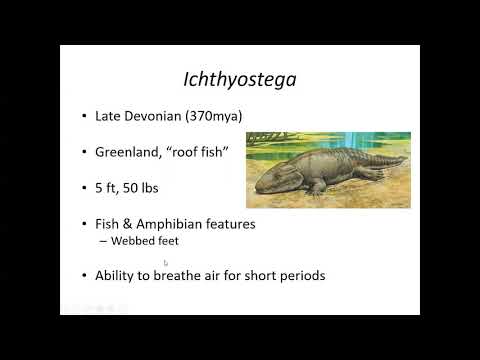
- Limbs: Another important feature is their limbs. When amphibians transitioned from water to land, their fins evolved into legs! This is a major milestone in evolutionary history because it marks the change from swimming to walking.
- Ears: Their ears are specially adapted too! Amphibians developed structures that help them hear sounds both underwater and above ground—pretty nifty if you ask me.
You might remember those high school biology lessons when we talked about tetrapods. That’s right! Amphibians belong to this larger group of four-limbed vertebrates which also includes reptiles and mammals. It’s like being part of a huge family tree where each branch represents different ways animals adapted over time.
A little story comes to mind: A couple years ago during a hike in the woods with friends, we stumbled upon a tiny frog hopping across our path. I remember being amazed by how something so small could be such a fantastic example of evolution in action. I mean, there it was—once swimming in water as a tadpole and now living its best life on solid ground! Nature really knows what it’s doing.
The variety among amphibians also tells us about their adaptations based on where they live. For instance, some live in deserts and have developed methods to keep moisture in while others thrive in rainforests with vibrant colors that help them camouflage or warn predators.
If you think about it—the evolutionary journey of amphibians isn’t just fascinating; it’s vital for understanding how life adapts through environmental changes over eons. Studying these creatures gives scientists insights not only into past ecosystems but also hints at future challenges as climate conditions shift today.
The thing is, exploring amphibian evolution isn’t just about looking back; it’s also about seeing the connections between all living things today—we all share that same ancient story somewhere down the line!
Understanding the Evolutionary Significance of Amphibians in Scientific Research
Well, let’s chat about amphibians for a sec. You know, those cool creatures like frogs, toads, and salamanders that can be found hopping around ponds and climbing trees? Seriously, when you think about it, they are pretty amazing. They’ve been around for millions of years, adapting to all sorts of environments. But what’s even more intriguing is their role in understanding evolution.
Amphibians are often called **“bioindicators,”** which is super interesting in the realm of scientific research. This basically means that they can tell us a lot about the health of an ecosystem. When something goes wrong in their environment—like pollution or climate change—amphibians can be some of the first to show signs of distress. This makes studying them crucial for understanding how ecosystems function and evolve.
Their **anatomy** offers a unique window into evolutionary biology too. Think about it: amphibians have both aquatic and terrestrial adaptations. For example, their skin is permeable, allowing them to absorb water and even oxygen through it! Pretty neat, huh? This dual existence gives scientists clues about the transition from life in water to land.
And here’s another thing—amphibians have fascinating **morphological traits** that change throughout their lives. Take frogs for instance; they start as tadpoles with tails and gills which later morph into adult frogs with limbs and lungs. This metamorphosis not only provides insights into developmental biology but also reflects evolutionary processes over time.
Here are some key points about why amphibians matter in research:
- Evolutionary History: Amphibians are among the first vertebrates to colonize land. By studying their biology, we can piece together how early life adapted to new environments.
- Genetic Studies: Their wide variety gives researchers the chance to explore genetic diversity and its implications for adaptation and survival.
- Environmental Change Indicators: As sensitive creatures, changes in amphibian populations signal shifts in environmental conditions that may affect other species too.
- Medicinal Research: Some amphibian skin secretions contain compounds that can lead to breakthroughs in medicine, such as antibiotics or painkillers.
I remember this one time when I went camping by a lake during summer break. One night I heard these sounds coming from the nearby woods—frogs croaking away like they were having some sort of nightly concert! It struck me how connected they are to their habitats; they rely on clean water and healthy ecosystems just like we do.
In summary, amphibians are not just interesting critters; they play a significant role in helping us understand evolutionary biology and environmental science better than we might think at first glance. Their unique traits offer insights into adaptation processes while serving as indicators of ecological health—a connection we really can’t overlook if we’re aiming for a sustainable future on this planet.
Exploring Evolutionary Adaptations of Amphibians: Insights from Biological Science
So, let’s chat about amphibians and their incredible evolutionary adaptations. These little guys, which include frogs, toads, and salamanders, have been around for hundreds of millions of years. Seriously! They’ve developed some pretty nifty tricks to survive in a variety of environments.
First off, amphibians are unique because they have a life cycle that includes both aquatic and terrestrial stages. You know how tadpoles live in water but then turn into frogs? That’s a classic example of adaptation. They start off with gills to breathe underwater and later develop lungs for life on land. This transition is a key part of their evolution, showcasing how they adapted to different habitats.
Let’s break down some specific adaptations:
- Skin: Amphibian skin is super special; it can absorb water and vital gases through it. Think about how slimy a frog feels—part of that slime helps protect them from drying out while also keeping them moist, which is crucial for breathing.
- Camouflage: Many amphibians can change color or have patterns that blend in with their environment. This isn’t just cool; it helps them avoid predators! Imagine a green tree frog hanging out on a leaf—hard to spot, right?
- Toxicity: Some frogs sport bright colors that scream “Stay away!” Well, that’s not just for show. Many of these colorful creatures produce toxins that deter predators. It’s like nature’s warning sign!
- Reproductive Strategies: Amphibians are quite creative when it comes to breeding. Some species lay eggs in water, while others may transport their young on their backs or even give birth to live young! This flexibility increases their chances of survival in different environments.
One memorable anecdote I can share involves an encounter I had with a poison dart frog during a trip to the rainforest. I was amazed by its vibrant blue color and tiny size but instantly remembered learning that its hue signifies danger! How wild is it that this little creature evolved such an effective defense mechanism?
Interestingly, the evolutionary journey of amphibians also reflects larger environmental changes over time. When the climate shifts or habitats change due to factors like deforestation or pollution, these animals often display remarkable resilience but sometimes struggle too.
You see, studying amphibians isn’t just about learning facts; it’s about relating these insights back to our own experiences with nature and understanding how interconnected everything is. The more we grasp these adaptations, the more we recognize how vital amphibians are as indicators of environmental health.
To wrap up this chat about amphibian evolutionary adaptations: Their ability to thrive across different landscapes shows us the beauty of evolution at work—the continuous dance between organisms and their environments over millions of years! Isn’t nature just amazing?
When you think about amphibians, like frogs and salamanders, it’s easy to focus on their cool jumping skills or the way they can change color. But, there’s so much more below the surface—literally! Their anatomy is a fascinating glimpse into how life has evolved over millions of years.
Let me share a little story. A while back, I was sitting by a pond on a warm summer evening, just enjoying the sounds of nature. Suddenly, I noticed a frog leaping from lily pad to lily pad, its skin glistening in the fading sunlight. It got me thinking about how these critters are like living time machines, showing us clues about our own evolutionary history.
So, why are amphibians such interesting creatures in evolutionary biology? Well, for starters, they’re one of the first groups to make that leap from water to land. This transition wasn’t just a casual stroll; it required some serious anatomical changes! Their skin is special—it’s not just for show. It needs to stay moist so they can breathe through it (yeah, you heard that right), which also means they’re super sensitive to environmental changes. Imagine wearing your lungs on your skin!
And then there are their limbs. If we look closely at how amphibians have evolved their legs over time—going from fin-like structures in ancient fish to strong limbs for hopping or climbing—it tells us volumes about adaptation and survival. The way these species adapt shows how life responds to challenges like finding food or avoiding predators.
Plus, let’s not forget their incredible ability to regenerate! Some species can grow back lost limbs or even parts of their hearts and eyes. I mean seriously, wouldn’t that be handy? It sparks thoughts about healing and regeneration in our own bodies too.
So yeah, amphibians are more than just cute little jumpers; they’re amazing examples of evolution in action. They remind us that every creature has its own story written through anatomy and adaptation over time. In observing them closely—as I did by that peaceful pond—you get this sense of connection with nature’s journey through history.
Next time you see a frog or a salamander hopping around aimlessly—or maybe looking pretty smug as it catches an unsuspecting fly—take a moment to appreciate the deeper lessons they’re sharing with us about resilience and evolution!