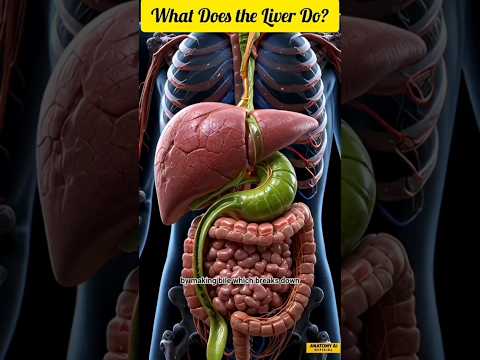
So, guess what? You know those cool twists and turns in your body that help you do everything from digesting pizza to staying balanced? Yeah, I’m talking about the ampullae! Sounds fancy, right? But hang on, it’s not just a science term; it’s actually super interesting.
Picture this: you’re munching on some crunchy chips and salsa. Ever thought about how your body can figure out when to make you feel full or how to balance your head while you’re bouncing to a beat? Well, ampullae play a huge part in that. They’re like tiny GPS devices in our ears and other places, helping us navigate the wild world we live in.
And honestly, isn’t it wild how something so small can have such a big impact on our daily lives? So, let’s take a closer look at these little guys. I promise you’ll come away with some fun facts to impress your friends with!
Understanding the Ampulla in Human Anatomy: Structure, Function, and Significance
Understanding the ampulla in human anatomy is pretty intriguing. The ampulla is a small, funnel-shaped structure found in various parts of the body. You might be surprised to learn how significant it actually is in our biology.
What is the ampulla?
Basically, it’s a term used to describe a certain type of dilated part of a duct or canal. Think of it like a little waiting room at the end of a long hallway. In human anatomy, you can find ampullae in different regions, each serving its own unique purpose.
Structure
Most notably, we see the ampulla in places like the inner ear and reproductive systems. For instance:
- Ampulla of Fallopian Tube: This is where fertilization typically occurs. It’s designed to catch the egg released from the ovaries and guide it along.
- Ampullae of Seminal Vesicles: Here’s where sperm mixes with seminal fluid before ejaculation, enhancing mobility and survival.
- Ampulla in the Inner Ear: This structure helps with balance by detecting changes in head position through fluid movement.
Each ampulla has its own specific shape that fits its function perfectly! Like, you wouldn’t expect an egg-catching structure to look like anything but what it is — smooth and spacious.
Function
Now, let’s talk about what these ampullae actually do:
- Transportation: They help transport substances within our body. For example, in the Fallopian tubes, it assists in moving that precious egg toward where it needs to go.
- Sensory Role: In terms of hearing and balance, those ampullae work with your inner ear structures to detect motion and gravity. Imagine swaying on a swing; your body knows how to keep you upright thanks to these little guys!
- Chemical Mixing: In reproduction, they mix fluids which are crucial for sperm functionality — making sure they can swim and reach that egg!
Isn’t it wild how something so small plays such a big role?
Significance
The significance of these structures can’t be overstated. They are involved in processes essential for survival and reproduction. Without functioning ampullae:
- Your balance would take quite a hit! Movement would feel off-kilter since your brain wouldn’t get accurate signals from your inner ear.
- The journey from ovulation to fertilization could be disrupted — which can lead to fertility issues.
- Sperm quality might suffer without those vital mixing processes happening smoothly.
To share something personal: I once had an ear infection that affected my balance for weeks! It reminded me just how much I rely on my inner ear structures — including those nifty ampullae—to keep me upright while moving around.
So there you have it! Those tiny structures called ampullae may seem simple but they’re packed with importance across various systems in our bodies. Knowing this makes you appreciate the intricate design we all carry around every day!
Understanding the Role of the Ampulla in Biological Systems: Functions and Significance
When you hear the word “ampulla,” you might not think much of it. But let me tell you, this little structure plays a pretty crucial role in various biological systems, especially in humans. It’s like that unsung hero we often overlook!
What exactly is an ampulla? Well, it’s basically a flask-shaped structure that appears in several parts of our body. Think of it as a specialized area where certain processes happen, and it’s often part of larger systems. For instance, in the human ear, there’s an ampulla at the base of each semicircular canal that helps maintain balance.
- In the Inner Ear: The ampullae are these swellings located in the semicircular canals. They contain sensory hair cells. These cells detect fluid motion caused by head movements and help keep your balance. You know that dizzy feeling when you spin around too fast? That’s partly due to the ampullae getting overloaded with fluid movement.
- In the Reproductive System: There are also ampullae associated with the fallopian tubes in females. The ampulla is where fertilization usually occurs! When an egg meets a sperm, it often happens right there in that flask-shaped part before moving on to develop into a baby.
- Ampulla of Vater: Now this one might sound fancy! Found in the digestive system, it’s where bile and pancreatic juices enter the small intestine. This is super important for digestion because those juices help break down food so your body can absorb all those nutrients.
But why should we care so much about something that sounds so simple? Because understanding these structures can give us insights into how our bodies function and how various systems work together.
It reminds me of when I was younger—my family went on this wild rollercoaster ride at an amusement park. I loved it, but after spinning around like a tornado, I felt totally off-balance! Turns out, my ampullae were going haywire trying to figure out which way was up!
The significance of ampullae goes beyond just being structures; they’re vital for maintaining homeostasis—basically keeping everything balanced and running smoothly inside us.
So yeah, whether it’s about hearing or helping bring new life into the world or even processing food — those little ampullae are more than just shapes; they’re fundamental players in our biological symphony! Understanding their roles not only helps us appreciate our complex anatomy but also shows how interconnected everything is within us.
Understanding the Location and Function of the Ampulla in Human Anatomy
The ampulla is a pretty interesting part of human anatomy, and it’s actually found in a few different places throughout our bodies. So, let’s break it down.
First off, the term “ampulla” itself means a little flask or bottle, which is kinda fitting because many ampullae (that’s the plural) are like small, bulbous structures. You find them in various systems, but let’s focus on two main spots: the **ear** and the **reproductive system**.
In your **inner ear**, there’s an ampulla located in each of your three semicircular canals. These are crucial for balance! Imagine trying to ride a bike—you need to keep your balance to stay upright. The ampullae in these canals help detect rotational movements of your head. They contain fluid and sensory cells that respond when you move. So when you tilt or spin your head, this fluid shifts around and stimulates those cells, sending signals to your brain about where you are in space.
Now let’s hop over to the **male reproductive system**. Here’s where we find another type of ampulla! Just before the ductus deferens (which carries sperm), there’s an expanded section called the ampulla. This part stores sperm and also mixes it with seminal fluid to form semen—pretty important if you think about it! When it comes time for ejaculation, muscles contract and push this mixture out.
And don’t forget about the female reproductive system—there’s even an ampulla in the **fallopian tubes**! The ampulla here is where fertilization often happens. If a sperm meets an egg anywhere along these tubes, chances are it’ll be in the ampulla section because it’s wider and more spacious.
Here are some key points about these places:
- Balance System: Ampullae help with detecting head movement.
- Sperm Storage: In males, they store sperm before ejaculation.
- Fertilization: The female’s ampulla is often where sperm meets egg.
So there you have it! The location and function of ampullae might vary across systems, but they all play significant roles that impact balance or reproduction—both super critical functions for us as humans! It kind of makes you appreciate how complex yet beautifully designed our body can be, doesn’t it?
You know how sometimes you come across these little details in biology that just blow your mind? Well, let’s chat about ampullae—yeah, those little bulbous structures that might not seem like a big deal at first glance.
So, the ampulla, in human anatomy, is often associated with the reproductive system and the inner ear. It’s like a small pocket that has some pretty important jobs. In the ear, for instance, the ampulla is part of the vestibular system which helps us keep our balance. Can you imagine trying to stand up without it? It’d be like trying to ride a bike with square wheels or something!
Now, think about this: every time you tilt your head or spin around in circles (fun times!), it’s your ampulla working hard to tell your brain what’s going on. It contains hair cells that sense motion and changes in position. So when you’re doing something silly at a party, like spinning around until you’re dizzy—those little structures are keeping track of all that movement!
And then there’s the ampulla of Vater in your digestive system. This one’s a bit less talked about but super crucial because it’s where bile and pancreatic juices mix before they hop into your intestines. Imagine all those nutrients getting ready for action as they slide down—thanks to this unsung hero!
Last week, I was reminiscing about my science class days when we did this fun experiment with balance. We stood on one leg and closed our eyes while our classmates tried to push us over gently. It was hilarious watching everyone wobble around! But that goofy exercise really drove home how much we rely on those ampullae every day! They’re like tiny balancing acts happening inside us all the time.
So next time you’re standing straight or enjoying a meal (or maybe spinning around at a party), give a little nod to those amazing ampullae doing their thing silently behind the scenes. It’s one of those things that just makes our bodies so incredible! Pretty cool stuff if you ask me!