You ever bumped your head and felt that sweet, solid thud right on your forehead? Ouch! It’s funny how we don’t think about our foreheads until they’re, you know, a little worse for wear.
But seriously, there’s a lot going on up there! Your forehead isn’t just a pretty face—it’s part of this incredible structure called the skull. And it does way more than just house your brows and hairline.
It’s like the unsung hero of human anatomy. Seriously, it helps protect your brain and plays a role in all kinds of stuff, from expressions to even breathing.
So let’s take a fun little journey through forehead anatomy! We’ll explore what makes it tick, why it’s shaped the way it is, and how this seemingly simple area contributes to our daily lives. Ready?
The Role of the Forehead in Human Anatomy: Understanding Its Functions and Importance
The forehead is a pretty interesting part of your face, right? You might not think about it much, but it actually plays some vital roles in how we communicate and interact with the world. Let’s break down what the forehead does, both from an anatomical sense and its importance in everyday life.
First off, the forehead is made up of the frontal bone, which is the bone that forms the front part of your skull. This area extends from just above your eyebrows to your hairline. The frontal bone isn’t just there for looks; it protects your brain from injury. Think about it—without that bony shield, a bump on the head could be way more serious!
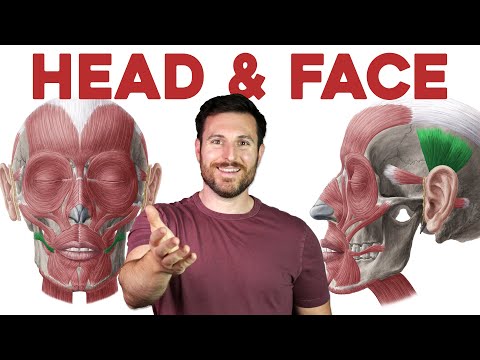
Then there are those muscles under your skin. You know those times when you raise your eyebrows in surprise? Yeah, that’s thanks to muscles like the frontalis muscle. This muscle helps you express emotions. And expressions are super important—imagine trying to understand someone if they couldn’t show their feelings on their face!
But wait, there’s more! The forehead also has a role in social interactions. Research suggests that we often read each other’s emotions through facial expressions, particularly around the eyes and forehead. When someone frowns or raises their brows, it can signal confusion or curiosity—and these signals help us navigate conversations and relationships.
Speaking of navigating conversations, did you know humans have a natural tendency to focus on each other’s foreheads during discussions? It’s true! That area helps us gauge attentiveness and engagement. When you see someone clearly showing interest with raised brows or focused expressions, you’re likely to feel more connected.
And let’s not forget about another cool feature: it’s also a place where a lot of our sensory information comes together. Our forehead houses sweat glands too! When you’re nervous or hot—like during that awkward first date—the sweat helps keep you cool… even if it’s kind of embarrassing sometimes!
So what’s my point here? The forehead might seem like just another part of our anatomy while we’re busy living our lives—like brushing our hair or putting on sunscreen—but it’s got some significant roles to play in our health and social interactions.
In summary:
- The frontal bone protects our brains.
- The muscles allow for important emotional expressions.
- Forehead movements help us communicate nonverbally.
- Sweat glands help regulate body temperature.
Now you see how crucial this relatively overlooked part of our anatomy actually is! Next time you look in the mirror or raise an eyebrow at something surprising, remember all those functions going on up there—it can be a little mind-blowing if you let yourself think about it!
Understanding the Frontal Region of the Forehead: A Scientific Exploration
The frontal region of the forehead is super interesting! It’s like the front line of our face. This area plays a key role in various functions, both structurally and socially.
First off, the forehead is part of the frontal bone, which makes up a significant chunk of our skull. So, what’s the deal with this bone? Well, it protects your brain and gives shape to your face. When you touch your forehead, you’re basically feeling this solid structure that holds everything together.
Now let’s talk about some essential features located in this area:
- Skin: The skin on your forehead is pretty sensitive and can show emotions easily. You know those frown lines? Yeah, they pop up here because our brows furrow when we’re stressed or confused.
- Muscles: You have several muscles that run across your forehead. One important muscle is called the frontalis. It helps you raise your eyebrows and makes those facial expressions we all recognize.
- Sweat Glands: Don’t forget about sweat glands! They come into play when you’re hot or nervous. Those tiny droplets you feel forming? Yep, they’re working hard to cool you down.
You know that feeling when someone raises their eyebrows in surprise? That’s all thanks to the muscles in the frontal region doing their thing.
Also, there’s a bunch of nerves running through this area. They help transmit signals from your brain to tell your muscles what to do and let you feel things like temperature or pain. Ever bumped your head and felt that sharp sting? That’s those nerves kicking into action!
And here’s something cool: scientists noticed that people often express emotions through their foreheads! For instance, take a moment to think about how we convey happiness versus sadness just by using our foreheads—a slight raise can signal joy while a frown shows distress.
So yeah, the frontal region isn’t just skin and bone; it’s where function meets emotion in such an intricate way. And as new research comes out on facial recognition and psychology, understanding how our foreheads work could shed light on human interactions even more!
The next time you look at someone’s face—or even check yourself out in the mirror—consider all that’s happening in that wide expanse of skin above their eyes. It’s not just a pretty canvas; it’s packed with significance!
Understanding the Forehead Region: A Scientific Exploration of Human Anatomy and Function
The forehead, you know, is more than just a blank canvas for your favorite headband or a target for those sweat beads during a workout. It’s an important part of our anatomy that offers insight into various functions and features of the human body. Let’s break it down!
First off, the forehead, or the frontal region, is made up of skin, muscle, and bone. The skin on your forehead is pretty flexible and contains important structures like hair follicles and sebaceous glands. These glands help keep your skin moist and healthy by producing oil.
Now, underneath that skin lies the frontal bone. This bone forms the front part of your skull and helps protect your brain. It also gives structure to your face. You can actually feel it if you touch just above your eyebrows — that solid bump?
Then there are muscles at work too! The frontalis muscle, for example, stretches across your forehead. It plays a key role in facial expressions. Ever raise your eyebrows in surprise? Yeah, that’s this muscle in action!
But there’s more than just muscles and bones at play here. The nerves under the skin are super important too. The supraorbital nerve, which branches from a larger nerve called the trigeminal nerve, travels through this region. This nerve helps with sensation in your forehead area, so when you touch it, it sends signals to your brain about what you’re feeling.
And don’t forget about blood vessels. They supply this region with essential nutrients and oxygen while helping regulate temperature too! If you’ve ever had a hot day out in the sun or after exercising hard, you’ll notice how warm your forehead gets — it’s all part of maintaining balance!
On top of all these functions, let’s talk about something else: our emotions are displayed right there on our foreheads! Think about it—when we’re focused or worried, we often furrow our brows without even realizing it. That communication happens thanks to an interplay between our brain’s emotional centers and those muscles up there.
So essentially, when you think about the forehead region, it’s clear there’s more going on than meets the eye—or should I say brow? You’ve got bones protecting vital parts of our anatomy while nerves give us sensitivity and muscles help express feelings all in one small area.
Wrapping this up: Next time you glance in the mirror or notice someone else’s forehead expression — remember just how functional this seemingly simple part really is! Whether it’s for protection or communication (or simply showing off those cute brow shapes), it’s doing its job quite well!
You know, when we think about our faces, it’s often the eyes or lips that grab attention. But have you ever really thought about your forehead? Seriously, it’s a bit of an unsung hero in the realm of facial features.
So, let’s dig into this a little. The forehead is made up of the frontal bone, which is right there at the front of your skull. It plays a crucial role in protecting your brain and giving shape to your face. Ever notice how some people have wider foreheads? That’s just genetics at work! But beyond its looks, it helps with muscle attachments for expressions. Yeah, those lines and furrows you see when someone raises an eyebrow or frowns? That’s all thanks to muscles like the frontalis.
Now this might sound a bit trivial, but foreheads actually have a big part in non-verbal communication too. Think back to that moment when you were really surprised or upset—what happens? Your brow furrows or lifts up! Those subtle movements can say so much without a single word being uttered. It’s kind of magical when you think about how much our body language conveys.
I remember once getting caught in a thunderstorm without an umbrella—classic me! I was trying to shield my face with my arms while running for cover. As I sprinted, I could feel my forehead furrowing deeply as I squinted against the rain and wind. In that moment, it hit me how essential that area is—not just for protection but for expressing confusion and determination!
And let’s not forget about sweat glands up there too. Ever notice how sweat drips off your forehead during hot days or after a workout? It’s like an automatic cooling system! That moisture is actually helping regulate your body temperature; pretty cool function if you ask me.
So yeah, the anatomy of our foreheads might seem simple at first glance, but they’re doing way more than meets the eye—it houses muscles for expression, protects vital parts of our brain, and even keeps us cool when things get heated. Who knew this everyday feature had such a crucial role in our biology? It’s just another reminder that every part of us has its purpose—even those areas we don’t always think twice about!