You know that feeling when your heart races? Maybe it’s your crush walking by or that rollercoaster you just conquered. Right? Well, turns out, there’s a whole lot more going on inside that little muscle than just excitement!
The heart is like this amazing, tireless drummer in the band of your body. It’s pumping away every single second, and honestly, it deserves some serious appreciation. Seriously, how does it keep going without coffee breaks?
Let’s take a closer look at its structure and function. You’ll see how this organ works hard to keep the rest of us running smoothly. So grab a comfy seat because we’re about to dive into some heart anatomy!
Comprehensive Guide to Heart Anatomy: Downloadable PDF Resource for Science Enthusiasts
Well, the heart! It’s one of those organs that we kind of take for granted until something goes wrong. You know, like when you’re watching a movie that’s super intense, and your heart just starts racing? That’s because it’s always working behind the scenes, keeping us alive and kicking!
Let’s break down heart anatomy in a way that makes sense without getting too bogged down by the science-y stuff.
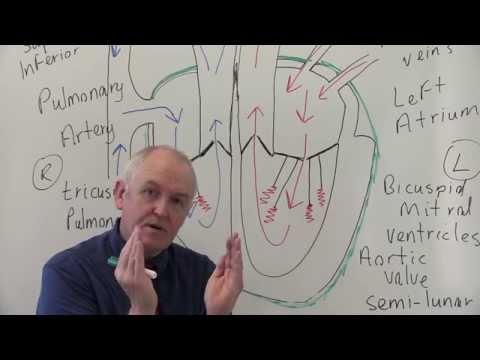
The heart is roughly the size of your fist and sits a bit to the left side of your chest. Can you feel it? That thump-thump is actually four chambers working hard. Here’s how they roll:
- Right Atrium: This is where deoxygenated blood (that’s blood without oxygen) enters from the body.
- Right Ventricle: It pushes that deoxygenated blood to the lungs to pick up oxygen.
- Left Atrium: After picking up oxygen in the lungs, blood flows back into this chamber.
- Left Ventricle: This chamber does all the heavy lifting, pumping oxygen-rich blood out to the rest of your body.
But wait, there’s more! Each of these chambers has valves—think of them as gates that help control blood flow. The valves make sure there’s no backflow; everything goes where it needs to go without mixing stuff up.
Now about those valves:
- The Tricuspid Valve: Between right atrium and right ventricle.
- The Pulmonary Valve: Between right ventricle and pulmonary artery leading to the lungs.
- The Mitral Valve: Between left atrium and left ventricle.
- The Aortic Valve: Between left ventricle and aorta (the big artery that carries oxygen-rich blood to your body).
So, here’s an interesting story: I once read about a marathon runner who felt unusually tired during a race. Turns out, they had a valve issue—a little hiccup in their otherwise superhero-like heart! They had it fixed and went on to beat their personal record. Crazy how important these structures are!
Blood vessels are another crucial aspect of this whole operation. The heart pumps blood through arteries (which take blood away from it) and veins (which bring blood back). You can think about arteries like highways—quick and straight for speedy delivery—while veins are more like local roads bringing things home.
In short, understanding heart anatomy isn’t just for medical pros; it’s super helpful for everyone! Whether you’re into fitness or just want to know why your heart races when you get excited or anxious, having some knowledge about how this amazing organ works can seriously enhance your appreciation for it.
And hey, if you ever find yourself wanting more detailed info—or maybe some diagrams—you might want to check out downloadable resources online. Just look for something legit because visuals really make things pop!
So yeah, there’s so much going on with our hearts—way more than most people realize!
Comprehensive Guide to Heart Anatomy and Physiology: Essential PDF Resource for Science Students
The heart is an incredibly complex and vital organ, isn’t it? It’s like the body’s very own pump, working non-stop to keep blood flowing and, well, life going.
Let’s break down the anatomy first. The heart has four main chambers:
- Right atrium – This chamber receives deoxygenated blood from the body.
- Right ventricle – This is where that blood gets pumped to the lungs for oxygenation.
- Left atrium – Here, oxygen-rich blood returns from the lungs.
- Left ventricle – It’s responsible for pumping that oxygen-loaded blood out to the rest of your body.
Now, these chambers are separated by valves, which act like gates. They keep the blood flowing in one direction and prevent backflow. Think of them as traffic controllers! The major valves include:
- Tricuspid valve
- Pulmonary valve
- Aortic valve
- Mitral valve
And did you know that the heart has its own electrical system? That’s what keeps it beating rhythmically—like a drum in a catchy song! Cells called pacemaker cells generate electric signals that trigger each heartbeat. This is pretty cool because it means your heart can keep beating even if it’s disconnected from your brain.
But let’s not forget about what happens during those beats. The cycle consists of two main phases: systole, when the heart contracts and pumps blood out, and diastole, when it relaxes and fills up with blood. Just like taking a deep breath in and then exhaling!
So how does all this function fit together? The heart is enveloped by a protective sac called the pericardium. It reduces friction while also keeping everything snugly packed in there as it moves around with each beat!
Returning to those essential functions—the heart works tirelessly to deliver nutrients and oxygen throughout your body while removing carbon dioxide and waste products. Imagine all that hard work every second of every day without you even thinking about it!
Here’s something interesting for you: Every time your heart beats, it’s pumping about 70 milliliters of blood into circulation—so if you’re at rest with about 70 beats per minute, that’s roughly 4,900 milliliters or nearly five liters every minute! That’s a lot of work for such a small organ.
And let’s not ignore its importance in overall health—it plays a huge role in conditions like hypertension or coronary artery disease. Keeping your heart healthy through good nutrition—like fruits and veggies—and regular exercise can make such a difference!
So there you have it! A little breakdown on this remarkable organ we often take for granted yet depends on so much! Remember to appreciate every beat; after all, it’s doing an incredible job just for you.
Understanding the Heart: An In-Depth Exploration of Structure and Function in Human Anatomy
So, let’s talk about your heart. That amazing little organ that’s basically the superhero of your body. It pumps blood, supplies oxygen, and is just all-around essential for life! But what makes it tick? Let’s dig into its structure and function.
The heart is a muscular organ located just behind and slightly to the left of your breastbone. It’s about the size of your fist, give or take. It has four main chambers: two atria on top and two ventricles on the bottom. Picture it like this: the atria are the waiting rooms, and the ventricles are like the delivery rooms—where all the action happens!
- Atria: These upper chambers receive blood coming back from the body and lungs. The right atrium gets blood low in oxygen from the body, while the left atrium receives oxygen-rich blood from the lungs.
- Ventricles: The stronger lower chambers then pump this blood out. The right ventricle sends deoxygenated blood to your lungs to pick up oxygen, while the left ventricle pushes oxygenated blood out to all those little capillaries throughout your body.
You might be wondering how it all works together? Well, there are these little things called valves that ensure blood flows in one direction only—kind of like a bouncer at a club making sure no one’s sneaking in or out where they’re not supposed to be! The main ones are:
- The tricuspid valve: between right atrium and right ventricle.
- The pulmonary valve: between right ventricle and pulmonary artery.
- The mitral valve: between left atrium and left ventricle.
- The aortic valve: between left ventricle and aorta.
This whole arrangement creates what we call a circulatory system. Blood flows in cycles: it comes into the heart through veins, pumped to lungs for oxygenation, then back to the heart before being blasted out into arteries that spread throughout your body. It’s like this never-ending rollercoaster ride!
If you think about it emotionally for a sec—like most people do—it’s pretty reassuring knowing there’s this tireless workhorse inside us keeping things running smoothly. So next time you’re feeling overwhelmed or maybe even jittery, just remember: your heart works 24/7 without complaining!
The heart also plays an exciting role in regulating our emotions and physical responses. Ever notice how your heartbeat speeds up when you’re scared or excited? That’s due to signals from our brain that tell our heart to pump faster during moments of stress or joy! So every heartbeat is kind of like a chapter in our emotional story.
You know what else? The health of this organ is super important—lifestyle choices can really impact its function over time. Things like diet, exercise, smoking habits—all these can affect how well your heart performs its job. So treating it with kindness is key!
In summary, Your heart isn’t just some pump; it’s intricately designed for efficiency, filled with chambers, valves, nerves—and all synchronized by electrical impulses helping keep everything moving seamlessly. Remembering this can help you appreciate how vital taking care of it really is!
Alright, so let’s chat about the heart, right? You know, that little muscle that keeps you alive and thumping? It’s more than just a romantic symbol—it’s a super complex organ doing some serious work.
First off, the heart is like a pump, but not just any pump. It’s got four chambers—two atria and two ventricles. Think of the atria as the rooms where blood hangs out before it heads to the dance floor (the ventricles). When blood comes back from your body all tired and needing oxygen, it enters the right atrium. Then, it moves down to the right ventricle, which sends it off to the lungs for a quick recharge. I remember learning this for the first time in school; I was completely blown away by how our bodies are wired to keep everything moving smoothly.
Once that oxygen-rich blood comes back from the lungs, it goes into the left atrium and then down into the left ventricle. And let me tell you—this is where things get really powerful! That left ventricle has pretty thick walls because it has to push blood all over your body. Seriously, it’s like an athlete lifting weights every single day!
But here’s something even cooler: there are these things called valves in your heart that make sure blood flows in one direction. Imagine trying to race down a slide with friends; if everyone spills all over each other and goes different ways, chaos ensues! Valves keep the blood flow organized so that doesn’t happen.
And can we talk about electrical signals for a minute? The heart has its own electrical system that tells it when to beat. There’s this special area called the sinoatrial node (or SA node) which acts like a conductor at an orchestra—just making sure everything hits at the right moment. It’s this harmony of science and rhythm that’s kind of poetic when you think about it.
Sometimes I think back to when my grandfather had his heart surgery—not something anyone wants to go through! But even then, seeing how doctors could fix something as intricate as this organ felt like magic. It really made me appreciate not just biology but also how far we’ve come in understanding our own bodies.
So yeah, while we take our hearts for granted sometimes (especially when they’re racing during a big game or calmed by some good music), they’re doing way more than we realize. They’re working tirelessly every second of every day without asking for anything in return—except maybe some veggies now and then! Just imagine what’s going on inside you right now… Pretty amazing stuff!